What Are Tim Ferriss's Key Principles for Lifestyle Design?
TL;DR
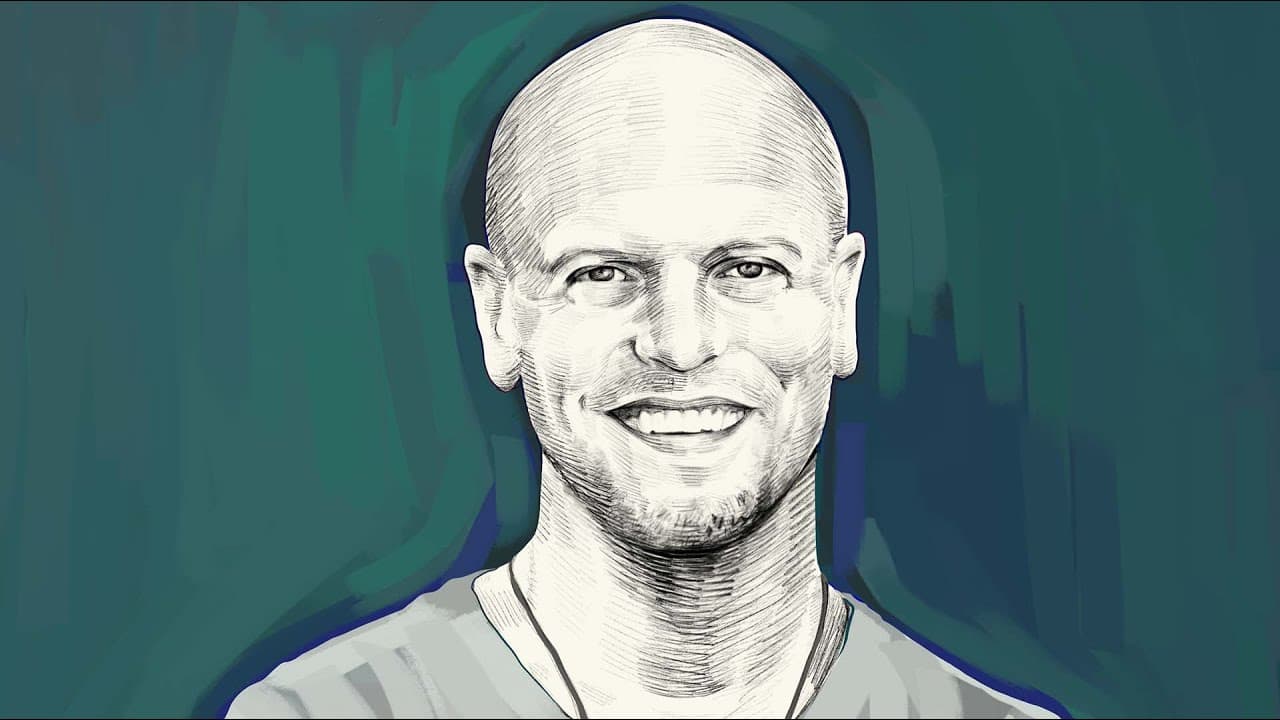
Tim Ferriss's key principles for lifestyle design include defining what you truly want, eliminating non-productive tasks, automating processes that can be outsourced, and achieving mobility in your work. He emphasizes focusing on productivity over busyness and leveraging unique skills to gain greater autonomy, ultimately leading to a more fulfilling life.
Transcript
this episode is brought to you by five bullet friday my very own email newsletter it's become one of the most popular email newsletters in the world with millions of subscribers and it's super super simple it does not clog up your inbox every friday i send out five bullet points super short of the coolest things i've found that week which sometimes... Read More
Key Insights
- 🥺 Investing in lifestyle design through principles like defining desires, eliminating non-productive tasks, automating processes, and achieving mobility can lead to more fulfillment and balance.
- 💦 Focusing on productivity over busyness is crucial to achieving a four-hour workweek or greater work-life balance.
- 💦 Leverage your unique skills and relationships to negotiate greater autonomy and flexibility in a traditional work environment.
- 💁 Managing expectations and boundaries with regards to technology and connectivity is essential for regaining control of one's time and reducing information overload.
- 💦 Prioritizing deep work, finding critical few tasks, and measuring results are effective methods for determining what tasks are important and what tasks are not.
Install to Summarize YouTube Videos and Get Transcripts
Explore YouTube Video Summarizer or Get YouTube Transcript Extractor
Questions & Answers
Q: How can you eliminate non-productive tasks without causing negative consequences in a traditional work environment?
When eliminating non-productive tasks, focus on filtering your clients or focusing on low-maintenance customers who fit your ideal profile. Communicate and set clear expectations with your employer and colleagues to manage workloads effectively.
Q: How can one determine what tasks are important and what tasks are not?
It is important to measure results and focus on quantifiable metrics to determine the importance of tasks. The 80/20 principle, which identifies the 20% of activities that produce 80% of desired results, can be a helpful guideline.
Q: How can one overcome the addiction to constant connectivity and information overload?
Tim Ferriss advises asking yourself three times a day if you are being productive or just busy. Avoid crutch activities and prioritize deep work over constant distractions. Setting boundaries and managing expectations with others is essential for regaining control of your time.
Q: How can one implement the principles of lifestyle design in a traditional work setting with limited flexibility?
Tim Ferriss suggests increasing your value to the company by developing unique skills and building relationships. Negotiate for greater autonomy and flexibility by demonstrating the positive impact it will have on your productivity and the company's success.
Summary & Key Takeaways
-
Tim Ferriss shares the story of his first presentation at the South by Southwest conference in 2007, which became a pivotal moment in his life.
-
He discusses the principles of lifestyle design, including defining one's desires, eliminating non-productive tasks, automating processes, and achieving mobility.
-
Ferriss emphasizes the importance of productivity over busyness and leveraging one's unique skills and leverage in the workplace.
Read in Other Languages (beta)
Share This Summary 📚
Summarize YouTube Videos and Get Video Transcripts with 1-Click
Try YouTube Summary with ChatGPT & Claude or YouTube Transcript Generator
Explore More Summaries from The Tim Ferriss Show 📚



Summarize YouTube Videos and Get Video Transcripts with 1-Click
Try YouTube Summary with ChatGPT & Claude or YouTube Transcript Generator