How Can Ultrasound Treat Alzheimer's and Addiction?
TL;DR
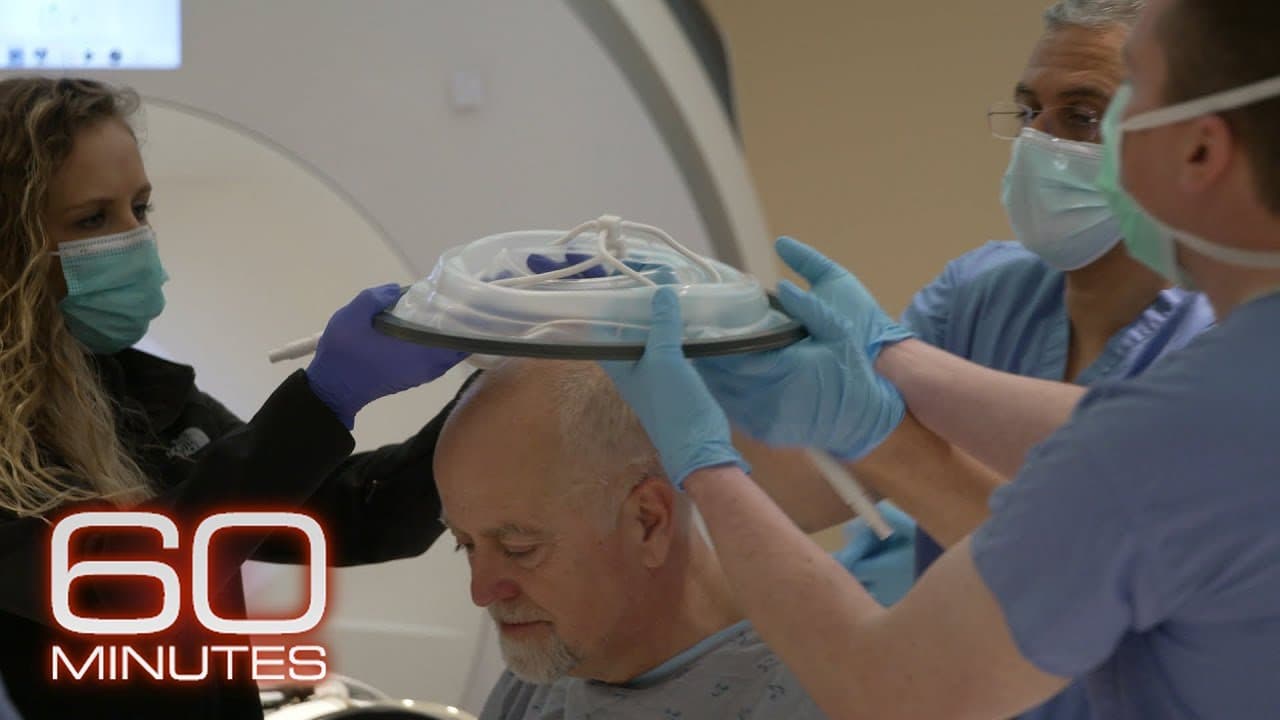
Ultrasound can effectively treat Alzheimer's by targeting beta amyloid plaques, reducing their buildup and cognitive decline, while also opening the blood-brain barrier for better medication delivery. For addiction, ultrasound modulates the brain's reward center, managing cravings and offering a fresh start for patients struggling with substance abuse.
Transcript
anyone who's had experience with Alzheimer's disease knows the agony of watching someone fade away as it steals memory and at the end a person's own identity tonight we'll show you an experimental way to try and beat back Alzheimer's it's been tested on just a handful of patients but it caught our attention because of the doctor involved Dr Ali ros... Read More
Key Insights
- 😒 Dr. Ali Rai's groundbreaking use of ultrasound in brain surgery offers a less invasive alternative to traditional methods.
- 🧠 Ultrasound can effectively target beta amyloid plaques in Alzheimer's patients' brains, potentially slowing down cognitive decline.
- 🤗 Opening the blood-brain barrier using ultrasound allows medications to reach targeted areas more effectively, increasing the efficiency of treatment.
- 🤞 Ultrasound therapy has shown promising results in reducing cravings and managing addiction, offering hope to those struggling with substance abuse.
- 🧠 Further research is needed to determine the long-term effects and potential for reversing brain damage caused by Alzheimer's disease.
- 😒 Dr. Rai's use of ultrasound therapy extends beyond Alzheimer's and addiction, with potential applications for other brain disorders such as post-traumatic stress disorder and obesity.
- 😷 While there are risks involved in pushing the boundaries of medical research, the potential benefits for patients with Alzheimer's and addiction make it worth pursuing.
Install to Summarize YouTube Videos and Get Transcripts
Explore YouTube Video Summarizer or Get YouTube Transcript Extractor
Questions & Answers
Q: How does ultrasound help slow down cognitive decline in Alzheimer's patients?
Ultrasound is used to open the blood-brain barrier, allowing medications to target and break up beta amyloid plaques, which are believed to disrupt communication between brain cells.
Q: What are the risks involved in using ultrasound for brain surgery?
While ultrasound is less invasive than traditional brain surgery, there are still risks such as bleeding and swelling in the brain if the blood-brain barrier is opened too much. Precise dosing and monitoring are crucial to ensure safety.
Q: Can ultrasound completely reverse the damage caused by Alzheimer's disease?
At this stage, it is unclear whether breaking up plaques with ultrasound can reverse the damage already done to the brain. Further studies are being conducted to investigate the potential for reversing or boosting brain function in Alzheimer's patients.
Q: How does ultrasound help manage cravings in addiction patients?
Ultrasound is used to modulate electrical and chemical activity in the reward center of the brain, reducing cravings and anxiety associated with drug addiction. It provides a fresh start for patients to engage in therapy effectively.
Summary & Key Takeaways
-
Dr. Ali Rai uses ultrasound to target beta amyloid plaques in the brains of Alzheimer's patients, reducing their accumulation and potential impact on brain function.
-
The ultrasound treatment opens the blood-brain barrier, allowing medications to effectively reach the targeted areas and break up the plaques.
-
Ultrasound is also used to reset and manage cravings in addiction patients by modulating the activity of the reward center in the brain.
Read in Other Languages (beta)
Share This Summary 📚
Summarize YouTube Videos and Get Video Transcripts with 1-Click
Try YouTube Summary with ChatGPT & Claude or YouTube Transcript Generator
Explore More Summaries from 60 Minutes 📚




Summarize YouTube Videos and Get Video Transcripts with 1-Click
Try YouTube Summary with ChatGPT & Claude or YouTube Transcript Generator