How U.S. prosecutors seize sanctioned Russian assets | 60 Minutes
TL;DR
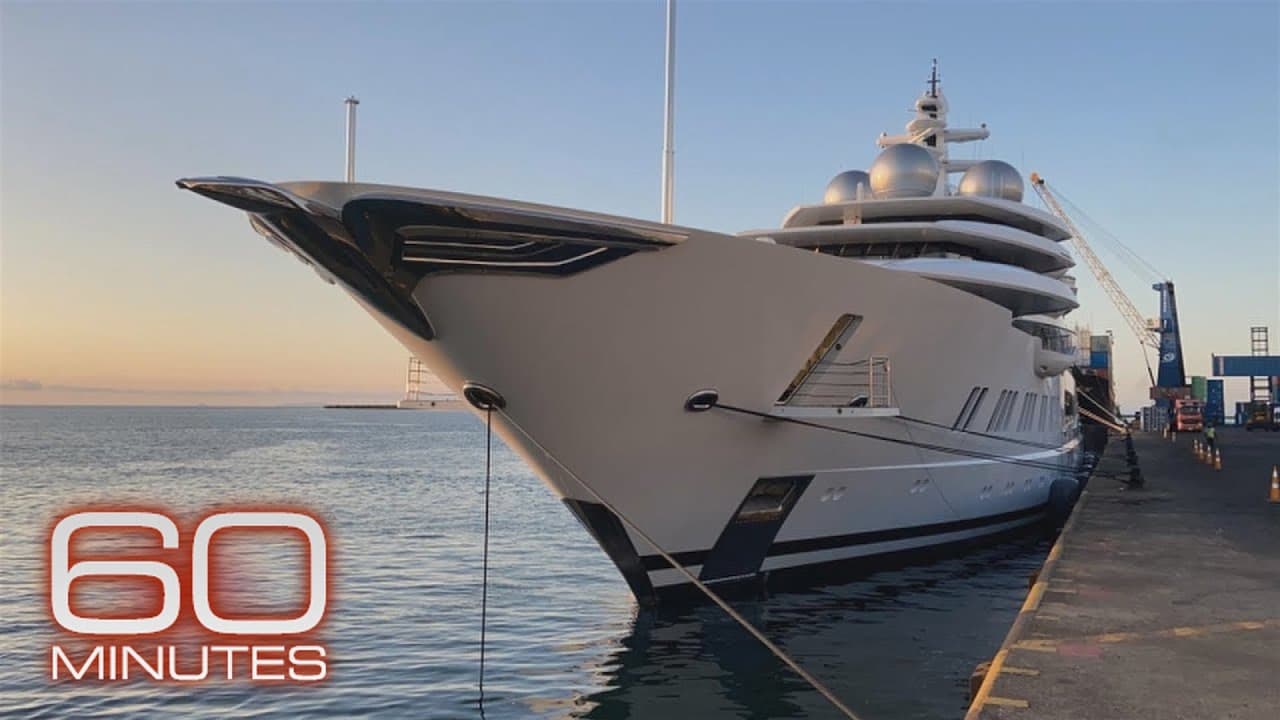
U.S. prosecutors seize sanctioned Russian assets by tracing hidden ownership networks, cooperating with foreign partners, and applying sanctions and export-control laws. The Justice Department sought a $300 million superyacht in Fiji and a $90 million yacht near Spain, while layered shell companies and anonymous trusts complicate investigations. Read on to see how investigators pursue yachts, bank accounts, aircraft, and those who help oligarchs evade sanctions.
Transcript
60 Minutes over time we've grounded planes in Switzerland and the Middle East we've arrested smugglers in Italy and Germany and Latvia and we've charged money launderers in the UK so basically what we've shown is there's no place to hide this week on 60 Minutes we report on the Great Lengths Russian oligarchs are going to in an effort to hide their... Read More
Key Insights
- 🙃 US prosecutors are working globally to uncover and seize hidden assets owned by Russian oligarchs who are under sanctions.
- 🐚 Complex ownership structures, such as shell companies and anonymous trusts, make it difficult to trace the true ownership of assets.
- 👋 Assets seized include yachts, bank accounts, luxury goods, and even private jets.
- 👮 US laws, including export control laws, are being used to prevent the export or transfer of US-made technology or goods to Russia, allowing for asset seizures.
- 💵 The work of the klepto capture unit serves as a warning to banks, aviation industry, and insurance companies to be cautious in dealing with individuals linked to money laundering or evading sanctions.
Install to Summarize YouTube Videos and Get Transcripts
Explore YouTube Video Summarizer or Get YouTube Transcript Extractor
Questions & Answers
Q: How do U.S. prosecutors seize assets connected to Russian oligarchs?
The Justice Department’s KleptoCapture task force investigates sanctions violations, exposes ownership networks, and works extensively with foreign partners. Prosecutors pursue assets such as yachts, bank accounts, private jets, and other luxury goods, using sanctions and export-control laws where applicable.
Q: What assets have U.S. prosecutors sought to seize from sanctioned Russian oligarchs?
The Justice Department requested the seizure of a $300 million superyacht in Fiji owned by Suleiman Kerimov and a $90 million yacht near Spain owned by Viktor Vekselberg. Both men were under U.S. sanctions, and authorities have also seized or frozen bank accounts owned by oligarchs and other sanctioned individuals.
Q: Why is it difficult to identify who owns oligarchs’ assets?
Ownership may pass through a company in one country that is owned by another company elsewhere, which may itself be owned by a third company in another jurisdiction. The absence of registries for some assets and professionals’ reluctance to report clients make real estate, yachts, jets, and investment funds harder to trace.
Q: How do trusts conceal the ownership of assets?
A trust is a private agreement in which an owner places an asset under someone else’s management. Because such agreements often do not need to be registered with a government authority, investigators may not know that the trust exists or who ultimately controls its assets.
Q: Why did prosecutors move to seize aircraft linked to Roman Abramovich?
Prosecutors moved to seize a $60 million Gulfstream jet and a $350 million Boeing aircraft registered through five shell companies and anonymous trusts linked to Roman Abramovich. Court documents said the American-made jets traveled to and from Russia after the invasion of Ukraine in violation of U.S. export-control laws, even though Abramovich himself had not been sanctioned by the United States.
Q: How do U.S. export-control laws support aircraft seizures?
The Commerce Department imposed prohibitions on exporting or transferring certain U.S.-made technology and goods to Russia, including U.S. aircraft parts. Prosecutors can seek seizure when American-made private jets are transferred to or travel to Russia in violation of those controls.
Q: Does the KleptoCapture task force pursue people and companies helping oligarchs evade sanctions?
Yes. The unit investigates not only oligarchs hiding assets but also those helping them evade sanctions, and Lisa Monaco identified banks, aviation businesses, and insurance companies as industries that should scrutinize whom they serve. She warned that aiding and abetting sanctions evasion would have consequences.
Q: What ownership-transparency problem remains in the United States?
Myra Martini said the United States had long been attractive to people seeking anonymity because companies could be created without disclosing their real owners. She said legislation had been adopted to require disclosure of those owners, but implementation was still awaited so asset and company ownership would become more transparent.
Summary & Key Takeaways
-
US prosecutors, led by Deputy Attorney General Lisa Monaco, are enforcing sanctions on Russian oligarchs and uncovering their hidden assets around the world.
-
Seized assets include yachts, bank accounts, and luxury goods, which are just the tip of the iceberg in terms of the illicitly gained wealth.
-
The complexity of ownership structures, including shell companies and anonymous trusts, makes it difficult to identify assets invested elsewhere.
Read in Other Languages (beta)
Share This Summary 📚
Summarize YouTube Videos and Get Video Transcripts with 1-Click
Try YouTube Summary with ChatGPT & Claude or YouTube Transcript Generator
Explore More Summaries from 60 Minutes 📚
Summarize YouTube Videos and Get Video Transcripts with 1-Click
Try YouTube Summary with ChatGPT & Claude or YouTube Transcript Generator