Why Did El Salvador and Honduras Fight Over Soccer?
TL;DR
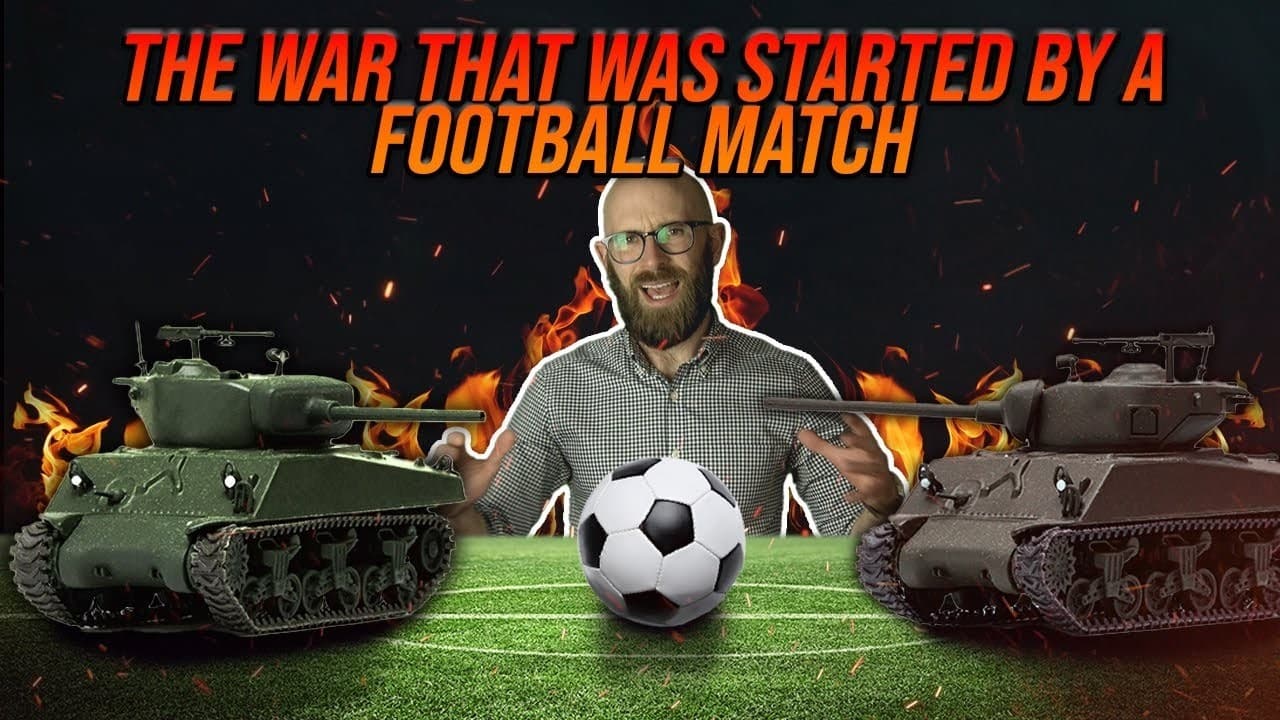
The 'Football War' between El Salvador and Honduras in 1969 was sparked by political tensions and immigration issues, with a series of soccer matches acting as a catalyst. The conflict resulted in a brief war, significant casualties, and long-term economic and social repercussions for both countries.
Transcript
Football is undoubtedly one of the most beloved sports around the world. And for American viewers who associate football with big shoulder pads and helmets, we actually mean soccer. Where the ball is, well, it's a ball. And the main medium with which it is played are the feet. For more on how soccer got that name, stick around for the bonus facts a... Read More
Key Insights
- The 'Football War' was a conflict between El Salvador and Honduras in 1969, triggered by political and social issues rather than just soccer.
- The war stemmed from immigration tensions, with many Salvadorans living in Honduras facing persecution and expulsion.
- Soccer matches between the two countries intensified existing tensions, culminating in military conflict.
- The war lasted only 100 hours but had severe consequences, including significant casualties and displacement.
- The Organization of American States intervened to broker a ceasefire, though peace was not fully restored until a decade later.
- The conflict severely impacted both countries' economies, halting trade and exacerbating poverty and overpopulation issues.
- El Salvador's victory in the soccer matches did not translate to success in the 1970 World Cup, where they lost all their matches.
- The term 'soccer' originated in Britain, initially used to distinguish association football from other football sports like rugby.
Install to Summarize YouTube Videos and Get Transcripts
Explore YouTube Video Summarizer or Get YouTube Transcript Extractor
Questions & Answers
Q: What caused the 'Football War' between El Salvador and Honduras?
The 'Football War' was primarily caused by political tensions and immigration issues between El Salvador and Honduras. A large population of Salvadorans living in Honduras faced persecution and expulsion, leading to heightened tensions. Soccer matches between the two countries acted as a catalyst, intensifying existing animosities and culminating in a brief military conflict.
Q: How did soccer matches contribute to the conflict between El Salvador and Honduras?
Soccer matches between El Salvador and Honduras in 1969 exacerbated existing political and social tensions. The matches were part of the 1970 World Cup qualifiers, and the intense rivalry and violence surrounding the games fueled nationalist sentiments and animosity, ultimately contributing to the outbreak of the 'Football War'.
Q: What were the consequences of the 'Football War' for El Salvador and Honduras?
The 'Football War' resulted in significant casualties, with hundreds of soldiers and civilians killed. It also led to the displacement of over 300,000 Salvadorans from Honduras, exacerbating economic and social issues in both countries. The conflict halted trade, worsened poverty, and contributed to long-term political instability in the region.
Q: How did the Organization of American States (OAS) intervene in the 'Football War'?
The Organization of American States (OAS) intervened in the 'Football War' by calling for an immediate ceasefire and urging El Salvador to withdraw its forces from Honduras. The OAS facilitated negotiations between the two countries, leading to a cessation of hostilities by July 20, 1969, although peace was not fully restored until much later.
Q: What was the outcome of the soccer matches between El Salvador and Honduras during the conflict?
El Salvador ultimately won the soccer matches against Honduras, securing their place in the next round of the 1970 World Cup qualifiers. However, their success on the field did not translate to the World Cup, where they lost all their matches without scoring a single goal. The matches intensified political tensions, contributing to the outbreak of war.
Q: How did the 'Football War' affect the economies of El Salvador and Honduras?
The 'Football War' had a detrimental impact on the economies of both El Salvador and Honduras. The conflict halted trade between the two countries, leading to economic stagnation and increased poverty. The displacement of Salvadorans further strained El Salvador's resources, while the destruction in Honduras exacerbated homelessness and economic instability.
Q: What role did immigration issues play in the 'Football War'?
Immigration issues were central to the 'Football War', with a large population of Salvadorans living in Honduras facing persecution and expulsion. The Honduran government's land reforms and anti-immigrant propaganda fueled resentment against Salvadoran immigrants, leading to tensions that were exacerbated by the soccer matches and ultimately contributed to the outbreak of war.
Q: Why is the conflict between El Salvador and Honduras called the 'Football War'?
The conflict between El Salvador and Honduras is called the 'Football War' because soccer matches between the two countries acted as a catalyst for the war. While the underlying issues were political and social, the intense rivalry and violence surrounding the soccer matches intensified existing tensions, leading to military conflict. The term highlights the role of sports in the broader political context.
Summary & Key Takeaways
-
The 'Football War' of 1969 between El Salvador and Honduras was a brief but intense conflict fueled by political and immigration issues, with soccer matches acting as a catalyst. The war resulted in significant casualties and long-term economic and social repercussions for both countries, highlighting the complex interplay between sports and politics.
-
El Salvador and Honduras were already experiencing strained relations due to immigration tensions when a series of soccer matches intensified the situation, leading to a brief military conflict. The Organization of American States intervened to broker a ceasefire, but the war left lasting damage on both nations' economies and societies.
-
Despite its brevity, the 'Football War' had far-reaching consequences, including the displacement of thousands of Salvadorans and the deterioration of economic conditions in both countries. The conflict underscored the deep-rooted issues beyond the soccer field, with sports serving as a flashpoint for broader political and social unrest.
Read in Other Languages (beta)
Share This Summary 📚
Summarize YouTube Videos and Get Video Transcripts with 1-Click
Try YouTube Summary with ChatGPT & Claude or YouTube Transcript Generator
Explore More Summaries from Today I Found Out 📚




Summarize YouTube Videos and Get Video Transcripts with 1-Click
Try YouTube Summary with ChatGPT & Claude or YouTube Transcript Generator