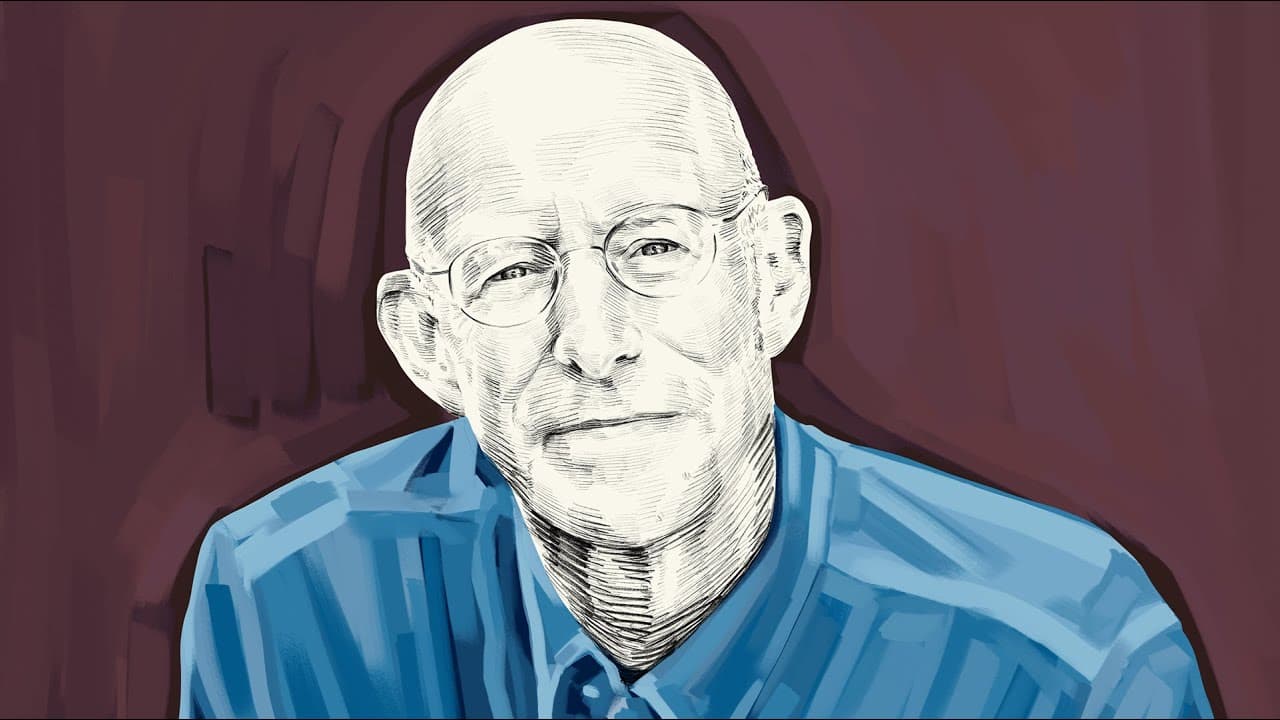
Michael Pollan — This Is Your Mind on Plants | The Tim Ferriss Show
TL;DR
Michael Pollan explains how human relationships with psychoactive plants are shaped by gardening, drug laws, culture, and emerging psychedelic research. Drawing on his experience growing opium poppies and his exploration of mescaline, he contrasts selective criminalization with growing interest in psychedelics’ therapeutic potential. Read on for his views on changing perceptions, mental health treatments, and what makes mescaline distinctive.
Transcript
this episode is brought to you by eight sleep my god am i in love with eight sleep good sleep is the ultimate game changer more than 30 percent of americans struggle with sleep and i'm a member of that sad group temperature is one of the main causes of poor sleep and heat has always been my nemesis i've suffered for decades tossing and turning thro... Read More
Key Insights
- 💗 The cultural conversation around psychedelics has shifted, driven by a growing dissatisfaction with traditional mental health treatments and successful research studies.
- 👮 The legal complexities surrounding drug laws and scheduling contribute to the selective criminalization of substances, regardless of their intrinsic properties.
- 🎁 Psychedelic experiences vary widely, with mescaline offering a unique experience centered on enhancing the present moment and sensory perception.
- 🔨 The perception of psychedelics has evolved from their portrayal as dangerous substances to potential tools for therapeutic purposes and personal growth.
Install to Summarize YouTube Videos and Get Transcripts
Explore YouTube Video Summarizer or Get YouTube Transcript Extractor
Questions & Answers
Q: What does Michael Pollan discuss in This Is Your Mind on Plants on The Tim Ferriss Show?
Pollan explores relationships between humans and psychoactive plants through gardening, opium poppies, psychedelics, and drug laws. He also discusses changing perceptions of psychedelics, their therapeutic potential, and mescaline’s emphasis on sensory experience and the present moment.
Q: How did gardening influence Michael Pollan’s work?
Pollan says gardening is the germ of all his work. His early love of gardening, passed down by his grandfather, led him to examine how humans interact with plants and find gratification in growing them.
Q: Why is Michael Pollan’s experience growing opium poppies significant?
His experience exposed the legal complexities surrounding opium poppies and drug laws. It prompted questions about drug scheduling, selective criminalization, and the drug war’s effects on public health.
Q: How has the cultural perception of psychedelics changed?
Psychedelics have increasingly shifted from being portrayed primarily as dangerous substances to being considered possible tools for therapy and personal growth. Interest from psychiatric professionals, mainstream media attention, and successful research studies have contributed to this change.
Q: Why is interest in psychedelic therapy growing?
Pollan connects the growing interest to dissatisfaction with traditional mental health treatments and promising research results. These developments have encouraged psychiatric professionals and the broader public to reconsider psychedelics’ therapeutic potential.
Q: What makes mescaline different from other psychedelics?
Pollan describes mescaline as enhancing the present moment and heightening sensory perception. Rather than transporting someone to an alternate dimension, it is presented as deepening appreciation of existing reality.
Q: What does Pollan’s discussion suggest about drug scheduling?
The discussion suggests that a substance’s legal treatment is not determined solely by its intrinsic properties. The selective criminalization of certain substances raises questions about the rationality and consistency of drug scheduling.
Q: Which Michael Pollan books are mentioned in the episode?
The introduction names This Is Your Mind on Plants as Pollan’s newest book. It also mentions How to Change Your Mind, Cooked, Food Rules, In Defense of Food, The Omnivore’s Dilemma, and The Botany of Desire among his eight books.
Summary & Key Takeaways
-
Pollan discusses his love for gardening and how it sparked his interest in exploring the relationship between humans and plants.
-
He shares the story of his involvement in growing opium poppies and the legal complexities surrounding drug laws.
-
Pollan delves into the evolving conversation around psychedelics, highlighting their therapeutic potential and the need for a shift in societal perception.
Read in Other Languages (beta)
Share This Summary 📚
Summarize YouTube Videos and Get Video Transcripts with 1-Click
Try YouTube Summary with ChatGPT & Claude or YouTube Transcript Generator
Explore More Summaries from The Tim Ferriss Show 📚



Summarize YouTube Videos and Get Video Transcripts with 1-Click
Try YouTube Summary with ChatGPT & Claude or YouTube Transcript Generator