Could Life on Earth Have Come From Space?
TL;DR
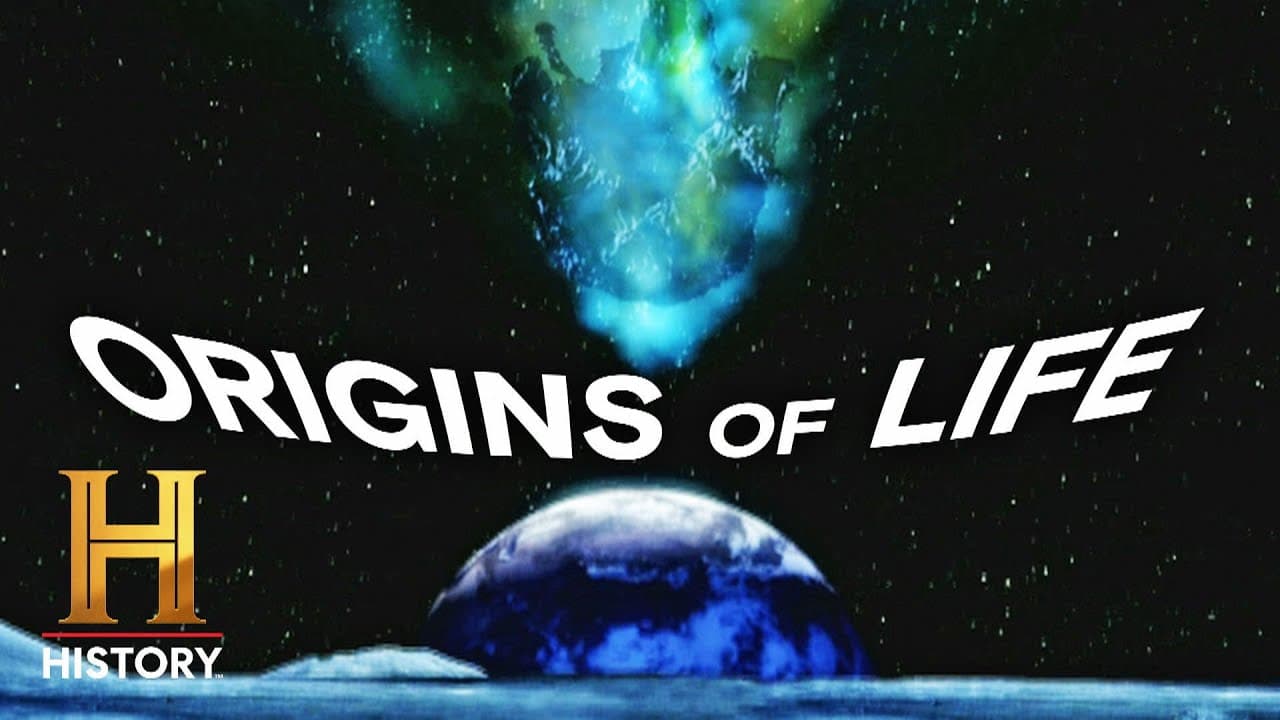
Life on Earth may have originated from material carried through space, according to panspermia, while directed panspermia proposes deliberate seeding by intelligent beings. The program connects these ideas with Martian meteorites, unusual ancient remains, astronaut-like imagery, and worldwide stories of heavenly beings, but presents extraterrestrial intervention as a controversial possibility rather than a demonstrated conclusion.
Transcript
1927, southeast Iraq. During advanced excavations at the ancient Mesopotamian city of Ur, British archaeologist Leonard Woolley discovers the remains of Queen Pu-Abi. According to reports, the queen is found with an unusually large skull similar to that possessed by some Egyptian pharaohs and mummies in Peru. For many ancient astronaut theorists, t... Read More
Key Insights
- Queen Pu-Abi's remains were discovered by Leonard Woolley at Ur in 1927, and reports described her skull as unusually large. Ancient astronaut theorists interpret this feature as possible evidence of Anunnaki ancestry or extraterrestrial-human interbreeding, while genetic analysis is presented as a potential test.
- Worldwide mythology contains recurring stories of powerful beings descending from the heavens. The program compares angels, Central American flying serpents, Anasazi star people, and Mesopotamian Anunnaki, proposing that their similarities could reflect shared experiences, repeated storytelling patterns, or one group interpreted by different cultures.
- The Nephilim are described in Genesis as offspring produced when the sons of the gods met the daughters of men. Contributors connect this account with the Anunnaki tradition and claim that the resulting beings possessed unusual stature, supernatural knowledge, or both.
- Divine-human offspring appear in several traditions discussed by the program. Greek mythology says Zeus fathered Hercules and Perseus with earthly women, while the book of Enoch describes watchers who fell from heaven and procreated with humans, paralleling claims about Anunnaki interbreeding.
- Directed panspermia is presented as Francis Crick's proposal that an advanced civilization might deliberately preserve or distribute life beyond its endangered planet. The program extends that possibility by asking whether humanity could descend from beings or biological material that arrived from another world.
- Astronaut-like ancient imagery is interpreted through the practical requirements of space travel. Contributors argue that visitors unable to breathe Earth's atmosphere would need protective clothing, just as Alexei Leonov required a suit during his 12-minute, 8-second spacewalk on March 18, 1965.
- Panspermia is the theory that life originated in one location and then spread to other places. The program notes that space contains molecules described as life's building blocks and suggests that impacts could move life-bearing rocks between planets, including from Mars to Earth.
- Ancient Mesopotamian sites preserve evidence about a region described as the cradle of civilization. The March 6, 2015 destruction of Nimrud by Islamic State militants eliminated statues, reliefs, and archaeological context, potentially removing irreplaceable information about humanity's historical past.
Install to Summarize YouTube Videos and Get Transcripts
Explore YouTube Video Summarizer or Get YouTube Transcript Extractor
Questions & Answers
Q: What is panspermia and how could it explain life on Earth?
Panspermia is the theory that life formed in one location and later spread to other places through space. The program says molecules described as the building blocks of life exist between stars and could reach planets. It offers a specific possibility in which life developed on Mars, traveled to Earth inside impact-ejected rocks, and then began reproducing here.
Q: What is directed panspermia according to the program?
Directed panspermia is presented as an idea supported by geneticist Francis Crick during the 1960s. It proposes that an advanced civilization facing the destruction or sterilization of its planet might intentionally preserve life by sending organisms or colonists across interstellar space. The program uses this concept to ask whether Earth's life, including humanity, could have extraterrestrial ancestry.
Q: Why is Queen Pu-Abi connected to ancient alien theories?
Queen Pu-Abi is connected to ancient alien theories because reports about her remains, discovered at Ur in 1927, described an unusually large skull. Contributors compare that feature with cone-shaped skulls attributed to the Anunnaki and speculate that she might have been an Anunnaki or a hybrid. They argue that her First Dynasty status places her close to the supposed Anunnaki period.
Q: How does the program connect the Anunnaki with the Nephilim?
The program treats the Anunnaki and Nephilim as related traditions from two cultures. It describes the Anunnaki as a group of gods said to have created primordial humans for enslavement, while the Nephilim are presented as offspring created when heavenly beings intermingled with humans. Contributors also associate the Nephilim with giant stature and extraordinary knowledge shared with humanity.
Q: Why are similar legends of sky beings found across cultures important?
Similar legends are important to the program's argument because angels, flying serpents, star people, Anunnaki, and other powerful beings are repeatedly described as coming from above. Contributors ask whether different cultures encountered separate extraterrestrial races or interpreted one group differently. The recurring pattern is presented as suggestive, although the program frames extraterrestrial contact as a question rather than an established fact.
Q: Why does the program compare ancient carvings with spacesuits?
The program compares ancient carvings with spacesuits because some depicted figures appear, to its contributors, to wear protective equipment resembling modern astronaut clothing. The argument is that extraterrestrial visitors might not have been able to breathe Earth's atmosphere and therefore could have required suits. Alexei Leonov's 1965 spacewalk is used to illustrate why humans need atmospheric pressure and oxygen protection in space.
Q: Could life have traveled from Mars to Earth?
The program says life could potentially have traveled from Mars to Earth inside rocks expelled by asteroid or comet impacts. It describes early Mars as warm and wet roughly 3.6 billion years ago and therefore a possible location where life developed first. Martian rocks regularly reach Earth, and contributors state that such rocks could carry microorganisms between the two planets.
Q: Why does the destruction of Nimrud matter to understanding human origins?
The destruction of Nimrud matters because the ancient Assyrian capital contained monumental statues, human-headed winged lions, relief carvings, and depictions of Mesopotamian gods. On March 6, 2015, Islamic State militants destroyed relics and leveled the site with explosives. The program argues that eliminating such archaeological evidence cuts humanity off from records that could illuminate civilization's history and ancestry.
Summary & Key Takeaways
-
The program links Queen Pu-Abi's unusually large skull with ancient astronaut claims about the Anunnaki. Contributors speculate that she could have been an extraterrestrial-human hybrid and suggest genetic analysis might clarify her ancestry. They also connect Mesopotamian traditions with worldwide legends of gods, angels, star people, and flying serpents.
-
Ancient accounts of divine-human offspring are compared across cultures. Genesis describes the Nephilim as offspring of the sons of the gods and daughters of men, while Greek mythology attributes hybrid sons to Zeus. The book of Enoch similarly describes watchers who descended from heaven and reproduced with humans.
-
The discussion moves from mythology to panspermia, the theory that life formed in one place and spread elsewhere. Mars is presented as a possible early source because rocks travel from Mars to Earth. The program concludes by warning that the destruction of ancient Mesopotamian sites erases irreplaceable evidence about humanity's past.
Read in Other Languages (beta)
Share This Summary 📚
Summarize YouTube Videos and Get Video Transcripts with 1-Click
Try YouTube Summary with ChatGPT & Claude or YouTube Transcript Generator
Explore More Summaries from HISTORY 📚



Summarize YouTube Videos and Get Video Transcripts with 1-Click
Try YouTube Summary with ChatGPT & Claude or YouTube Transcript Generator