How Is Indigo Dye Made and Used for Jeans?
TL;DR
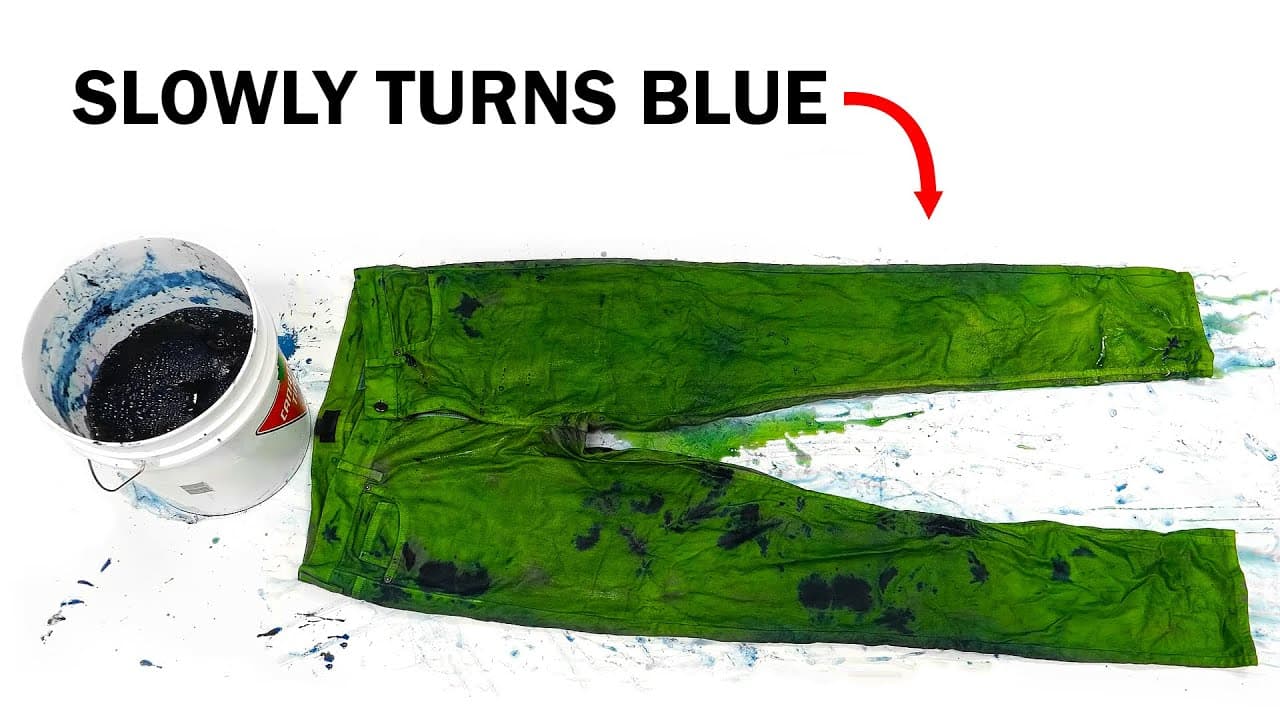
Indigo dye is traditionally derived from plants but is now mostly synthesized using the Baeyer-Drewsen method from 2-nitrobenzaldehyde and acetone. The process of vat dyeing involves reducing indigo to a soluble form before oxidizing it back to the blue insoluble state, allowing it to effectively color fabrics like jeans.
Transcript
This video has been graciously sponsored by Dollar Shave Club. If you want to improve your shaving routine and support my channel at the same time you should pick up their amazing starter kit for just 5 dollars by going to dollarshaveclub.com/nilered Indigo's one of the oldest dyes used for textiles and it's been around for thousands of years. For ... Read More
Key Insights
- 🌱 Indigo dye was traditionally derived from plant sources, making it rare and expensive.
- 🇨🇷 The synthesis of indigo dye through the Baeyer-Drewsen method made it more accessible and cost-effective.
- 💪 Vat dyeing is a technique used for even coloring with indigo dye, and multiple dyeing cycles can create stronger colors.
- ❓ Tie-dye techniques, like shibori, can be used to create intricate and unique patterns with indigo dye.
- 😑 Commercially-produced indigo-dyed clothing is often dyed with pre-dyed fibers to achieve stronger and more vibrant colors.
- 😑 Indigo dye can be purchased pre-made or synthesized at home for DIY projects.
- 🔪 Dollar Shave Club is a sponsor of the video, offering affordable shaving products and kits.
Install to Summarize YouTube Videos and Get Transcripts
Explore YouTube Video Summarizer or Get YouTube Transcript Extractor
Questions & Answers
Q: Why was indigo dye historically derived from plant sources?
Indigo was rare and expensive when derived from plants, making it a luxury dye reserved for high-end products.
Q: Who was responsible for first synthesizing indigo dye?
German chemist Adolf Von Baeyer is credited with the first synthesis of indigo dye in 1878.
Q: How is indigo dye synthesized using the Baeyer-Drewsen method?
The Baeyer-Drewsen Indigo Synthesis involves combining 2-nitrobenzaldehyde with acetone in the presence of sodium hydroxide to form indigo dye.
Q: What is vat dyeing and how is it used with indigo dye?
Vat dyeing involves soaking fabric in a soluble reduced form of the dye, which is then oxidized to the insoluble, blue form. This process allows for even coloring and can be repeated to achieve stronger colors.
Summary & Key Takeaways
-
Indigo dye has been used for thousands of years, initially derived from plants but now mostly synthesized in labs.
-
The Baeyer-Drewsen Indigo Synthesis is a common method used to synthesize indigo dye from 2-nitrobenzaldehyde and acetone.
-
Vat dyeing is a technique used to dye fabric with indigo, by first reducing indigo to a soluble form and then oxidizing it back to the insoluble, blue form.
Read in Other Languages (beta)
Share This Summary 📚
Summarize YouTube Videos and Get Video Transcripts with 1-Click
Try YouTube Summary with ChatGPT & Claude or YouTube Transcript Generator
Explore More Summaries from NileRed 📚
Summarize YouTube Videos and Get Video Transcripts with 1-Click
Try YouTube Summary with ChatGPT & Claude or YouTube Transcript Generator