How Long Does SEO Take to Index New Web Pages?
TL;DR
SEO indexing for new web pages can take anywhere from a few hours to several weeks, mainly depending on server performance and content quality. To speed up indexing, ensure prominent internal linking, use sitemaps, and maintain a high-quality website overall. Google does not guarantee indexing for every page, especially if it contains duplicate or irrelevant content.
Transcript
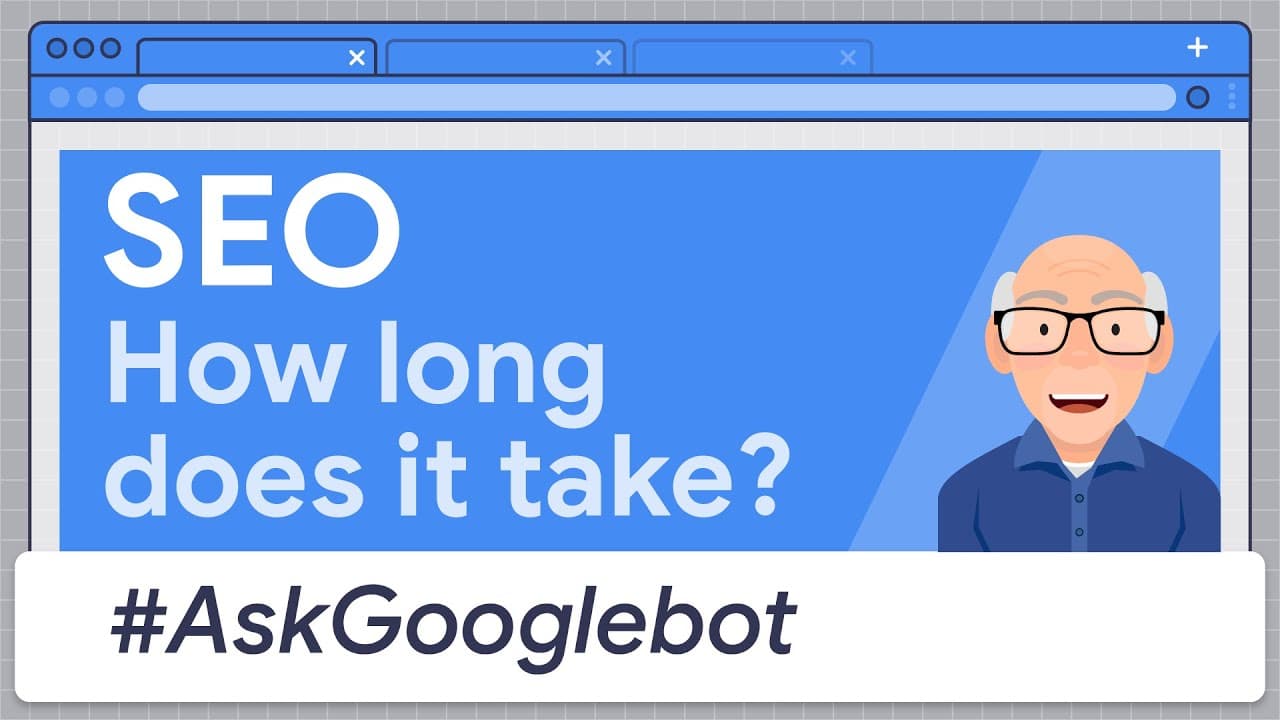
[MUSIC PLAYING] JOHN MUELLER: Hi, everyone. And welcome back to another episode of "AskGooglebot." I'm here from Google's Search Relations team to answer your questions about Google Search. Today's question comes from YouTube. The user filecoffee is asking, how long does SEO take for new pages? Answering this question is hard. I'd love to just thro... Read More
Key Insights
- Indexing new web pages can vary from a few hours to several weeks, depending on various factors including server speed and content quality.
- Google does not guarantee the indexing of any specific page, as many pages may contain duplicate or non-essential content.
- To facilitate faster indexing, ensure your server can handle requests quickly and prominently link new pages within your website.
- Avoid cluttering your website with unnecessary URLs, as this can confuse search engines and delay the indexing of important pages.
- Utilize tools like sitemaps and Google's URL Inspection Tool to notify search engines about new pages and optimize their visibility.
- Maintaining high overall website quality is crucial, as it helps search engines prioritize your site for crawling and indexing.
- Even if a page is indexed, it might not be prominently displayed in search results or remain indexed over time.
- Focus on creating fantastic content that is critical for users, as this enhances the likelihood of quick and sustained visibility in search results.
Install to Summarize YouTube Videos and Get Transcripts
Explore YouTube Video Summarizer or Get YouTube Transcript Extractor
Questions & Answers
Q: How long does it typically take for a new page to be indexed by Google?
The indexing time for a new page can vary significantly, ranging from several hours to several weeks. Factors influencing this include server response time, content quality, and how prominently the page is linked within the website. Ensuring a quick server and using sitemaps can help speed up the process.
Q: Why might Google choose not to index a particular page?
Google may choose not to index a page if it contains duplicate content or is deemed non-essential for users. Additionally, if a page does not add significant value or is unlikely to be seen by users, it might not be prioritized for indexing. Quality and uniqueness are key factors.
Q: What are some methods to help speed up the indexing of new pages?
To speed up indexing, ensure your server can handle requests efficiently and link new pages prominently within your website. Use sitemaps to automatically inform Google about new pages, and utilize the URL Inspection Tool in Search Console for individual URLs. These steps can help prioritize your pages for crawling.
Q: Can a page remain indexed indefinitely once it is initially indexed?
No, a page may not remain indexed indefinitely. Even after being indexed, it might not stay in Google's index over time, especially if it does not maintain relevance or quality. Continuous updates and maintaining high content quality can help in retaining a page's indexed status.
Q: What role does overall website quality play in the indexing process?
Overall website quality is crucial in the indexing process. High-quality websites are prioritized by search engines for crawling and indexing because they are more likely to contain valuable content for users. Ensuring the site is user-centric and valuable can enhance indexing speed and visibility.
Q: How can website structure impact the indexing of new pages?
A well-structured website with clear internal linking can significantly impact the indexing of new pages. Prominent linking of new pages helps search engines identify and prioritize them for crawling. Avoiding unnecessary URLs and maintaining a clean site structure can prevent search engines from getting bogged down.
Q: What is the importance of using a sitemap for SEO?
A sitemap is important for SEO as it automatically informs search engines about new or updated pages on a site. This helps in getting pages indexed more efficiently and ensures that search engines are aware of the site's structure and content updates, facilitating better visibility in search results.
Q: How does the URL Inspection Tool assist in the indexing process?
The URL Inspection Tool in Search Console allows webmasters to manually submit individual URLs for indexing. This tool provides insights into how Google views a page, helping identify and fix potential indexing issues. It's a direct way to inform Google about important pages, aiding in faster indexing.
Summary & Key Takeaways
-
Indexing new pages can range from hours to weeks, influenced by server speed and content quality. Prominent internal linking and using sitemaps can aid faster indexing. Maintaining high website quality is crucial for prioritization in search engines.
-
Google does not guarantee indexing for every page, especially if it contains duplicate or non-essential content. Tools like the URL Inspection Tool can help notify search engines about new pages, improving their chances of being indexed.
-
Even if a page is indexed, it may not be prominently displayed in search results or remain indexed over time. Focusing on creating high-quality, user-centric content is essential for sustained visibility in search results.
Read in Other Languages (beta)
Share This Summary 📚
Summarize YouTube Videos and Get Video Transcripts with 1-Click
Try YouTube Summary with ChatGPT & Claude or YouTube Transcript Generator
Explore More Summaries from Google Search Central 📚




Summarize YouTube Videos and Get Video Transcripts with 1-Click
Try YouTube Summary with ChatGPT & Claude or YouTube Transcript Generator