What Was the White Feather Campaign in World War I?
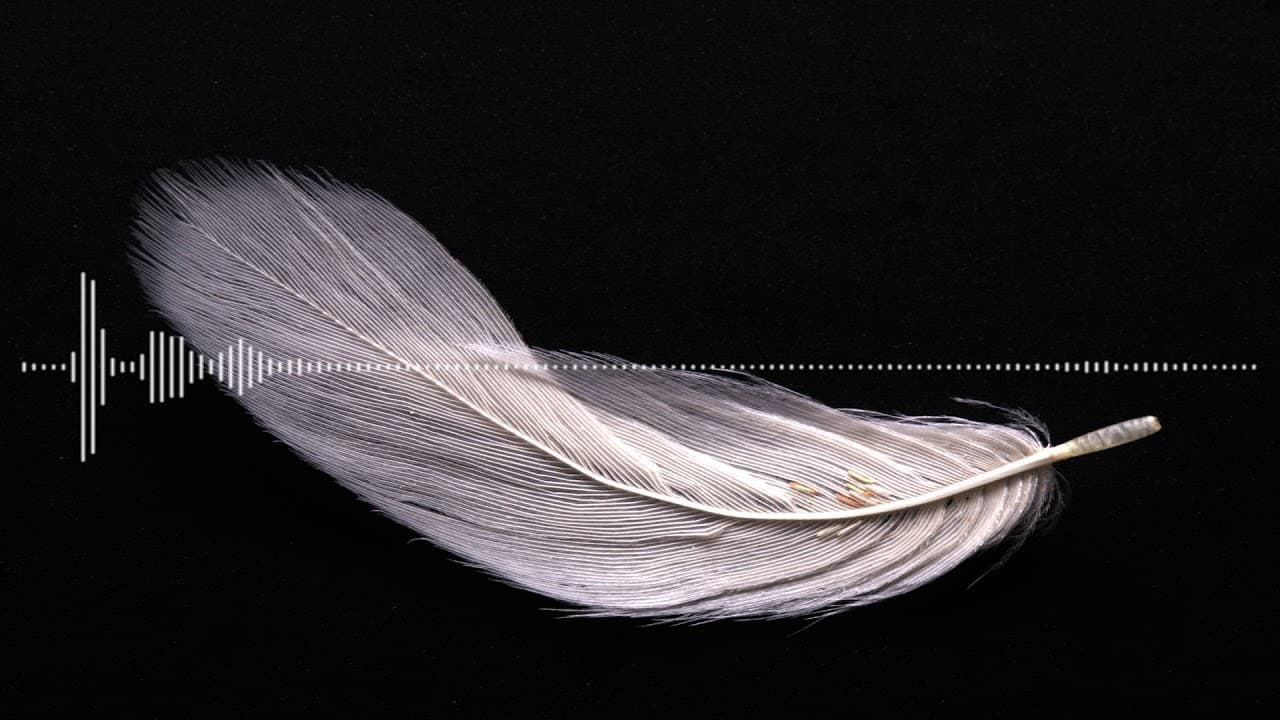
TL;DR
The White Feather Campaign was an effort during World War I where women gave white feathers to men not in uniform, labeling them as cowards to pressure them into enlisting. Despite initial apathy among soldiers, societal pressure intensified, leading even those exempt from service to feel compelled to join the fight.
Transcript
shot and he was like for the best welcome to the brain food podcast the brain food show brain food we are having a little bit of discussion over what our final name is gonna be I think in iTunes it might be showing this is episode two by the way so really early days uh what what is the situation on our name so far Damon well I think I think we're g... Read More
Key Insights
- 👩🦳 The White Feather Campaign was a movement where women gave white feathers to men not wearing uniforms, pressuring them to join World War I.
- 🫥 Soldiers in the early days of the war were apathetic towards the conflict, leading to instances of truces and camaraderie across enemy lines.
- 💅 The campaign intensified societal pressure on men, even targeting those who were exempt from military service.
Install to Summarize YouTube Videos and Get Transcripts
Explore YouTube Video Summarizer or Get YouTube Transcript Extractor
Questions & Answers
Q: What was the purpose of the White Feather Campaign?
The White Feather Campaign aimed to shame men who were not wearing uniforms into enlisting in World War I. Women would give white feathers, symbolizing cowardice, to men on the streets.
Q: How did soldiers respond to the White Feather Campaign?
Some soldiers were deeply affected by the campaign, feeling humiliated and pressured to join the war effort. Others found humor in the situation or protested against it.
Q: Did the White Feather Campaign have any impact on recruitment efforts?
The campaign was effective in pressuring some men to enlist, as societal pressure and the fear of being seen as a coward influenced their decision. However, many men still resisted and did not join the war.
Q: How did attitudes towards the war change over time?
Initially, there was apathy among soldiers and the general public towards the war. However, as propaganda campaigns intensified and the need for soldiers grew, attitudes shifted, and more people supported the war effort.
Summary & Key Takeaways
-
The White Feather Campaign, led by women, aimed to shame men who were not wearing uniforms into enlisting in World War I.
-
Soldiers in the early days of the war were apathetic towards the conflict, leading to instances of truces and camaraderie across enemy lines.
-
The campaign intensified societal pressure on men, even targeting those who were exempt from military service.
-
Attitudes towards the war changed over time, as propaganda and the need for soldiers increased.
Read in Other Languages (beta)
Share This Summary 📚
Summarize YouTube Videos and Get Video Transcripts with 1-Click
Try YouTube Summary with ChatGPT & Claude or YouTube Transcript Generator
Explore More Summaries from Today I Found Out 📚




Summarize YouTube Videos and Get Video Transcripts with 1-Click
Try YouTube Summary with ChatGPT & Claude or YouTube Transcript Generator