How to Build Unique Startups: Insights from Peter Thiel
TL;DR
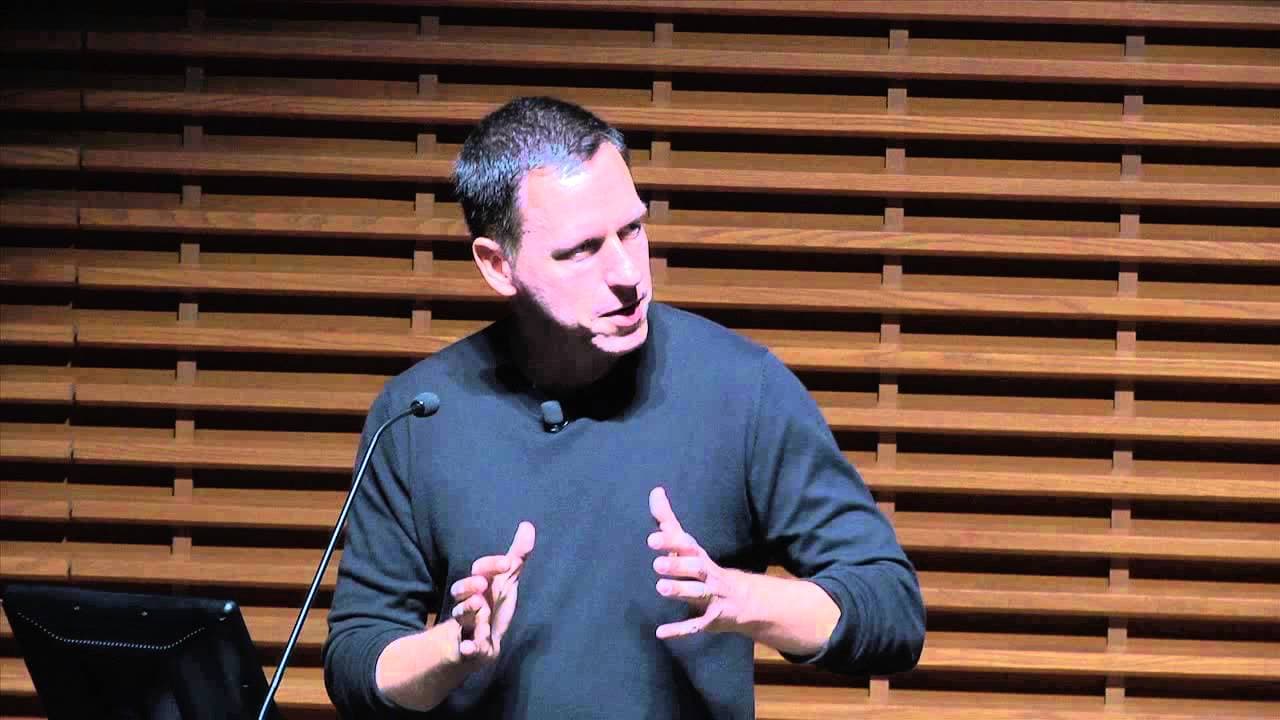
Peter Thiel emphasizes the importance of creating unique, monopoly-like businesses rather than competing in saturated markets. He believes that secrets, or undiscovered truths, are at the core of successful ventures and encourages entrepreneurs to pursue these. Thiel also critiques conventional education and competition, advocating for innovation and original thinking.
Transcript
Alumni, students, and friends, I would like to welcome you all here for this exciting evening. My name is Stephanie Young, and I'm the CFO of BASES, the Business Association of Stanford Entrepreneurial Students. We are thrilled to be co-sponsoring this evening's program with the Stanford Law School. Just as context for our organization, BASES is at... Read More
Key Insights
- Monopolies are the goal for successful businesses, not intense competition.
- Secrets, or undiscovered truths, are often at the core of great businesses.
- Globalization and technology are distinct; technology drives vertical progress.
- Conventional education often emphasizes competition over innovation.
- Originality is rare and requires resisting societal pressures.
- Successful startups often start with a unique insight or secret.
- The 21st century will see progress through globalization and technology.
- Entrepreneurship requires questioning conventional wisdom and pursuing unique paths.
Install to Summarize YouTube Videos and Get Transcripts
Explore YouTube Video Summarizer or Get YouTube Transcript Extractor
Questions & Answers
Q: How can startups achieve a monopoly-like status?
Startups can achieve a monopoly-like status by focusing on creating unique products or services that are significantly different from competitors. This requires identifying and solving problems that others have not addressed, often by discovering secrets or truths that are not widely known. By doing so, startups can create a niche market where they dominate and reduce direct competition.
Q: What role do secrets play in successful entrepreneurship?
Secrets, or undiscovered truths, are central to successful entrepreneurship because they provide a unique insight or advantage that others have not recognized. These secrets allow entrepreneurs to create innovative solutions and differentiate their products or services, leading to a competitive edge and potentially establishing a monopoly-like position in the market.
Q: Why does Peter Thiel believe competition is not ideal for startups?
Peter Thiel believes that competition is not ideal for startups because it often leads to businesses focusing on beating rivals rather than innovating. Intense competition can result in a race to the bottom, where companies are forced to cut prices and margins, ultimately harming profitability. Thiel advocates for creating unique, monopoly-like businesses that avoid direct competition and focus on innovation.
Q: What is the difference between globalization and technological progress?
Globalization involves copying and spreading existing technologies and practices across the world, leading to horizontal growth. In contrast, technological progress is about creating new inventions and innovations, leading to vertical growth. Thiel emphasizes that true progress comes from technological advancements rather than merely globalizing existing solutions.
Q: How does Thiel view the current state of technological innovation?
Thiel views the current state of technological innovation as somewhat stagnant, with significant progress primarily in information technology but less so in other fields. He believes there are still many secrets left to discover, and that innovation should extend beyond IT to areas like energy, transportation, and biomedicine, which have not advanced as rapidly as expected.
Q: What advice does Thiel give to individuals pursuing entrepreneurship?
Thiel advises individuals pursuing entrepreneurship to focus on discovering secrets and creating unique solutions rather than following conventional paths. He encourages questioning societal norms and resisting the pressure to conform, emphasizing the importance of originality and innovation in building successful businesses.
Q: How does Thiel propose we develop the so-called developed world?
Thiel proposes that to develop the so-called developed world, we must focus on technological innovation rather than accepting stagnation. This involves questioning the notion that developed countries are finished with progress and instead pursuing new technologies and solutions that can drive further advancement and improve living standards.
Q: What is Thiel's criticism of conventional education systems?
Thiel criticizes conventional education systems for emphasizing competition and prestige over substance and innovation. He believes that education often tracks students into conventional paths, discouraging original thinking and exploration of unique ideas. Thiel advocates for valuing substance over status and encouraging students to pursue their passions and innovative ideas.
Summary & Key Takeaways
-
Peter Thiel emphasizes the need for startups to aim for monopoly-like uniqueness rather than competing in crowded markets. He argues that secrets, or truths not widely known, are crucial for building successful companies. Thiel critiques the conventional education system for fostering competition over innovation.
-
Thiel distinguishes between globalization and technological progress, suggesting that true innovation comes from developing new technologies rather than merely copying existing models. He encourages entrepreneurs to pursue original ideas and resist societal pressures that discourage unconventional thinking.
-
Thiel's insights are drawn from his experiences with PayPal and other ventures, highlighting the importance of alignment and unique insights in building successful companies. He challenges the notion that competition is inherently beneficial, advocating instead for creating value through innovation.
Read in Other Languages (beta)
Share This Summary 📚
Summarize YouTube Videos and Get Video Transcripts with 1-Click
Try YouTube Summary with ChatGPT & Claude or YouTube Transcript Generator
Explore More Summaries from Stanford Law School 📚

Summarize YouTube Videos and Get Video Transcripts with 1-Click
Try YouTube Summary with ChatGPT & Claude or YouTube Transcript Generator