English Google Webmaster Central office-hours hangout
TL;DR
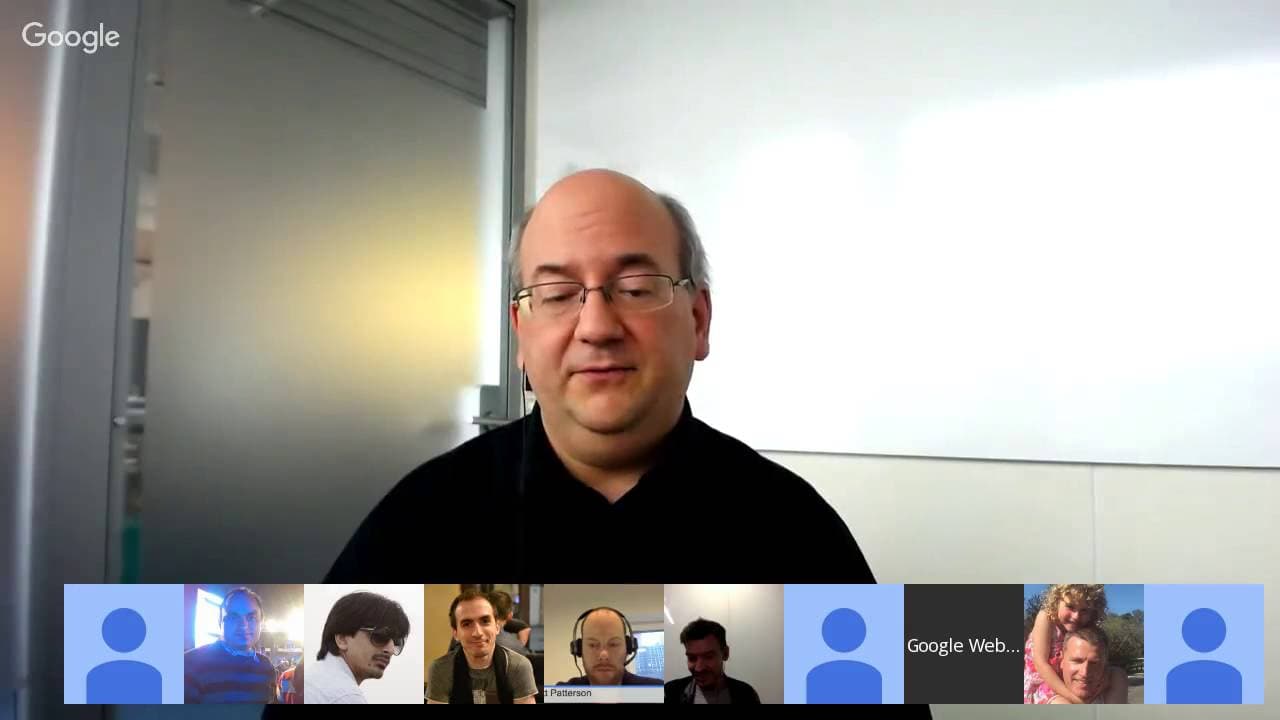
John Mueller addresses webmaster queries on indexing, penalties, and internationalization.
Transcript
JOHN MUELLER: All right. Well, welcome, everyone, to today's Google Webmaster Central Office Hours Hangouts. My name is John Mueller. I am a Webmaster Trends Analyst here at Google in Switzerland. And part of what I do is talk with webmasters and publishers, like the ones here in the Hangout, the ones that submitted questions, sometimes in help for... Read More
Key Insights
- John Mueller discusses the impact of hreflang tags on international traffic and how improper implementation can lead to traffic drops.
- He emphasizes the importance of focusing on website quality and user experience over link building for better ranking.
- Mueller explains that manual penalties are enforced by the web spam team to maintain search result quality.
- He clarifies that structured data markup errors do not affect rankings but can prevent rich snippets from displaying.
- Real-time Penguin updates aim to reduce the waiting period for algorithmic changes and improve link classification.
- Mueller advises using 404 pages for removed content and suggests hreflang for multi-regional targeting.
- He recommends focusing on a single strong website rather than multiple smaller sites to avoid doorway page issues.
- Mueller suggests using webmaster forums to gain insights on potential algorithmic penalties and site improvements.
Install to Summarize YouTube Videos and Get Transcripts
Explore YouTube Video Summarizer or Get YouTube Transcript Extractor
Questions & Answers
Q: How should hreflang tags be implemented for a site with international traffic?
Hreflang tags should be used to indicate language and regional targeting for each page. Ensure that each language version of a page has a return link pointing back to the others. Use hreflang to specify multiple countries if needed, and ensure the canonical versions of the pages are used in the markup.
Q: What should webmasters focus on instead of link building?
Webmasters should focus on improving website quality, user experience, and content relevance. By enhancing the overall value of the site, it naturally becomes more attractive to users and other sites, potentially leading to organic link growth without artificial link building efforts.
Q: What is the role of manual penalties in Google's search algorithm?
Manual penalties are enforced by the web spam team to address issues that negatively impact search result quality. These penalties are based on Google's guidelines and are used when algorithmic solutions are insufficient. They help maintain the integrity of search results by addressing spammy practices.
Q: How does structured data markup affect search rankings?
Incorrect structured data markup does not affect search rankings but can prevent rich snippets from displaying. It's important to ensure the markup is valid and accurately reflects the page content to benefit from enhanced search result features like recipe images or star ratings.
Q: What is the significance of the real-time Penguin update?
The real-time Penguin update aims to reduce the wait time for changes in algorithmic penalties and improve link classification. This update allows for more immediate adjustments to search rankings based on link quality, providing a more dynamic and responsive search experience.
Q: How should webmasters handle removed content on their sites?
Webmasters should use 404 pages for removed content to indicate that the pages no longer exist. If there are equivalent products or content, consider redirecting users to those pages. Ensure that the 404 pages provide useful information to users about the content's removal.
Q: What are the potential issues with having multiple smaller sites?
Having multiple smaller sites can lead to doorway page issues, where each site targets a specific category but dilutes the overall site authority. It's often more beneficial to consolidate content into a single, strong site, enhancing overall user experience and search visibility.
Q: How can webmasters diagnose potential algorithmic penalties?
Webmasters can use forums to seek feedback from the community on potential algorithmic penalties. By discussing site issues with experienced webmasters, they can identify whether the problem is internal, such as site quality, or external, like problematic backlinks, and take appropriate action.
Summary & Key Takeaways
-
John Mueller from Google answers various webmaster questions, focusing on issues like internationalization, link penalties, and site structure. He provides insights into best practices for hreflang implementation and the importance of focusing on site quality over artificial link building.
-
Mueller addresses concerns about manual penalties, explaining their role in maintaining search quality. He also discusses the upcoming real-time Penguin update, which aims to improve link classification and reduce wait times for algorithmic changes.
-
The session covers topics like handling removed content with 404 pages, using hreflang for multi-regional sites, and the potential pitfalls of doorway pages. Mueller encourages webmasters to use forums for community feedback on site issues.
Read in Other Languages (beta)
Share This Summary 📚
Summarize YouTube Videos and Get Video Transcripts with 1-Click
Try YouTube Summary with ChatGPT & Claude or YouTube Transcript Generator
Explore More Summaries from Google Search Central 📚




Summarize YouTube Videos and Get Video Transcripts with 1-Click
Try YouTube Summary with ChatGPT & Claude or YouTube Transcript Generator