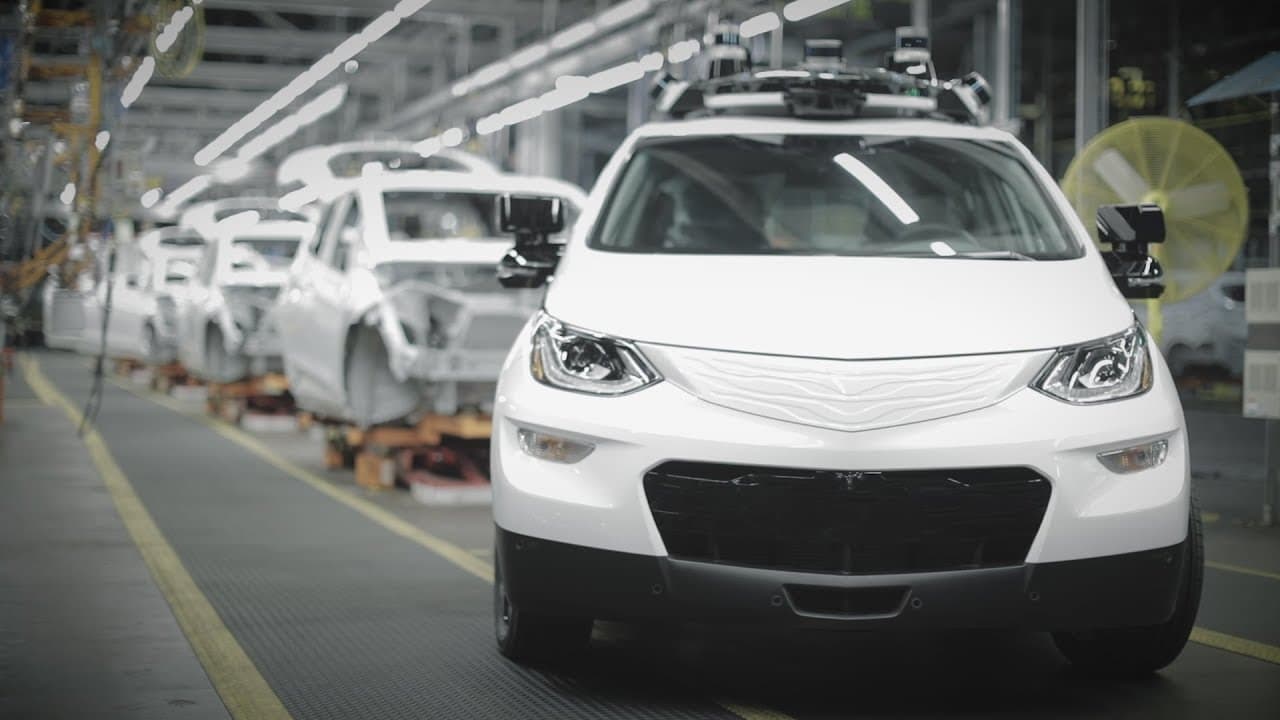
Inside the GM factory where Cruise's autonomous Bolt is made
TL;DR
A factory in operation since the 80s builds internal combustion engine vehicles, electric vehicles, and autonomous vehicles on a single assembly line, leveraging space, expertise, and efficiency.
Transcript
the point was opened in the early 80s it's built a variety of name plates and car sizes currently we have about 1100 people here on the site building small car the sonic Eevee Bowl and of course our cruise a be talk to me a little bit about for folks who don't know or aren't familiar with how factories work specifically manufacturing three vehicles... Read More
Key Insights
- 🧑🏭 This factory has a long history, starting in the early 80s, and has produced various nameplate vehicles.
- 🫥 By manufacturing different vehicle types on one assembly line, the factory can leverage its space, expertise, and operators, leading to increased efficiency.
- 🧑🏭 The factory has the flexibility to build vehicles based on specific customer orders, rather than mass production.
- 🚙 It is uncommon for a factory to produce internal combustion engine vehicles, electric vehicles, and autonomous vehicles on the same assembly line.
- 🧑🏭 The factory has developed specialized areas within the facility to cater to the specific needs of different vehicle types, ensuring efficient production.
- 🚙 Integration of autonomous vehicles into the assembly line required careful planning to identify operations that could be shared with electric vehicles.
- 🧑🏭 The factory takes pride in the integration of engineering and manufacturing processes to create seamless electric and autonomous vehicles.
Install to Summarize YouTube Videos and Get Transcripts
Explore YouTube Video Summarizer or Get YouTube Transcript Extractor
Questions & Answers
Q: How does manufacturing multiple vehicle types on one assembly line benefit the factory?
Manufacturing multiple vehicle types on one assembly line allows the factory to optimize space and expertise, leading to increased efficiency. It also enables better utilization of resources compared to having separate lines, making the process more cost-effective.
Q: Is it common to have an internal combustion engine, an electric vehicle, and an autonomous vehicle built on the same assembly line?
No, it is not common. This factory appears to be unique in building all three types of vehicles on a single assembly line, making it a rare and interesting manufacturing process.
Q: How many vehicles are produced at the factory?
The factory builds vehicles based on customer orders, allowing for flexibility in production. The number of vehicles produced depends on the orders received, with batches of approximately six or seven vehicles at a time.
Q: What considerations were taken in integrating autonomous vehicle production into the assembly line?
The factory developed a specific area within the facility to ensure efficient production of autonomous vehicles. They focused on identifying operations that could be shared between autonomous and electric vehicles to streamline the process.
Summary & Key Takeaways
-
The factory has been operational since the 80s, producing various vehicle models and sizes, and currently employs around 1,100 people.
-
Manufacturing three different vehicle types on a single assembly line allows for efficient use of space, optimization of expertise, and increased overall efficiency.
-
The factory has the flexibility to build vehicles based on customer orders, with batches of about six or seven vehicles at a time.
Read in Other Languages (beta)
Share This Summary 📚
Summarize YouTube Videos and Get Video Transcripts with 1-Click
Try YouTube Summary with ChatGPT & Claude or YouTube Transcript Generator
Explore More Summaries from TechCrunch 📚






Summarize YouTube Videos and Get Video Transcripts with 1-Click
Try YouTube Summary with ChatGPT & Claude or YouTube Transcript Generator