Sensitive Leaders are Good Leaders | Andre Sólo on How to Thrive in an Overwhelming World (Part 2)
TL;DR
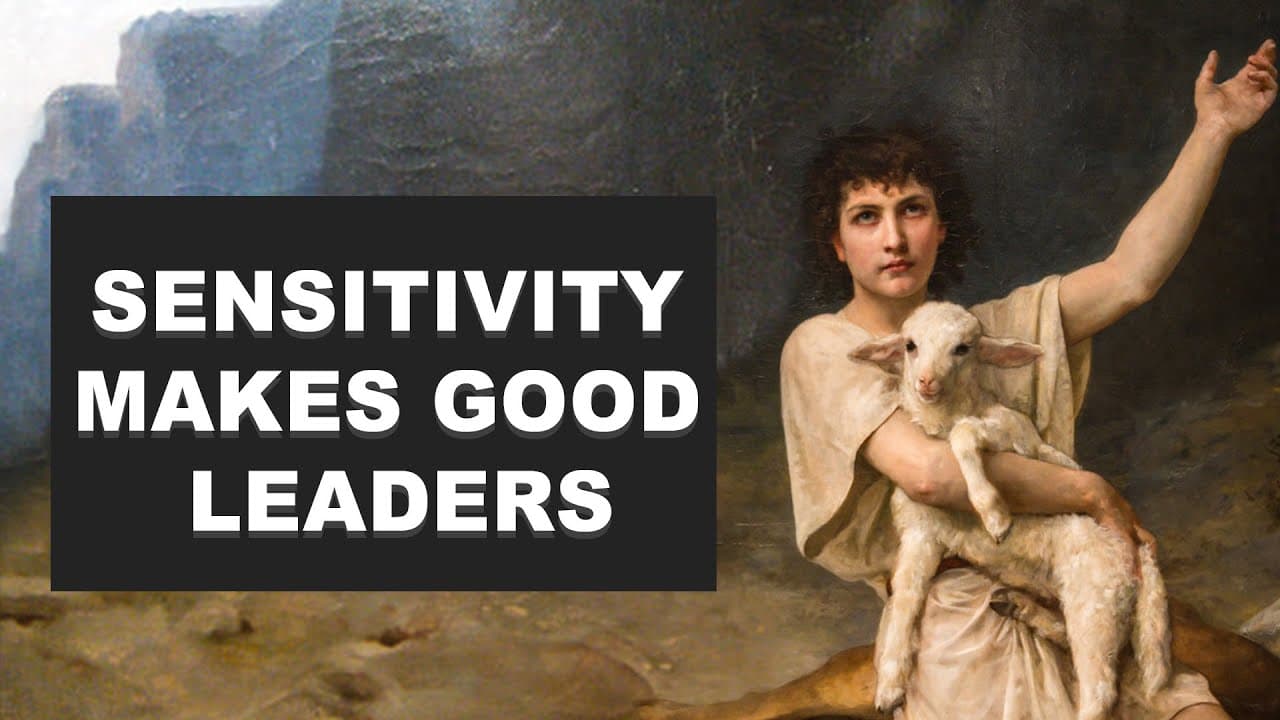
Sensitivity is a genetic trait that influences how individuals process information and react to their environment, and it can be both a blessing and a challenge. Highly sensitive individuals tend to experience a boost effect when surrounded by positive influences, but adverse experiences can also increase sensitivity. Sensitivity is distinct from introversion and has potential overlaps with autism.
Transcript
foreign curate it because one of the other things you talk about is actually spending more time with those those um the happy people so that you take in their energy celebrating their successes I mean how wonderful who who doesn't want to do that and the questions are starting to come in so that's great do type those in and we'll weave some in um A... Read More
Key Insights
- ♻️ Sensitivity is a genetic trait that influences an individual's processing and reaction to their environment.
- ❓ Highly sensitive individuals experience a boost effect when surrounded by positive influences and increased sensitivity in adverse circumstances.
- 🎁 Sensitivity is separate from introversion and can be present in both introverted and extroverted individuals.
- ⛑️ While sensitivity and autism may share traits related to overstimulation, they have distinct differences, including social cue interpretation.
- 😤 Sensitive leaders excel in creating a sense of purpose and inspire their teams by understanding their emotions and motivations.
- 💦 Creating a supportive work environment is essential for retaining highly sensitive, high-performing employees.
- 😫 Setting boundaries is important for sensitive individuals, even if it means speaking up or removing themselves from disrespectful interactions.
Install to Summarize YouTube Videos and Get Transcripts
Explore YouTube Video Summarizer or Get YouTube Transcript Extractor
Questions & Answers
Q: Is sensitivity affected by the individual's childhood upbringing?
Sensitivity is largely genetic but can also be shaped by childhood upbringing. While genes determine sensitivity to some extent, certain circumstances in childhood can increase or decrease sensitivity.
Q: Is sensitivity associated with introversion?
Sensitivity and introversion are not the same thing. Introversion refers to a person's energy source (alone time or social interaction), while sensitivity relates to how an individual reacts to their environment. Sensitive individuals can be either introverted or extroverted.
Q: What is the difference between sensitivity and autism?
While sensitivity and autism may share certain traits related to overstimulation, they are distinct from each other. Autistic individuals have difficulty interpreting neurotypical social cues, whereas highly sensitive individuals are fluent in social cues and have a natural ability to understand others.
Q: How can sensitivity be beneficial in leadership roles?
Sensitive leaders excel in creating a sense of purpose and inspiring their teams. They pay attention to emotions, understand the concerns and motivations of others, and foster meaningful connections. Research suggests that sensitive workers can be both high-performing and highly stressed, so creating a supportive work environment is crucial.
Summary & Key Takeaways
-
Sensitivity is a genetic trait that determines an individual's processing and reaction to their environment.
-
Highly sensitive individuals experience a boost effect when surrounded by positive influences, but adverse experiences can also increase sensitivity.
-
Sensitivity is separate from introversion and may overlap with certain traits of autism.
Read in Other Languages (beta)
Share This Summary 📚
Summarize YouTube Videos and Get Video Transcripts with 1-Click
Try YouTube Summary with ChatGPT & Claude or YouTube Transcript Generator
Explore More Summaries from How To Academy Mindset 📚





Summarize YouTube Videos and Get Video Transcripts with 1-Click
Try YouTube Summary with ChatGPT & Claude or YouTube Transcript Generator