The Housing Market “Splits” as Rents Start to Get Unstable
TL;DR
Rent prices vary across markets, with potential declines ahead.
Transcript
since the middle of 2022 we have been in a housing market correction nothing has crashed yet but estimates on a seasonally adjusted basis are that housing prices have fallen about three percent some people welcome this and the idea of buying real estate at a relative discount other people want to see their property values stay high but for all peop... Read More
Key Insights
- The housing market is undergoing a correction with a 3% decline in prices, but rent trends show mixed signals across different markets.
- Nationally, rent prices have increased from $1,200 to $1,500 monthly, representing a 20% growth since early 2020.
- Year-over-year rent growth has decelerated from over 20% in late 2021 to about 7% in early 2023.
- Vacancy rates remain low nationally, contributing to stable rental income despite economic shifts.
- Some markets like El Paso, Anaheim, and Louisville are experiencing rapid rent growth, while others like Detroit and Bakersfield see declines.
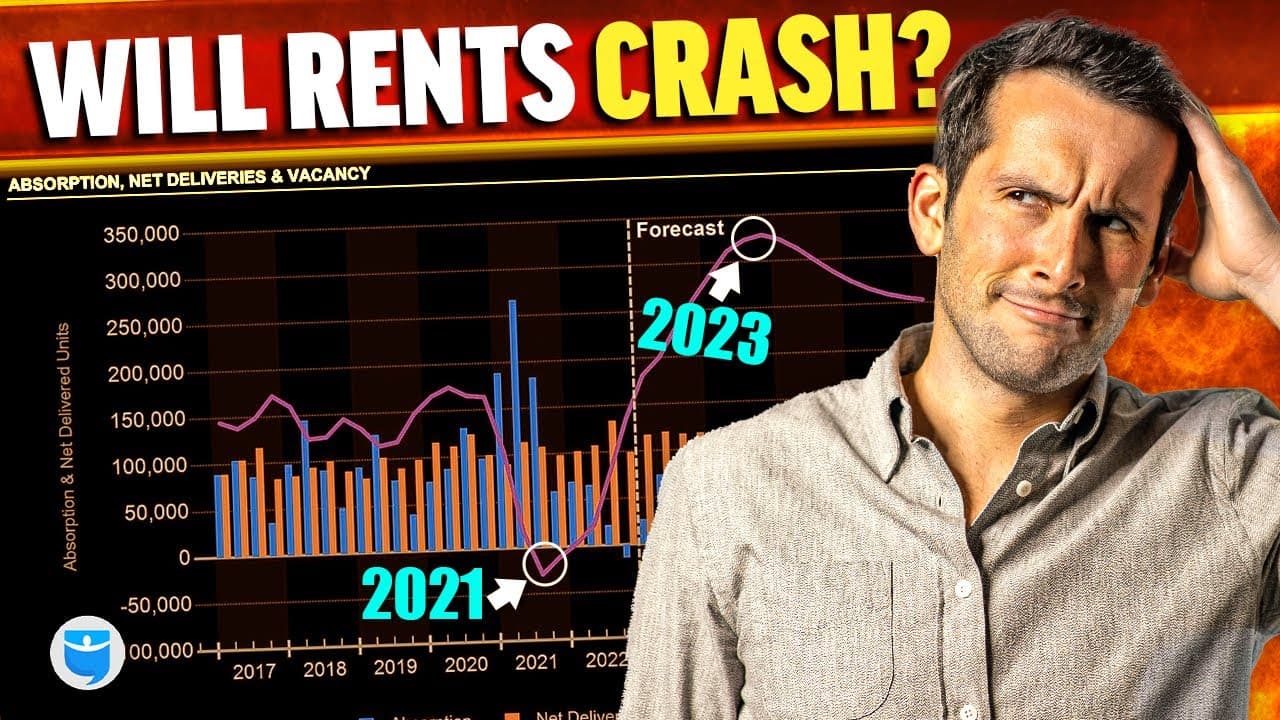
- Multi-family rent growth has flattened, with predictions of less than 2% growth due to increased supply exceeding demand.
- Rent prices are historically more stable than housing prices during economic downturns, with minor declines expected.
- Investors should be cautious, anticipating little to no rent growth in the near future, impacting cash flow expectations.
Install to Summarize YouTube Videos and Get Transcripts
Explore YouTube Video Summarizer or Get YouTube Transcript Extractor
Questions & Answers
Q: What is the current trend in the national rental market?
The national rental market has seen a significant increase in rent prices, rising from $1,200 to $1,500 per month since early 2020. However, the pace of growth has slowed, with year-over-year increases dropping from over 20% in late 2021 to about 7% in early 2023. Vacancy rates remain low, supporting stable rental income.
Q: How do vacancy rates impact rental income?
Vacancy rates are crucial in determining rental income stability. Low vacancy rates, as currently observed nationally, suggest a high demand for rental properties, which supports stable rental income. Despite economic shifts, low vacancy rates indicate that rental properties are being occupied, reducing the risk of income loss for property owners.
Q: Which markets are experiencing the fastest rent growth?
Markets such as El Paso, Anaheim, and Louisville are experiencing rapid rent growth. El Paso, in particular, has seen a 3.4% average monthly growth over the last three months, annualizing to over 30%. These markets continue to grow despite the national trend of slowing rent increases, indicating localized demand and economic factors.
Q: What challenges are facing the multi-family rental market?
The multi-family rental market is facing challenges due to an oversupply of new units, with net deliveries expected to exceed absorption rates. This imbalance is likely to increase vacancy rates, putting downward pressure on rent prices. Forecasts predict minimal growth, with rent increases not keeping pace with inflation, affecting investor returns.
Q: How does rent stability compare to housing prices during recessions?
Rent prices are historically more stable than housing prices during recessions. In four out of five recent recessions, rent continued to rise, with only a minor decline during the Great Recession. This stability is attributed to the 'stickiness' of rent, which tends not to fluctuate as dramatically as housing prices in economic downturns.
Q: What should investors consider when forecasting rental income?
Investors should be cautious and conservative when forecasting rental income, anticipating little to no rent growth in the near future. Given the uncertain economic environment, it's advisable to project zero rent growth for the next two years. This conservative approach helps ensure realistic cash flow expectations and avoids overpaying for properties.
Q: How might cash flow prospects improve despite market challenges?
Cash flow prospects could improve if housing prices decline while rent remains stable. This scenario would enhance rent-to-price ratios, a key indicator of cash flow potential. Although rising mortgage rates could offset some benefits, stable rent prices amidst declining property values could enhance overall cash flow for investors.
Q: What resources are available for understanding local rental markets?
Investors and renters can access proprietary data on rent trends in the top 100 US housing markets through BiggerPockets. This data provides insights into local market conditions, helping users make informed investment decisions. By understanding specific market dynamics, investors can better anticipate rent trends and adjust their strategies accordingly.
Summary & Key Takeaways
-
The rental market shows a split, with some regions experiencing rapid rent growth while others face declines. Nationally, rent prices have increased significantly since 2020, but the pace of growth is slowing. Vacancy rates remain low, supporting stable rental income despite economic uncertainties.
-
Multi-family rents have flattened due to an oversupply of new units, with forecasts predicting minimal growth. Investors should be cautious, as rent prices are expected to remain flat or decline slightly, affecting cash flow projections. Historical trends show rent prices are more stable than housing prices during recessions.
-
Some markets, like El Paso and Anaheim, continue to grow rapidly, while others, such as Detroit and Bakersfield, experience declines. Investors should consider local market conditions and anticipate little to no rent growth when underwriting deals, ensuring realistic cash flow expectations.
Read in Other Languages (beta)
Share This Summary 📚
Summarize YouTube Videos and Get Video Transcripts with 1-Click
Try YouTube Summary with ChatGPT & Claude or YouTube Transcript Generator
Explore More Summaries from BiggerPockets 📚






Summarize YouTube Videos and Get Video Transcripts with 1-Click
Try YouTube Summary with ChatGPT & Claude or YouTube Transcript Generator