Why Did the Fed Cut Interest Rates in July 2019?
TL;DR
The Fed cut interest rates by ¼ percentage point to support the economy amid weak global growth, trade uncertainties, and low inflation. This midcycle adjustment aims to sustain economic expansion and promote inflation's return to the 2 percent target. The decision was made despite concerns about financial stability in the business sector.
Transcript
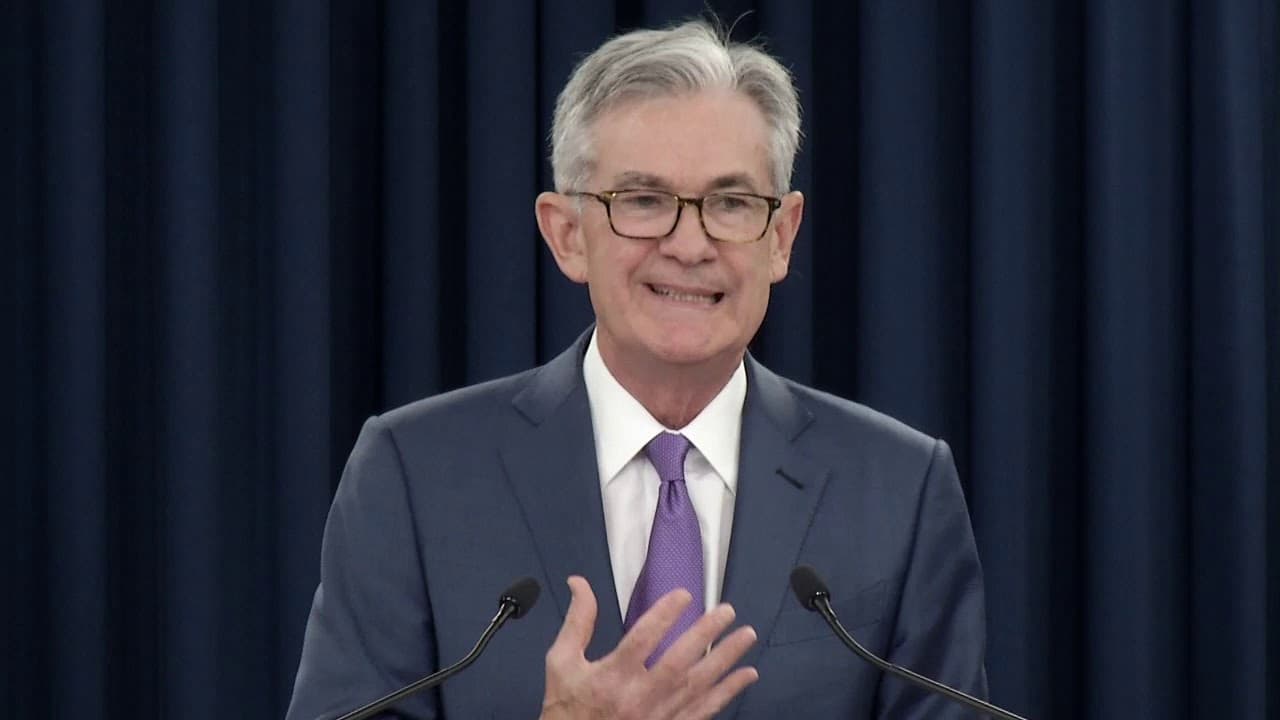
Transcript of Chair Powell's Press Conference July 31, 2019 CHAIR POWELL. Good afternoon, and welcome. We decided today to lower the target for the federal funds rate by ¼ percentage point to a range of 2 percent to 2¼ percent. The outlook for the U.S. economy remains favorable, and this action is designed to support that outlook. It is intended to... Read More
Key Insights
- ☠️ The rate cut is a midcycle adjustment to support the US economy rather than the start of a lengthy cutting cycle.
- 🌐 Weak global growth, trade tensions, and muted inflation have influenced the policy adjustment.
- ☠️ Financial stability concerns related to business borrowing have been considered but do not outweigh the need for the rate cut.
- 💄 The Fed's monetary policy review is an ongoing process to assess and potentially improve the framework for making policy decisions.
- 🥅 The Fed remains committed to its goals of maximum employment and stable prices, independent of political considerations.
Install to Summarize YouTube Videos and Get Transcripts
Explore YouTube Video Summarizer or Get YouTube Transcript Extractor
Questions & Answers
Q: Is a 25 basis point rate cut enough to expediently return inflation to the 2 percent target?
The 25 basis point rate cut is part of a series of accommodative policy adjustments made over the year. The gradual increase in policy support has kept the economy on track, and the rate cut is intended to further support inflation and other economic objectives.
Q: How does cutting interest rates help when there doesn't seem to be a demand problem?
While the economy has performed well, weak global growth, trade tensions, and low inflation pose risks. Cutting interest rates can lower borrowing costs, boost confidence, and support economic activity, which in turn can help offset these risks.
Q: How have better-than-expected data impacted the FOMC's thinking?
The FOMC acknowledges positive economic performance but remains concerned about downside risks and inflation shortfalls. The committee will continue to monitor data, including trade uncertainty, global growth, and inflation, to inform future policy decisions.
Q: Are we in a new regime where trade talks and uncertainty play a more significant role in monetary policy decisions?
Trade tensions and uncertainty are unique factors that require specific attention. The Fed must closely monitor trade developments and their effects on financial markets and the economy. Trade policy uncertainty is a less predictable factor compared to standard indicators like global growth and inflation.
Summary & Key Takeaways
-
Chairman Powell lowers the target for the federal funds rate to support the US economy against downside risks from weak global growth and trade policy uncertainty.
-
The decision also aims to promote faster inflation return to the 2 percent target and sustain the expansion with a strong job market.
-
Weak global growth, trade tensions, and muted inflation have led to a more accommodative monetary policy stance over the year.
Read in Other Languages (beta)
Share This Summary 📚
Summarize YouTube Videos and Get Video Transcripts with 1-Click
Try YouTube Summary with ChatGPT & Claude or YouTube Transcript Generator
Explore More Summaries from Federal Reserve 📚


Summarize YouTube Videos and Get Video Transcripts with 1-Click
Try YouTube Summary with ChatGPT & Claude or YouTube Transcript Generator