How Does Google’s Caffeine Indexing System Work? | Search Off the Record Podcast
TL;DR
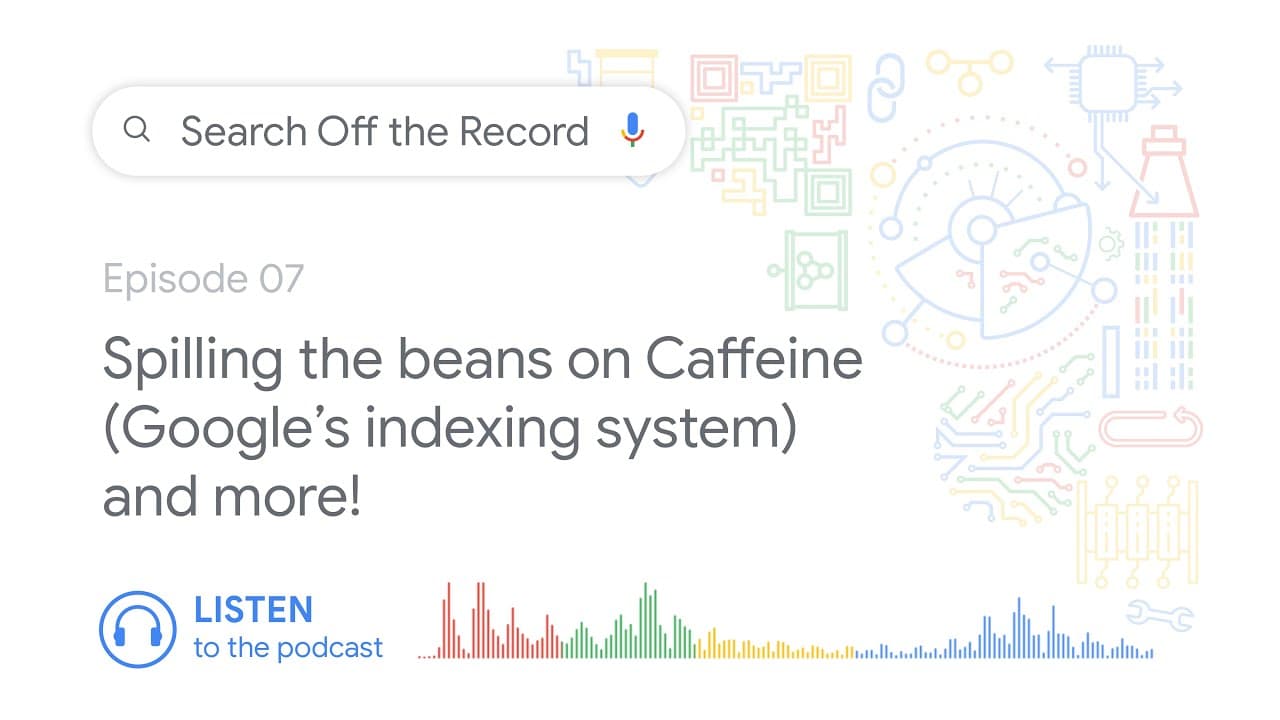
Google’s Caffeine indexing system processes crawled data by normalizing broken HTML, converting formats such as PDFs and Word documents into HTML, interpreting meta tags, and identifying error pages such as soft 404s. Search Off the Record also explores virtual-event formats, including prerecorded talks, live Q&A panels, and site clinics. Read on for specific answers about indexing and Google’s event ideas.
Transcript
[MUSIC PLAYING] JOHN MUELLER: Welcome, everyone, to the next episode of "Search Off the Record," a podcast that we're trying out. Our plan is to talk a bit about what's happening at Google Search, how things work behind the scenes, and maybe have some fun along the way. My name is John Mueller. I am a Search Advocate on the Search Relations team he... Read More
Key Insights
- Caffeine is Google's indexing system, responsible for processing data from web crawls.
- The system normalizes HTML to handle the broken nature of many web pages.
- Caffeine converts various file formats, like PDFs, into HTML for indexing.
- Error page handling is crucial, identifying issues like soft 404s for proper indexing.
- Virtual events are gaining popularity, with Google exploring new formats.
- GIF search engines are increasingly popular, using hashtags for SEO.
- Choosing an SEO specialist requires careful consideration, especially in remote settings.
- SEO recommendations are challenging due to the diverse needs and contexts of websites.
Install to Summarize YouTube Videos and Get Transcripts
Explore YouTube Video Summarizer or Get YouTube Transcript Extractor
Questions & Answers
Q: How does Google’s Caffeine indexing system work?
Caffeine processes data collected through web crawls for Google’s index. It normalizes HTML, converts other file formats into HTML, evaluates meta tags, and handles error pages such as soft 404s.
Q: Why does Caffeine normalize HTML before indexing it?
Many web pages contain broken or malformed HTML. Normalization gives Caffeine a more consistent representation of the page so its content can be processed for indexing.
Q: How does Google process PDFs and Word documents for indexing?
Google converts formats such as PDFs and Word documents into HTML for indexing. The process uses licensed decoders for binary formats, allowing their content to be handled alongside ordinary web pages.
Q: How does Google identify soft 404 pages?
A soft 404 is a page that returns a 200 status code even though its content says the page was not found. The indexing system compares pages with a corpus of known error pages so these pages can be identified and excluded from the index.
Q: How can a meta robots tag affect Google indexing?
A meta robots tag gives search engines indexing instructions. If its value contains “noindex,” it can tell Google not to include that page in the index.
Q: What virtual-event formats does Google discuss in Search Off the Record?
The hosts discuss Q&A panels, site clinics, feedback sessions, regular talks, live presentations, and prerecorded sessions with live chat. They want to combine interactive and non-interactive formats without limiting the capacity of a virtual event.
Q: When are prerecorded talks preferable to live presentations?
John Mueller says prerecorded delivery can work well for information-rich talks because speakers can fine-tune the message and coordinate it with their slides. Recordings can also help different time zones and support transcriptions.
Q: Why might live Q&A sessions still be valuable?
Live sessions bring pressure and energy that can give content a more human touch. John Mueller suggests that live video is particularly suitable for Q&A or a small panel, while written chat may be easier for people who do not speak English as a first language.
Summary & Key Takeaways
-
Google's Caffeine indexing system processes crawled data by normalizing HTML and converting different file formats into HTML for indexing. It also handles error pages and meta tags to ensure accurate indexing. The podcast explores the challenges of virtual events and the rising popularity of GIF search engines.
-
Caffeine normalizes HTML to manage the broken nature of web pages, converting formats like PDFs into HTML. Error handling is crucial for identifying soft 404s and other issues. The podcast also discusses virtual events and SEO recommendations.
-
The podcast features discussions on Google's Caffeine indexing system, virtual conferences, and SEO challenges. Caffeine processes crawled data, normalizes HTML, and converts various file formats. It also addresses error pages and meta tags to ensure accurate indexing.
Read in Other Languages (beta)
Share This Summary 📚
Summarize YouTube Videos and Get Video Transcripts with 1-Click
Try YouTube Summary with ChatGPT & Claude or YouTube Transcript Generator
Explore More Summaries from Google Search Central 📚




Summarize YouTube Videos and Get Video Transcripts with 1-Click
Try YouTube Summary with ChatGPT & Claude or YouTube Transcript Generator