What Is Snake Oil and Does It Reduce Inflammation?
TL;DR
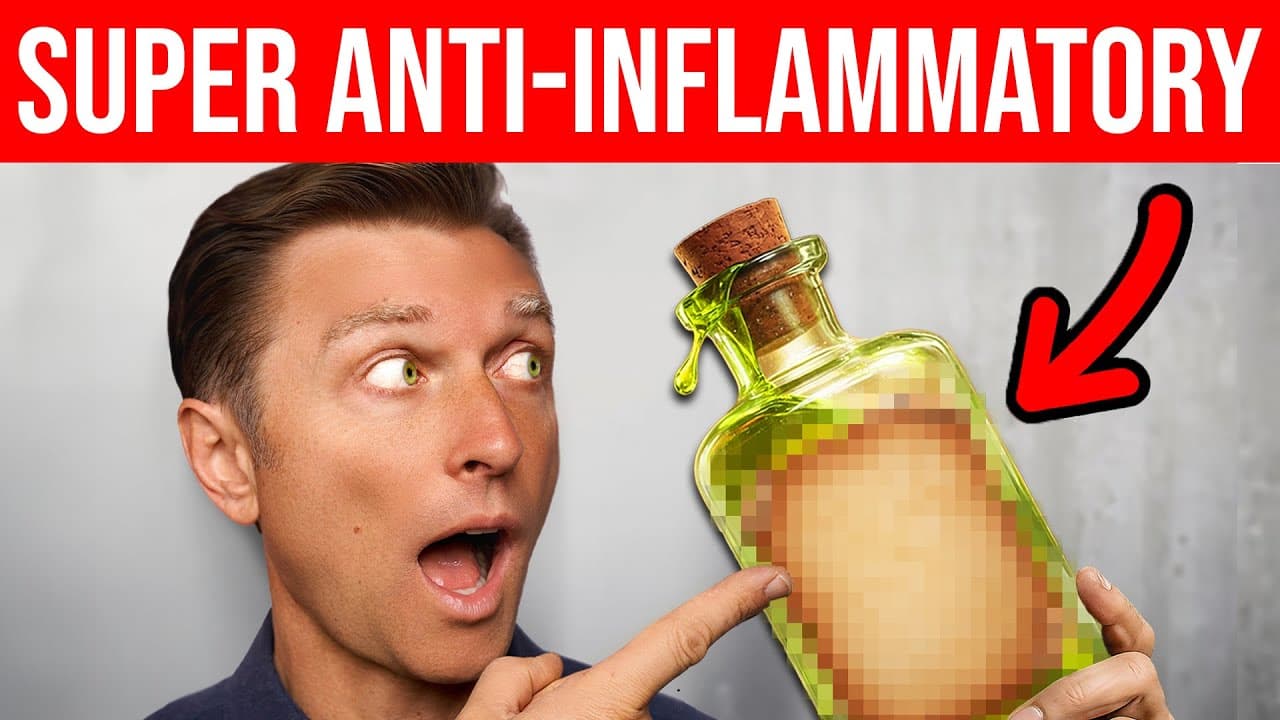
Real snake oil, according to the presentation, contains unusually high levels of the omega-3 fatty acid EPA, which may help regulate inflammation. The presentation contrasts this traditional Chinese remedy with fraudulent products that contained no snake oil, then attributes potential benefits to EPA for arthritis, cardiovascular risk, insulin sensitivity, fibrosis, autoimmune conditions, depression, and topical joint relief.
Transcript
Did you realize that snake oil is the number one most ignored superfood? That's right. Wait till you hear what real snake oil can do for your body. But I first want to dive into the snake oil concept that's been pushed out there for over 100 years, especially in relationship to snake oil salesmen. When people think of that, they think of health fra... Read More
Key Insights
- The negative meaning of "snake oil" developed from fraudulent or adulterated remedies sold for conditions such as arthritis, pain, and digestive problems during the 1800s. Some products were illegitimate, but the presentation argues that this history unfairly damaged the reputation of natural remedies more broadly.
- Clark Stanley is presented as the best-known example of a fraudulent snake oil seller because government testing reportedly found no snake oil in his arthritis product. He received a $20 fine, which the presentation estimates would equal roughly $600 in present-day value.
- Genuine snake oil was reportedly imported from China and used by Chinese railroad workers seeking relief from arthritis and pain. The presentation says it came from a specific Chinese water snake whose omega-3 content differed from that of an American rattlesnake.
- The Pure Food and Drug Act began in 1906 as an effort to address misbranding and adulteration, particularly involving products sold across state lines. The presentation connects this history to current concerns about cheaper food substitutes, highly refined wheat, high-fructose corn syrup, beet sugar, and seed oils.
- Modern pharmaceutical practices are characterized by the presenter as "snake oil 2.0" because of alleged fraud, conflicts of interest, limited transparency, exaggerated benefits, minimized side effects, and financial manipulation. These are the presenter's arguments and comparisons, rather than independently established conclusions within the supplied material.
- EPA is described as an omega-3 fatty acid that changes pro-inflammatory factors into more anti-inflammatory factors instead of merely blocking an enzyme. The presentation contrasts this proposed mechanism with anti-inflammatory drugs and claims that EPA can regulate the broader inflammatory environment without the same side effects.
- EPA is linked in the presentation to several potential benefits, including reduced inflammation, improved depression symptoms, greater insulin sensitivity, less fibrosis, and lower autoimmune activity. It also claims EPA can decrease cardiovascular heart-attack risk by 25% and may improve immune regulation.
- Snake oil can reportedly be used topically as well as consumed orally. The presentation says rubbing it directly onto a joint may reduce local inflammation, making topical application a possible option for arthritis or other inflammatory joint discomfort discussed in the presentation.
Install to Summarize YouTube Videos and Get Transcripts
Explore YouTube Video Summarizer or Get YouTube Transcript Extractor
Questions & Answers
Q: What is real snake oil made from?
Real snake oil is described as oil derived from a specific Chinese water snake. According to the presentation, this traditional product was shipped from China and used by Chinese railroad workers for arthritis and pain. It is distinguished from American rattlesnake oil because the Chinese water snake allegedly contains more omega-3 fatty acids, particularly EPA.
Q: Why did snake oil become associated with health fraud?
Snake oil became associated with fraud because some sellers in the 1800s marketed remedies for arthritis, pain, digestive problems, and other conditions without legitimate ingredients. Clark Stanley became the central example after government testing reportedly found no snake oil in his product. The presentation argues that these cases caused both fraudulent products and genuine natural remedies to receive the same negative label.
Q: Who was Clark Stanley and what happened to his product?
Clark Stanley was a well-known seller who marketed a product described as snake oil for arthritis. The government tested the product and reportedly discovered that it contained no snake oil. According to the presentation, he was fined $20, estimated there as roughly $600 in present-day value, and subsequently became the poster child for the dishonest snake oil salesman.
Q: What is EPA and how does the presentation say it works?
EPA is identified as one of the principal omega-3 fatty acids, alongside DHA. DHA is described as a structural fat supporting brain cells and cognitive function, while EPA is presented as a potent regulator of inflammation. Rather than simply blocking an enzyme, EPA allegedly shifts pro-inflammatory factors toward anti-inflammatory factors, changing the broader inflammatory environment in the body.
Q: What health benefits does the presentation attribute to EPA?
The presentation attributes a wide range of potential effects to EPA, including reduced inflammation in arthritis, bursitis, tendinitis, and autoimmune conditions. It also links EPA with improved depression symptoms, a 25% reduction in cardiovascular heart-attack risk, better insulin sensitivity, reduced fibrosis, improved immune regulation, and possibly decreased tumors. These benefits are claims made within the presentation.
Q: How could EPA help with fibrosis and autoimmune disease?
EPA is said to reduce the uncontrolled inflammation that can eventually produce fibrosis, or scar tissue, as the body repeatedly attempts to heal. The presentation says this could matter in the liver, heart, brain, and other tissues. It also argues that reducing inflammation may lessen autoimmune problems because inflammation is described as a major component of autoimmune disease.
Q: Can snake oil be applied directly to an inflamed joint?
Yes, the presentation says genuine snake oil can be used topically. It suggests rubbing the oil directly onto a painful or inflamed joint to reduce inflammation without taking it orally. This topical use is presented as especially relevant to joint problems such as arthritis, although the supplied material does not provide application amounts, frequency, or detailed usage instructions.
Q: How does the presentation compare pharmaceutical companies with historical snake oil sellers?
The presenter argues that some modern pharmaceutical practices resemble historical snake oil selling on a much larger scale. The comparison cites alleged criminal fraud, conflicts of interest, research opacity, exaggerated benefits, minimized side effects, high insulin prices, and products later found dangerous. The presenter labels this system "snake oil 2.0," while presenting the comparison as a personal viewpoint.
Summary & Key Takeaways
-
The phrase "snake oil" became associated with health fraud after sellers marketed questionable remedies during the 1800s. Clark Stanley became a prominent example when government testing reportedly found no snake oil in his product. The presentation contrasts such misbranding with genuine oil derived from a specific Chinese water snake.
-
The presentation broadens the snake oil comparison to criticize modern pharmaceutical practices, including alleged conflicts of interest, exaggerated benefits, minimized side effects, financial manipulation, and limited research transparency. It argues that natural remedies are often dismissed as fraudulent even when their ingredients or effects have been legitimately studied.
-
Real snake oil is presented as an exceptionally rich source of EPA, an omega-3 fatty acid associated with inflammation regulation. The presentation links EPA to possible improvements in arthritis, depression, cardiovascular risk, fibrosis, insulin sensitivity, autoimmune conditions, and immune regulation. It also says snake oil can be applied topically to inflamed joints.
Read in Other Languages (beta)
Share This Summary 📚
Summarize YouTube Videos and Get Video Transcripts with 1-Click
Try YouTube Summary with ChatGPT & Claude or YouTube Transcript Generator
Explore More Summaries from Dr. Eric Berg DC 📚




Summarize YouTube Videos and Get Video Transcripts with 1-Click
Try YouTube Summary with ChatGPT & Claude or YouTube Transcript Generator