How Did Snipers Transform Modern Warfare?
TL;DR
Snipers transformed warfare by combining precise long-range fire, concealment, patience, and reconnaissance to disrupt enemies with a single shot. Their effectiveness repeatedly forced armies to change tactics, equipment, and training, yet American forces suffered in World War II because the United States had abandoned organized sniper development after World War I.
Transcript
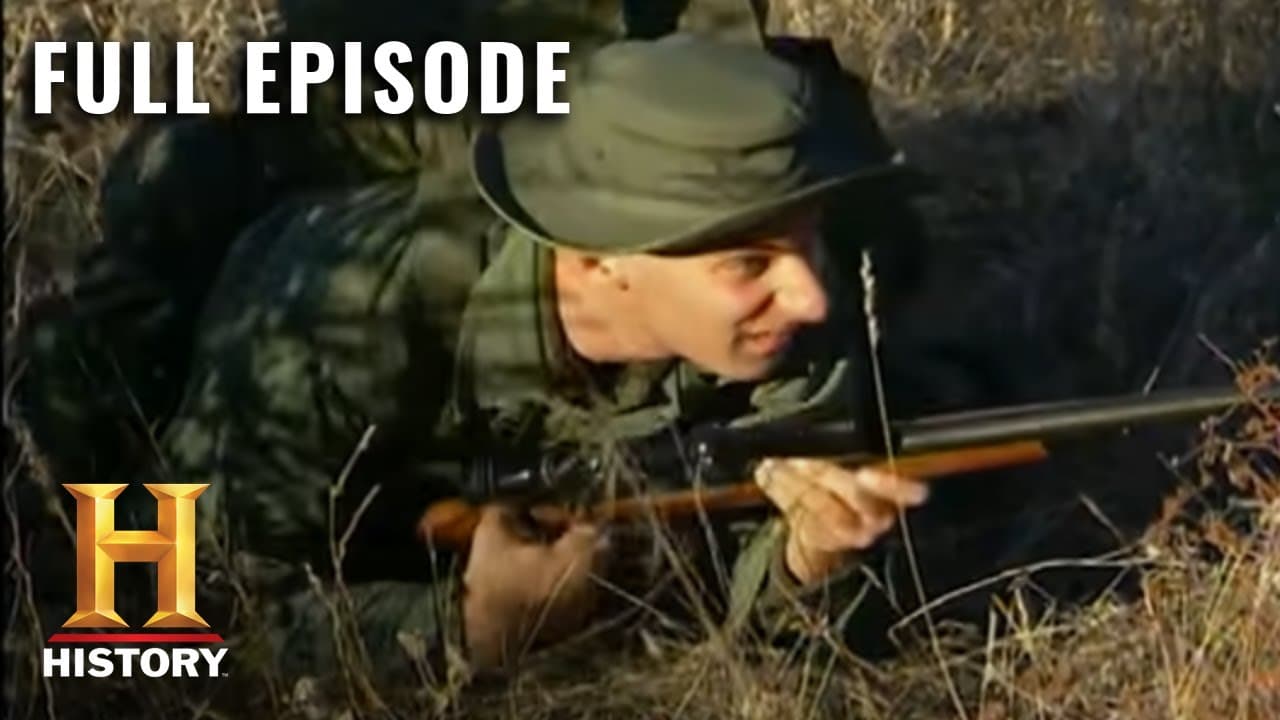
male narrator: HE IS THE SINGLE MOST FEARED AND HATED MAN ON THE BATTLEFIELD, CAN KILL WITH A SINGLE SHOT FROM NEARLY A MILE OR CREEP WITHIN YARDS OF AN ENEMY TARGET, REMAINING VIRTUALLY INVISIBLE. IF DETECTED, HE IS ALWAYS OUTGUNNED. IF CAPTURED, HE IS OFTEN KILLED. HE IS THE ULTIMATE MARKED MAN. MEET THE SNIPER NEXT ON THESE ARE THE UNITED STA... Read More
Key Insights
- Snipers are precision marksmen whose effectiveness depends on accurate shooting, patient movement, concealment, and survival while operating with limited firepower. They can approach close to hostile positions or engage from long range, but detection exposes them to overwhelming retaliation and possible death if captured.
- The term sniper came from the ability to shoot the snipe, a nimble game bird hunted by British soldiers. Early snipers used accurate long rifles to engage enemies at ranges up to 300 yards, creating the terrifying impression of death arriving suddenly and without warning.
- Sharpshooters changed American warfare despite strong moral opposition to their methods. During the American Revolution, British troops regarded concealed riflemen as bushwhackers and murderers, while Continental soldiers also disliked having perceived assassins within their own ranks, even though their precision fire could influence battles.
- Civil War snipers adopted early optical sights and specialized rifles to extend their effectiveness. Union sharpshooters organized by Hiram Berdan used simple magnifying scopes, while Confederate marksmen prized British Whitworth rifles, one of which was credited with killing Union General John Sedgwick at Spotsylvania in 1864.
- German snipers made exposed movement above World War I trenches extremely dangerous by combining training, scoped Mauser rifles, and advanced concealment. Their positions included steel observation trees designed to resemble real battlefield vegetation, forcing British troops to develop protected viewing and counter-sniper methods.
- The ghillie suit works by breaking up the wearer's recognizable outline with netting and attached pieces of cloth. British forces adopted the concept from Scottish gamekeepers in Lovat's Scouts, whose experience stalking targets and catching poachers made them particularly skilled in concealment.
- American sniper capability declined because organized training and development were abandoned after World War I. When World War II began, the remaining foundation came largely from marksmanship programs that had used scoped rifles, leaving forces unable to field enough trained specialists during early Pacific fighting.
- Marine scout snipers developed as two-person teams assigned to move beyond friendly lines, observe enemy positions, and apply precision fire. In the Pacific, their bolt-action rifles offered little firepower against larger enemy forces, so remaining hidden and retaining a route of escape were essential for survival.
Install to Summarize YouTube Videos and Get Transcripts
Explore YouTube Video Summarizer or Get YouTube Transcript Extractor
Questions & Answers
Q: What makes a sniper effective on the battlefield?
A sniper is effective because precise shooting is combined with patience, concealment, careful movement, and an ability to observe hostile territory. The sniper may crawl close to an enemy position or fire from long range, seeking a single decisive shot. This effectiveness carries severe risk because the sniper is usually outgunned, attracts intense retaliation when discovered, and may be killed if captured.
Q: Where did the word sniper come from?
The name sniper came from the snipe, a nimble game bird hunted by British soldiers. A marksman capable of hitting that difficult target demonstrated unusual shooting ability. After accurate long rifles joined muskets as common infantry weapons in the early 18th century, concealed shooters could engage enemies from ranges up to 300 yards and became associated with the term.
Q: Why were early military snipers considered dishonorable?
Early snipers violated prevailing expectations about how soldiers should fight. British troops during the American Revolution expected opposing formations to stand openly in massed ranks and exchange fire at close range. Concealed sharpshooters instead struck without warning, so enemies called them bushwhackers and murderers. Even Continental troops sometimes viewed their own sharpshooters as assassins rather than conventional soldiers.
Q: How did snipers influence the American Civil War?
Both Union and Confederate forces used precision shooters despite the sniper's controversial reputation. Hiram Berdan recruited skilled Union target shooters and organized them into sharpshooter units capable of concentrated accurate fire. Some marksmen used early optical scopes, while Confederate snipers employed prized British Whitworth rifles. At Spotsylvania in 1864, one long-range shot killed Union General John Sedgwick.
Q: How did German snipers dominate early World War I trenches?
German forces entered trench warfare with thousands of trained snipers carrying optically scoped Mauser rifles. They operated along trenches and in shell craters across no-man's-land, making it extremely dangerous for British soldiers to expose themselves. German concealment included carefully camouflaged positions and hollow steel trees that matched real battlefield trees while hiding observation and firing posts inside.
Q: How did British forces respond to German snipers in World War I?
British forces first developed rifles mounted in special frames with periscopes, allowing soldiers to aim over trench walls without exposing their heads. They later formed their own sniper squads and recruited skilled stalkers from Lovat's Scouts. These Scottish gamekeepers brought strong concealment skills and ghillie suits, while British marksmen used scoped .303-caliber Enfield rifles against German positions.
Q: Why was the United States unprepared for sniping in World War II?
The United States forcibly abandoned sniper training and development after World War I because military officers and politicians continued to disapprove of concealed marksmen. When World War II began, only marksmanship programs using scoped rifles preserved part of the needed expertise. Early Pacific forces therefore lacked enough trained snipers to counter Japanese marksmen, forcing ordinary infantrymen to confront them at great risk.
Q: How were Marine scout snipers trained and used in World War II?
The Marines hastily established a sniper school at Green's Farm near San Diego and used the bolt-action Springfield Model 1903 with a ten-power Unertl scope. Candidates learned to make kills at 700 yards or more, although shortages forced some units to select riflemen locally. Scout snipers then worked in two-person teams beyond friendly lines to observe enemy positions and engage targets.
Summary & Key Takeaways
-
Sniping emerged after accurate long rifles enabled concealed marksmen to strike from greater distances than ordinary muskets. During the American Revolution and Civil War, sharpshooters demonstrated that one carefully placed bullet could alter a battle, even as conventional soldiers and officers condemned their hidden methods as dishonorable or murderous.
-
World War I turned sniping into a systematic military discipline. German marksmen initially dominated trench warfare with scoped Mauser rifles, sophisticated camouflage, and concealed positions. Britain responded with periscope-equipped rifles, counter-sniper squads, scoped Enfields, and ghillie suits developed from the concealment practices of Scottish gamekeepers in Lovat's Scouts.
-
The United States abandoned sniper training after World War I and entered World War II critically unprepared. Japanese snipers exploited jungle concealment while ordinary American infantrymen faced the danger. The Marines hastily established schools, issued scoped Springfield rifles, and developed two-person scout-sniper teams for reconnaissance and precision shooting beyond friendly lines.
Read in Other Languages (beta)
Share This Summary 📚
Summarize YouTube Videos and Get Video Transcripts with 1-Click
Try YouTube Summary with ChatGPT & Claude or YouTube Transcript Generator
Explore More Summaries from HISTORY 📚





Summarize YouTube Videos and Get Video Transcripts with 1-Click
Try YouTube Summary with ChatGPT & Claude or YouTube Transcript Generator