How to Loop Through Objections Without Losing Rapport
TL;DR
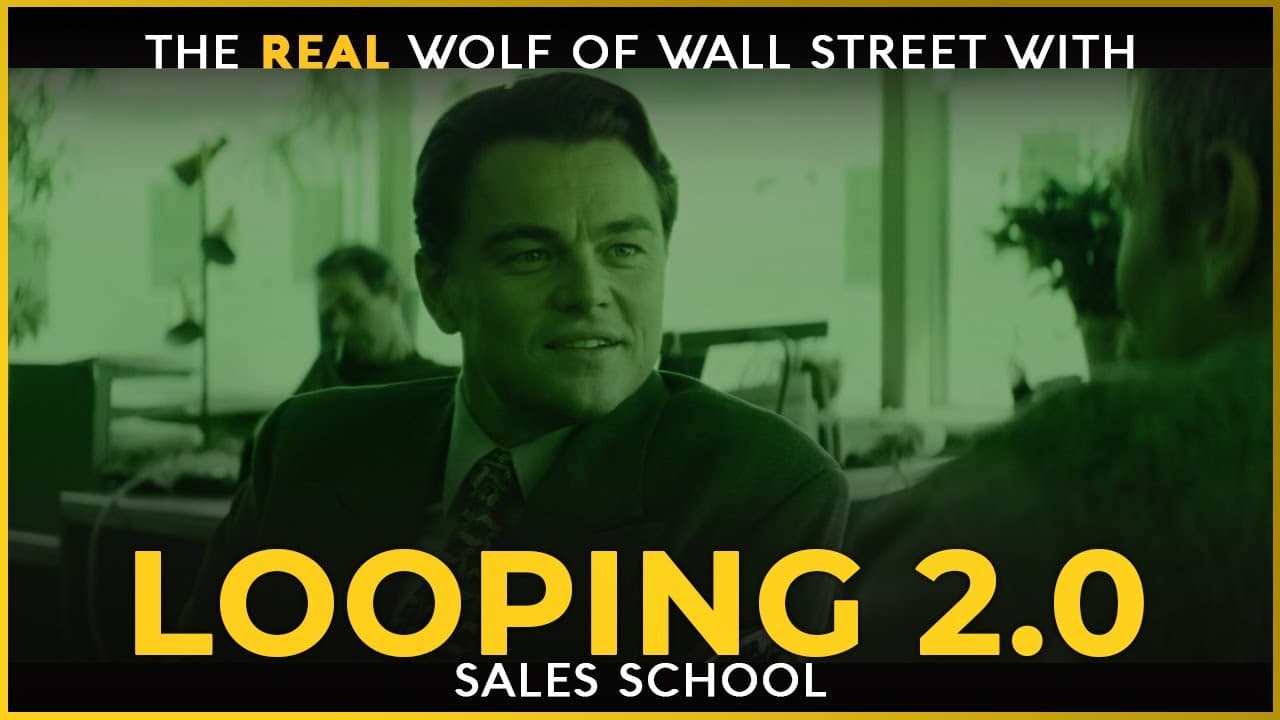
Deflect only the first objection, then use each loop to strengthen the prospect’s certainty in the product, salesperson, and company without damaging rapport. Combine logical arguments with emotional movement through tonality and future pacing, answer later objections directly, and end every loop by asking for the order again.
Transcript
i'm jordan belfort and this is sales school all right short message from my number one sponsor netsuite here's the deal if you're a business owner you don't need them that's me to tell you it's tough to run a business because it is right we all know that don't let quickbooks and spreadsheets slow you down anymore now is the time to upgrade to netsu... Read More
Key Insights
- Looping is a method for raising a prospect’s certainty in the product, the salesperson, and the company. Its overarching rule is that every language pattern, tonal choice, body movement, and degree of pressure must preserve rapport throughout the conversation.
- A sale requires high logical and emotional certainty about the product. Logical certainty comes from the salesperson’s case, including costs, benefits, features, and competitive comparisons, while emotional certainty develops through tonality and an imagined experience of receiving the product’s benefits.
- The first objection should be deflected rather than answered directly. The salesperson acknowledges what the prospect said, then asks whether the idea makes sense or whether the prospect likes it, redirecting the conversation toward the prospect’s certainty about the product.
- Paste, paste, lead works by initially matching the prospect’s emotional level and then gradually introducing greater enthusiasm and certainty through tonality. This progression is intended to move the prospect emotionally without relying on overt pressure or disrupting rapport.
- Future pacing is an emotional technique that asks prospects to imagine themselves using the product after purchasing it. The salesperson paints a picture of the prospect receiving the benefit, regaining control, and experiencing relief from the pain that motivated the buying conversation.
- A loop should end with another request for the order. After strengthening certainty in the product, the salesperson transitions to patterns supporting personal credibility and company credibility, then asks for the sale again to determine whether uncertainty or another objection remains.
- Later objections should be answered calmly and directly because deflection is reserved for the first objection. Prospects may change from one objection to another, such as moving from needing time to think toward needing to consult a partner, a pattern described as objection hopping.
- A rebuttal gives the salesperson the right to continue the conversation but does not close the sale on its own. Continued looping requires prepared patterns that rebuild certainty, maintain rapport, and create another appropriate opportunity to ask for the order.
Install to Summarize YouTube Videos and Get Transcripts
Explore YouTube Video Summarizer or Get YouTube Transcript Extractor
Questions & Answers
Q: How do you use looping without ruining sales rapport?
Use every looping pattern with the requirement that rapport must remain intact. Avoid language, tonality, body language, or pressure that corners the prospect or creates a contest of wills. Acknowledge the prospect’s concern, redirect the first objection toward certainty, match the prospect’s tone, and gradually lead toward greater confidence before asking for the order again.
Q: What are the three areas of certainty in sales looping?
The three areas are certainty in the product, certainty in the salesperson, and certainty in the company. The prospect must reach a high level of confidence in these areas before agreeing to buy. Looping strengthens each area with prepared patterns, beginning with the product and then transitioning toward the salesperson and the company before another request for the order.
Q: How should a salesperson handle the first objection?
The first objection should be acknowledged and deflected toward a question about the product or idea. If the prospect wants to think, consult a spouse, or receive more information, the salesperson can say that the concern is understood and then ask whether the idea makes sense or whether the prospect likes it. This reveals the prospect’s current product certainty.
Q: Why should later sales objections be answered directly?
Deflection is intended only for the first objection. After the salesperson completes a loop and asks for the order again, a new objection should be addressed calmly and directly with an appropriate rebuttal. The rebuttal does not close the deal by itself. It allows the salesperson to continue speaking, rebuild certainty through another pattern, and ask for the order again.
Q: What is paste, paste, lead in a sales conversation?
Paste, paste, lead begins by matching the prospect’s current emotional level and tonality. When a prospect responds with moderate interest, the salesperson initially answers at that same level, continues with similar tonality, and then gradually adds bottled enthusiasm and certainty. The words support logical understanding, while the changing tonality is intended to produce stronger emotional certainty without pressure.
Q: How does future pacing increase emotional certainty?
Future pacing paints a picture of the prospect after purchasing and using the product. Through words, tonality, and body language, the salesperson helps the prospect imagine receiving the benefit, feeling good, regaining control, and experiencing relief from an existing pain. That imagined outcome creates emotional certainty, which complements the logical case made through features, benefits, costs, and comparisons.
Q: What is objection hopping in sales?
Objection hopping occurs when a prospect gives a different objection after the salesperson completes a loop and asks for the order again. For example, the prospect may first say that more time is needed and later say that a partner must be consulted. The approach presented is to deflect only the first objection, then answer each later objection directly and calmly.
Q: How should sales looping patterns be prepared?
Prepare multiple strong patterns for each of the three certainty areas: the product, the salesperson, and the company. The initial presentation establishes the first logical case but does not count as one of those looping patterns. Adapt the wording to the specific product and industry, while preserving the purpose of each pattern and ending every completed loop with another request for the order.
Summary & Key Takeaways
-
Looping is designed to increase certainty in three areas: the product, the salesperson, and the company. Every word, tonal choice, gesture, and degree of pressure must preserve rapport. Tactics that corner prospects or create a contest of wills fail because they do not address the underlying lack of certainty.
-
The first objection should be acknowledged and deflected with a question about whether the prospect likes the idea or believes it makes sense. The salesperson then uses matching tonality, logical evidence, and emotional future pacing to strengthen certainty before transitioning through the salesperson and company cases and asking for the order again.
-
Later objections should be answered directly and calmly rather than repeatedly deflected. A rebuttal earns permission to continue speaking but does not close the sale by itself. Effective preparation requires several strong looping patterns for the product, salesperson, and company, with language adapted to the specific product and industry.
Read in Other Languages (beta)
Share This Summary 📚
Summarize YouTube Videos and Get Video Transcripts with 1-Click
Try YouTube Summary with ChatGPT & Claude or YouTube Transcript Generator
Explore More Summaries from The Wolf of Wall Street 📚





Summarize YouTube Videos and Get Video Transcripts with 1-Click
Try YouTube Summary with ChatGPT & Claude or YouTube Transcript Generator