How Can Webmasters Improve SEO and Handle Manual Actions?
TL;DR
Webmasters can improve their SEO and address manual actions by focusing on high-quality content, ensuring proper use of hreflang tags for multilingual sites, and refining crawl budgets by reducing duplicate URLs. It's important to use server-side solutions for test sites to prevent indexing issues and to make substantial improvements when recovering from manual actions.
Transcript
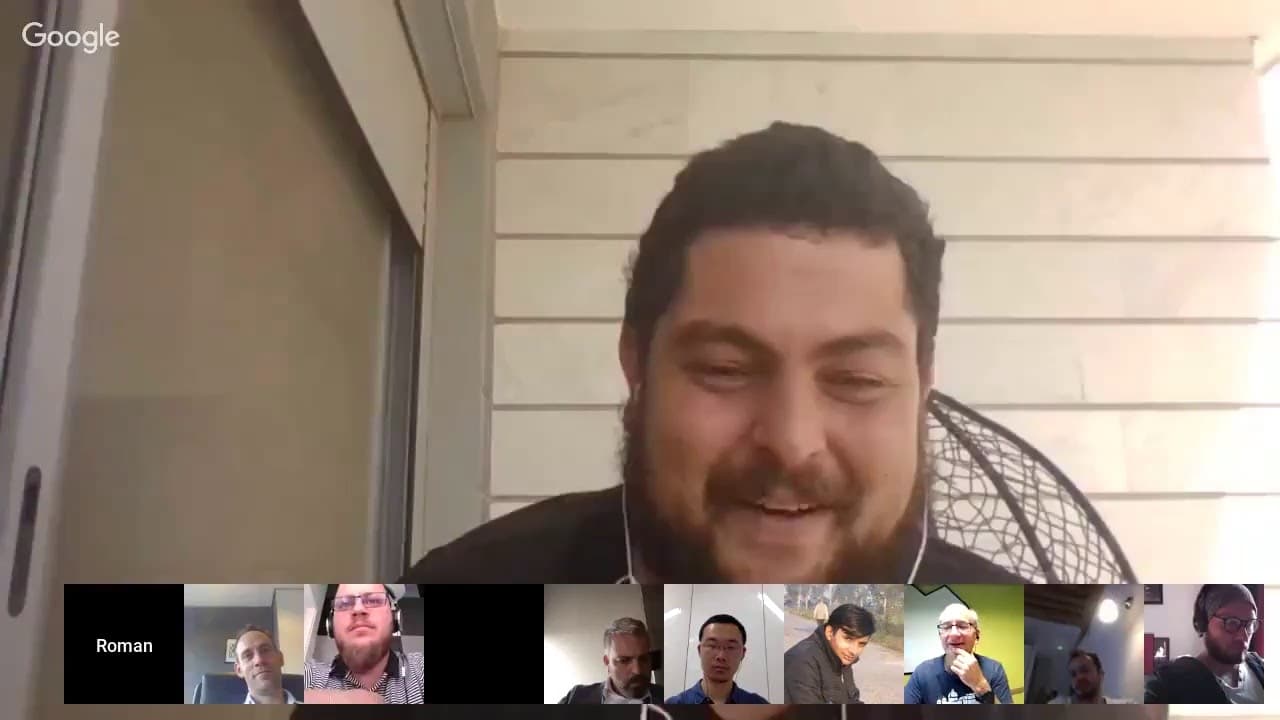
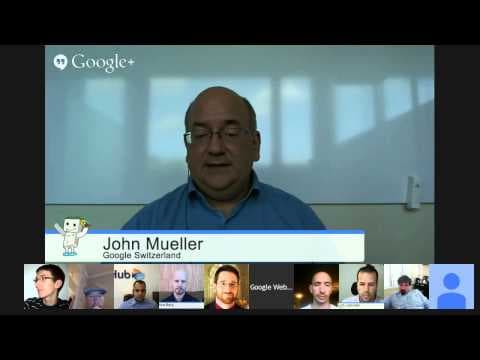
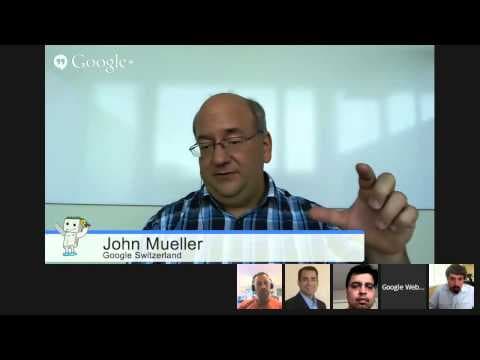
JOHN MUELLER: All right. Welcome, everyone, to today's Webmaster Central Office Hours Hangouts. My name is John Mueller. I'm a Webmaster Trends Analyst here at Google in Switzerland. And part of what we do are these Office Hour Hangouts, where people can jump in and ask any web search, website related question that we can help out with. As always, ... Read More
Key Insights
- John Mueller clarifies that site links are automatically generated by Google and cannot be manually controlled by webmasters.
- Issues with ranking for brand names may arise due to historical domain issues or competition, not necessarily penalties.
- Duplicate content across subdomains is not penalized but may result in only one version being shown in search results.
- The URL parameter tool in Search Console helps refine crawling but doesn't remove URLs from search results.
- For multilingual sites, hreflang tags should be used carefully to ensure Google understands language-specific content.
- Manual actions require significant content improvements, not just minor updates, to be reconsidered by Google.
- Infographics can enhance user experience but should not replace text content for SEO purposes.
- Crawl budget issues can arise from duplicate content or unnecessary URL variations, affecting indexing efficiency.
Install to Summarize YouTube Videos and Get Transcripts
Explore YouTube Video Summarizer or Get YouTube Transcript Extractor
Questions & Answers
Q: How can I control site links in Google search results?
Site links are automatically generated by Google's algorithms based on relevance and site structure. Webmasters cannot directly control which links appear, but they can influence them by improving site navigation and ensuring important pages are easily accessible. Consistent and clear internal linking can help guide Google's understanding of site hierarchy.
Q: Why is my site not ranking for its own brand name?
There could be various reasons for this issue, such as historical domain problems, competition for generic terms, or insufficient site authority. Ensure there are no manual actions in Search Console and that the site content is optimized for the brand name. It's also important to build strong, relevant backlinks and provide unique, valuable content.
Q: What should I do about duplicate content on my multilingual site?
Duplicate content across multilingual sites can be managed using hreflang tags to specify language and regional targeting. Ensure each language version is properly linked and described in sitemap files. Google might index only one version, but hreflang helps deliver the correct version to users based on language preference.
Q: How does the URL parameter tool in Search Console work?
The URL parameter tool helps Google understand how different URL parameters affect page content, improving crawl efficiency. It does not remove URLs from search results but guides Google on which URLs to prioritize or ignore. This tool is useful for large sites with complex URL structures to manage crawl budget effectively.
Q: How can I recover from a manual action on my website?
Recovering from a manual action requires addressing the issues specified in the notification, such as removing low-quality content or unnatural links. Significant improvements are necessary, not just minor updates. After making changes, submit a reconsideration request explaining the actions taken to resolve the issues.
Q: Are infographics beneficial for SEO?
Infographics can enhance user engagement by presenting information visually, but they should complement, not replace, text content. Google cannot read text within images, so important information should be included in the page's HTML. Infographics can attract backlinks and social shares, indirectly benefiting SEO.
Q: What causes crawl budget issues on large sites?
Crawl budget issues often arise from duplicate content, unnecessary URL variations, or technical barriers like blocked resources. To optimize crawl budget, ensure URLs are clean and canonicalized, avoid excessive parameter usage, and allow Googlebot to access necessary resources like CSS and JavaScript files.
Q: Why doesn't the URL inspection tool work for images?
The URL inspection tool is designed for web pages, not images. It may show a blocked by robots.txt message for images, but this indicates the tool's limitation, not an actual block. To check if images are indexed, ensure they are visible in the rendered view of their landing pages and accessible to Googlebot.
Summary & Key Takeaways
-
John Mueller hosts a Google Webmaster Central office hours hangout, addressing various web-related queries. Participants inquire about site link issues, ranking difficulties, and duplicate content concerns. Mueller emphasizes focusing on site content quality and proper use of Google tools.
-
Mueller advises webmasters on handling multilingual sites, ensuring correct hreflang usage, and addressing crawl budget concerns. He highlights the importance of server-side solutions for test sites to prevent accidental indexing.
-
The session covers manual action recovery, with Mueller stressing the need for substantial content improvements. He also discusses the role of infographics in user engagement and the importance of maintaining text content for SEO.
Read in Other Languages (beta)
Share This Summary 📚
Summarize YouTube Videos and Get Video Transcripts with 1-Click
Try YouTube Summary with ChatGPT & Claude or YouTube Transcript Generator
Explore More Summaries from Google Search Central 📚
Summarize YouTube Videos and Get Video Transcripts with 1-Click
Try YouTube Summary with ChatGPT & Claude or YouTube Transcript Generator