What Is a Toxic Culture and How Does It Affect Health?
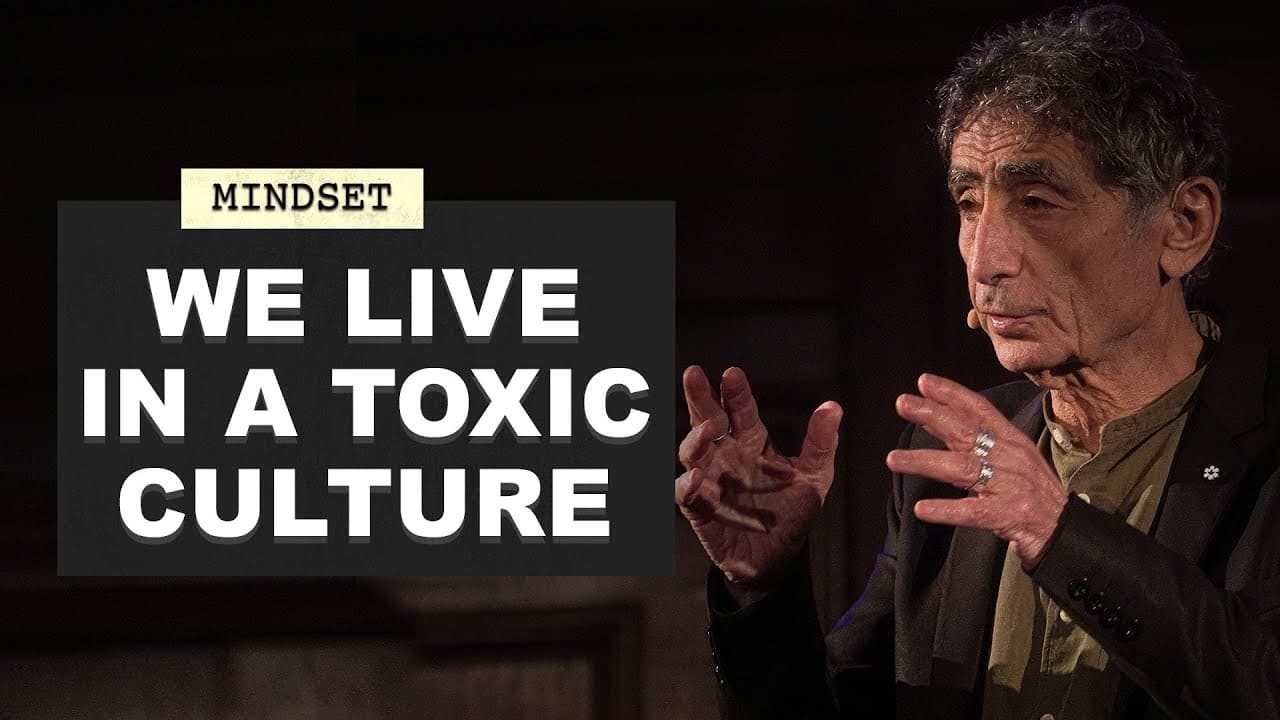
TL;DR
A toxic culture negatively impacts health by normalizing harmful societal norms and contributing to illness and trauma. Illness is not just a genetic misfortune; it often results from societal factors like inequalities and a lack of supportive parenting. Early childhood experiences and unmet needs significantly affect individual well-being, highlighting the need for a reevaluation of what we consider 'normal.'
Transcript
thank you good morning everyone thank you so much for turning out um welcome to the how to Academy and penguin live um it's my enormous pleasure to be able to talk this morning to someone who you may not know double mate um as you all know um is a doctor he's the author of several best-selling books including his new one the myth of the normal whic... Read More
Key Insights
- 🫒 Illness in our society is not just due to genetics or random misfortune, but also a result of the toxic culture we live in.
- ❓ The assumption that what is normal is also healthy and natural is dangerous and false.
- 🎚️ Inequality and societal prejudices contribute to the toxic culture, causing harm to individuals on both individual and social levels.
- 🥳 Early childhood experiences, including pregnancy, birth, and parenting, have a significant impact on individuals' health and well-being.
- 🥺 Our society often ignores and suppresses parenting instincts, leading to negative consequences for child development.
- 😷 The obsession with health in our society is ironic, considering the prevalence of illness and the inadequacy of the normal medical hypothesis.
- 🖐️ Cultural factors and societal norms play a role in contributing to people's illnesses and traumas.
Install to Summarize YouTube Videos and Get Transcripts
Explore YouTube Video Summarizer or Get YouTube Transcript Extractor
Questions & Answers
Q: What does the speaker mean by a toxic culture?
The speaker compares a toxic culture to a culture of microorganisms in a lab, where the organisms struggle and suffer. They argue that our society is similar, with harmful factors that undermine people's health.
Q: How does the notion of a normal culture contribute to illness?
The speaker suggests that viewing illness as abnormal and random misfortune ignores the role of societal factors. They argue that our way of life and societal norms can actually contribute to people's illnesses.
Q: Why does the speaker focus on early childhood experiences?
The speaker believes that the formative years, including pregnancy and birth, play a crucial role in individuals' health and development. They discuss the impact of stressors during pregnancy and the interventions and practices surrounding childbirth.
Q: How does the toxic culture affect parenting?
The speaker explains that our society undermines parenting instincts and promotes harmful advice, such as letting babies cry it out. They argue that we need to support and nurture parenting instincts for healthy child development.
Summary & Key Takeaways
-
The speaker discusses the concept of a toxic culture and how it negatively affects people's health and well-being.
-
They question the assumption that what is considered normal in society is healthy and natural, highlighting the dangers of this belief.
-
The importance of early childhood experiences and the impact they have on individuals' health and development is emphasized.
Read in Other Languages (beta)
Share This Summary 📚
Summarize YouTube Videos and Get Video Transcripts with 1-Click
Try YouTube Summary with ChatGPT & Claude or YouTube Transcript Generator
Explore More Summaries from How To Academy Mindset 📚





Summarize YouTube Videos and Get Video Transcripts with 1-Click
Try YouTube Summary with ChatGPT & Claude or YouTube Transcript Generator