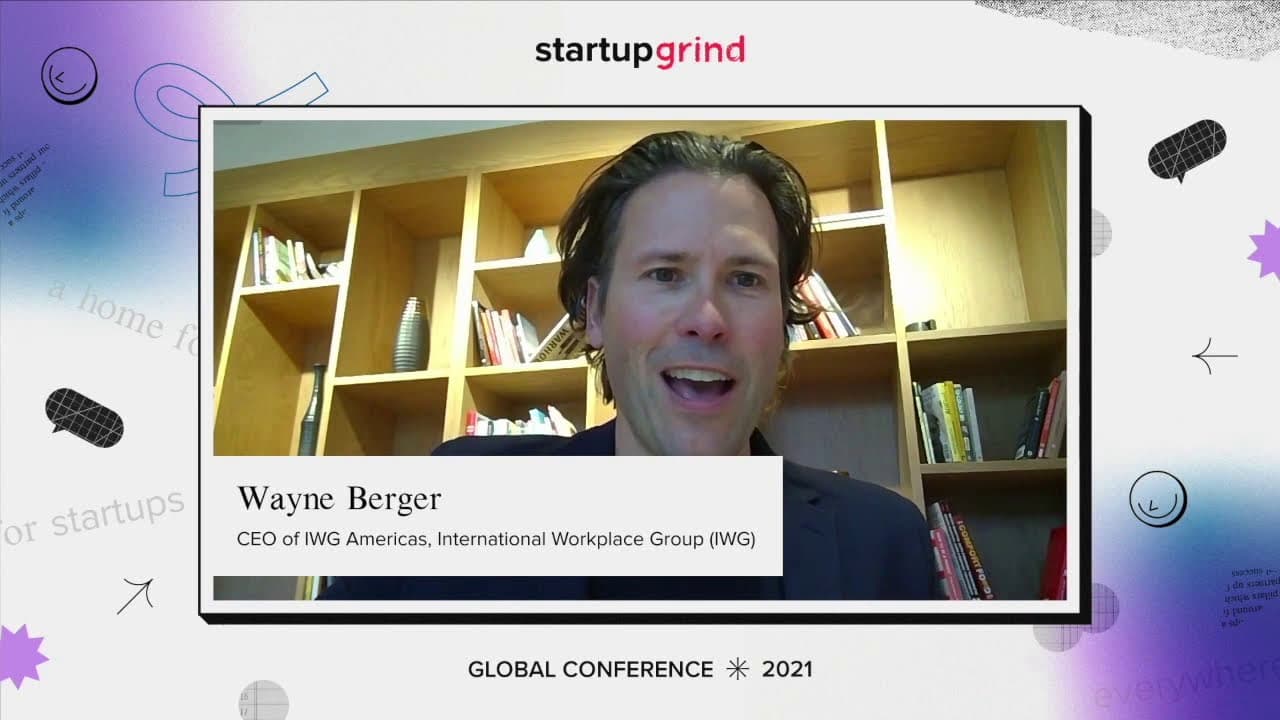
Hybrid Working and the Ubiquity of Space with Wayne Berger, CEO of IWG Americas
TL;DR
Hybrid work is becoming the future of work because technology, worker preferences, environmental priorities, and economics are making work from anywhere practical. Wayne Berger, CEO of IWG Americas, notes that 52% of U.S. workers prefer a hybrid model and 81% of companies expect remote working to become the new norm after the pandemic. Read on for the evidence, benefits, challenges, and business implications behind this shift.
Transcript
my goal is to try to help support you in your journey how can i help you with leaving some valuable knowledge or tools that you can use to help continue to build your successful startup i want to help by sharing some great information provide a clear picture of the future one that could help you deploy your business successfully help you consider n... Read More
Key Insights
- 💦 The work-from-anywhere trend is not temporary but represents a permanent shift in workplace dynamics.
- 💨 Technology, such as real-time data sharing, fast internet speeds, and AI automation, is facilitating seamless remote collaboration.
- 💦 Hybrid working models offer flexibility, work-life balance, and increased productivity.
- 💦 The environment and sustainability are becoming crucial considerations in the future of work.
- 💦 Companies are adapting their policies to accommodate hybrid working and attract top talent.
- 👨💼 Remote work can lead to significant cost savings for businesses by eliminating traditional office leases.
- 💦 Challenges of remote work include internet connectivity issues and potential distractions.
Install to Summarize YouTube Videos and Get Transcripts
Explore YouTube Video Summarizer or Get YouTube Transcript Extractor
Questions & Answers
Q: Why is hybrid working becoming the future of work?
Hybrid working is becoming the future of work because four forces are driving the shift: technology, people, the environment, and economics. The pandemic’s work-from-home period demonstrated that people can remain productive and inspired while working remotely or in a mobile environment.
Q: What does Wayne Berger mean by the ubiquity of work and workplace?
Ubiquity means workers will be able to accomplish their daily goals wherever they need to and at whatever time of day. Berger pairs this idea with choice, contrasting flexible work with the traditional nine-to-five model centered on one location.
Q: What are the four key drivers of the work-from-anywhere future?
The four drivers are technology, people, the environment, and economics. Technology enables digital collaboration, people value hybrid work, environmental concerns are becoming a critical focus, and flexible arrangements can help businesses manage cash flow.
Q: How does technology support hybrid and remote work?
Real-time data sharing, fast internet speeds, 5G, connected devices, Microsoft Teams, Zoom, AI, and automation support digital collaboration. The transcript says 31 billion devices were interconnected globally in 2020 and projects 62 billion over the following three and a half years.
Q: How many U.S. workers prefer a hybrid working model?
The transcript states that 52% of U.S. workers would prefer a hybrid working model. It also reports that 82% of U.S. professionals have used flexible working options.
Q: What productivity evidence supports remote working?
According to the transcript, 40% of organizations saw employee productivity increase after optimizing a remote working model. Berger also says the work-from-home period showed that people can work effectively and productively in mobile and remote environments.
Q: How can flexible working help businesses preserve cash and attract talent?
Organizations can free capital and preserve cash by moving away from traditional long-term leases and using desirable, productive, affordable, and flexible workspace arrangements. Flexible working solutions can also help companies attract and retain top talent.
Q: What challenges can employees face when working from home?
Internet connectivity and household distractions are two stated challenges. The transcript says 60% of people struggled with connectivity issues, while 30% found that family members, partners, housemates, or multigenerational households created distractions during the workday.
Summary & Key Takeaways
-
The pandemic has accelerated existing workplace trends, leading to a work-from-anywhere future and a shift towards hybrid working models.
-
Technology, including real-time data sharing, fast internet speeds, and AI automation, is enabling seamless digital collaboration and remote work.
-
People are driving the change towards hybrid working, valuing the flexibility, productivity, and work-life balance it offers.
Read in Other Languages (beta)
Share This Summary 📚
Summarize YouTube Videos and Get Video Transcripts with 1-Click
Try YouTube Summary with ChatGPT & Claude or YouTube Transcript Generator
Explore More Summaries from Startup Grind 📚



Summarize YouTube Videos and Get Video Transcripts with 1-Click
Try YouTube Summary with ChatGPT & Claude or YouTube Transcript Generator