What Are the Implications of the Gig Economy on Work?
TL;DR
The gig economy, characterized by short-term contracts and flexible jobs through platforms like Uber, is rapidly expanding but often lacks essential worker benefits and job security. Concurrently, automation and AI threaten traditional employment, leading to heightened anxiety about future job prospects. To address these challenges, a rethinking of social safety nets and workplace policies is essential.
Transcript
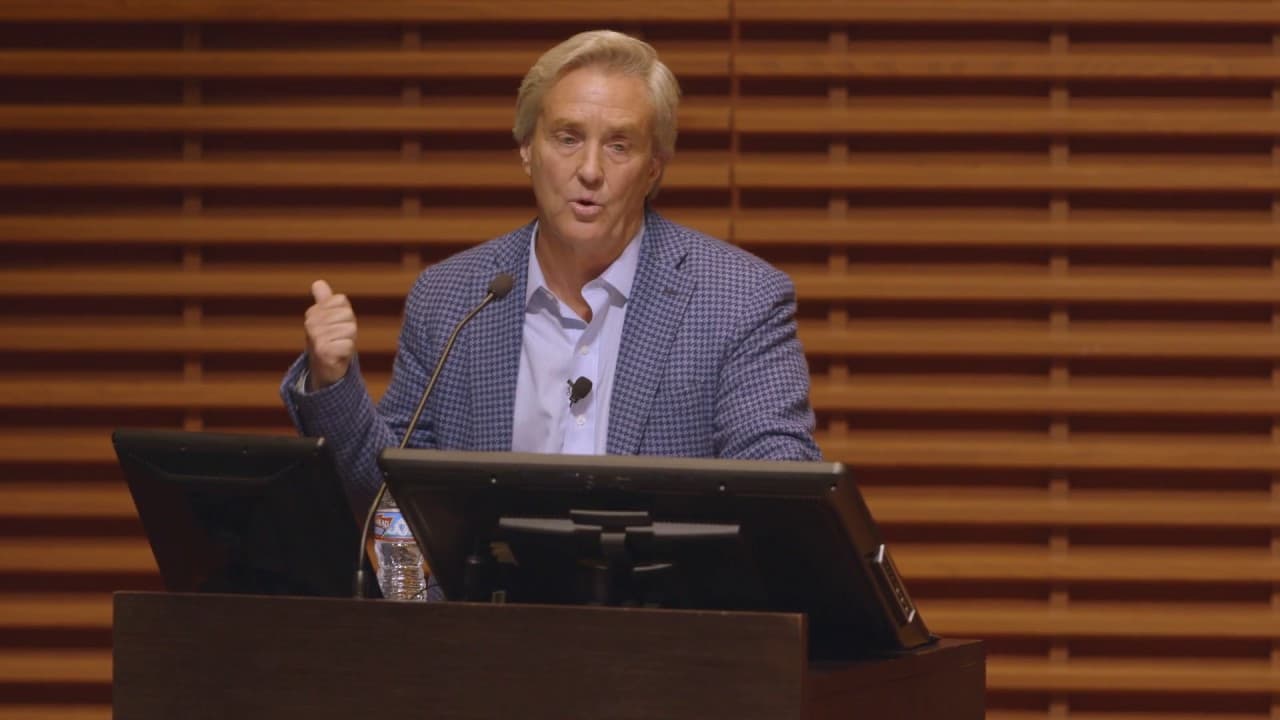
[APPLAUSE] Good evening, everyone. Ladies and gentlemen, we are two weeks from the US Presidential Election. [APPLAUSE] Our topic tonight is The Future of Work, or Tomorrow's Workplace. If you watched the third Presidential Debate last week, you would have heard moderator, Chris Wallace, ask both candidates about jobs and economic growth. Hillary C... Read More
Key Insights
- 🖤 The changing nature of work, including the gig economy and automation, presents challenges such as job insecurity and lack of benefits.
- 😰 The political landscape is shaped by divisions between the despondent, who feel left behind and anxious about the future, and the ascendant, who represent demographic and economic growth.
- 🥺 California has the potential to lead in addressing the challenges of the changing labor market and has already implemented initiatives like education accounts and the exploration of a universal basic income.
- 🫸 Social movements play a role in pushing for change and inspiring broader political action, particularly in issues related to racial justice and immigrant rights.
Install to Summarize YouTube Videos and Get Transcripts
Explore YouTube Video Summarizer or Get YouTube Transcript Extractor
Questions & Answers
Q: What are the political implications of the changing nature of work?
The changing landscape of work is driving anxiety and division in politics, with the rise of populist movements and a focus on issues like immigration and trade deals.
Q: How can the gig economy and the rise of automation be addressed?
Some suggest implementing a portable, prorated, and universal social safety net, which would ensure workers have benefits and protections regardless of their job status. Additionally, there are ongoing debates about the implementation of a universal basic income.
Q: Is California leading the way in addressing the challenges of the changing labor market?
California has been at the forefront of discussions on various issues related to work, such as education accounts for children and the exploration of a universal basic income. However, it is important to note that there are both progressive and business-oriented factions within the state's Democratic Party.
Q: What role do social movements play in addressing the challenges of the changing labor market?
Social movements, such as Black Lives Matter and immigrant rights groups, have forced important conversations and policy changes. They often push for big, bold ideas that challenge the status quo and can inspire broader political action.
Summary & Key Takeaways
-
The labor market is undergoing significant changes, with the gig economy and automation playing major roles.
-
The gig economy, including platforms like Uber and TaskRabbit, is growing rapidly but comes with challenges such as lack of benefits and job security.
-
Automation, robots, and artificial intelligence pose a potential threat to traditional jobs, requiring a need for rethinking the workplace.
Read in Other Languages (beta)
Share This Summary 📚
Summarize YouTube Videos and Get Video Transcripts with 1-Click
Try YouTube Summary with ChatGPT & Claude or YouTube Transcript Generator
Explore More Summaries from Stanford 📚






Summarize YouTube Videos and Get Video Transcripts with 1-Click
Try YouTube Summary with ChatGPT & Claude or YouTube Transcript Generator