English Common questions & Myths Google Webmaster Central office-hours hangout
TL;DR
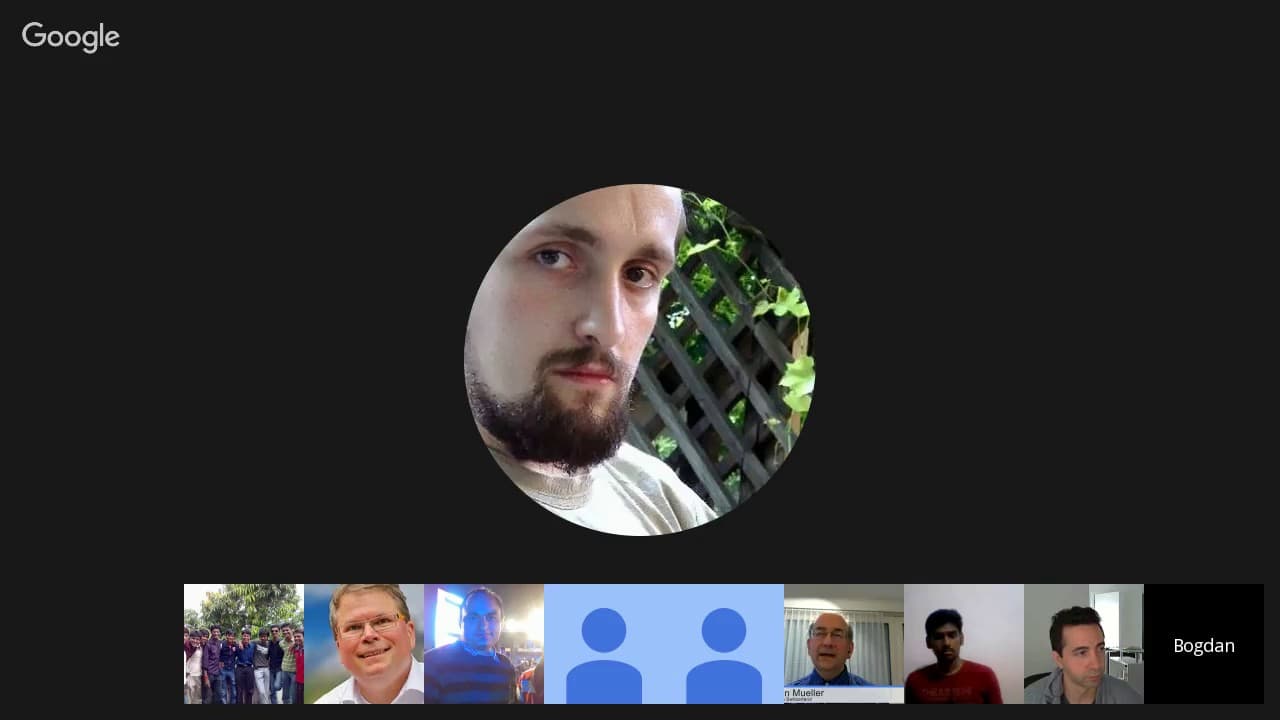
John Mueller debunks common Google Webmaster myths and answers FAQs.
Transcript
all right welcome everyone to today's Google webm central office hours Hangouts uh my name is John Mueller I'm a webmas Trends analyst here at Google in Switzerland and part of what I do is uh these Web Master Hangouts together with uh web Masters and Publishers uh like like the ones here in the hangout today and the ones that submitted a bunch of ... Read More
Key Insights
- Google aims to provide accurate information about website technicalities, and it's a myth that they share misleading information.
- The switch to mobile-first indexing may require technical changes, and Google advises on best practices ahead of time.
- The Help Center is the most reliable source for current information, though blog posts may not always be updated.
- Duplicate content and crawl errors are often misunderstood; they don't necessarily harm a site's ranking.
- JavaScript and single-page apps are not inherently bad for SEO as Google can render and index them effectively.
- Using structured data and AMP can enhance user experience but are not direct ranking factors.
- Outbound links are not mandatory for ranking, and affiliate sites are not inherently penalized.
- Site speed optimizations are more about user experience than directly affecting rankings.
Install to Summarize YouTube Videos and Get Transcripts
Explore YouTube Video Summarizer or Get YouTube Transcript Extractor
Questions & Answers
Q: How does Google handle announcements about future changes?
Google discusses technical setups and potential changes well in advance of any official announcements. This ensures webmasters can prepare for transitions like mobile-first indexing, which may require technical adjustments. Google only announces changes once they are certain and ready to be implemented.
Q: What is the role of the Help Center in providing information?
The Help Center serves as the most reliable source for current Google Webmaster information. While blog posts reflect the state at the time of writing, they may not always be updated. The Help Center is continuously updated to ensure webmasters have access to accurate and current guidelines.
Q: Is duplicate content a major issue for website ranking?
Duplicate content is often misunderstood; it does not inherently harm a website's ranking. Google's systems can handle duplicate content effectively, especially common scenarios like www vs. non-www or HTTP vs. HTTPS. It only becomes problematic for very large sites where it can hinder crawling efficiency.
Q: Can JavaScript and single-page apps affect SEO negatively?
No, JavaScript and single-page apps are not inherently bad for SEO. Google can render and index them similarly to how a browser would. However, webmasters should ensure that their JavaScript and single-page apps are implemented in a way that allows Google to access and index the content properly.
Q: Do structured data and AMP affect Google rankings?
Structured data and AMP are not direct ranking factors. They enhance user experience by providing rich snippets and faster loading times, respectively. While they don't directly influence rankings, they can improve user engagement and click-through rates, indirectly benefiting a site's performance.
Q: Are outbound links necessary for ranking?
Outbound links are not a requirement for ranking. While they can provide additional value to users, simply adding high-quality outbound links does not automatically increase a page's quality or ranking. The focus should be on providing valuable and relevant content to users.
Q: How does Google view affiliate sites?
Google does not inherently penalize affiliate sites. However, sites that merely reformat affiliate feeds without adding value may be considered thin content. Affiliate sites should aim to provide additional value beyond the affiliate content to be considered useful and relevant.
Q: How important is site speed for Google rankings?
Site speed is more about user experience than directly affecting rankings. Google differentiates between sites that are extremely slow and those that are reasonably fast. While faster sites can enhance user experience and engagement, minor speed improvements do not directly boost rankings.
Summary & Key Takeaways
-
John Mueller addresses common myths about Google Webmaster practices, emphasizing the reliability of information shared by Google. He highlights the importance of mobile-first indexing and clarifies misconceptions about duplicate content and crawl errors.
-
JavaScript and single-page applications are not detrimental to SEO as Google can render them effectively. Structured data and AMP improve user experience but don't directly influence rankings. Outbound links are optional, and affiliate sites are not penalized by default.
-
Site speed is crucial for user experience but not a direct ranking factor. Mueller advises focusing on providing valuable content and ensuring a technically sound website to enhance user engagement and satisfaction.
Read in Other Languages (beta)
Share This Summary 📚
Summarize YouTube Videos and Get Video Transcripts with 1-Click
Try YouTube Summary with ChatGPT & Claude or YouTube Transcript Generator
Explore More Summaries from Google Search Central 📚




Summarize YouTube Videos and Get Video Transcripts with 1-Click
Try YouTube Summary with ChatGPT & Claude or YouTube Transcript Generator