How New York Primaries Could Reshape Democrats
TL;DR
New York congressional races suggest Democrats may need a new approach to technology, immigration, public safety, identity, and generational change. Alex Bores argues for strong AI safeguards, a possible development pause, and public stakes in frontier labs, while Darializa Avila Chevalier’s campaign challenges the party establishment and seeks to move beyond the “woker than thou” politics associated with 2020.
Transcript
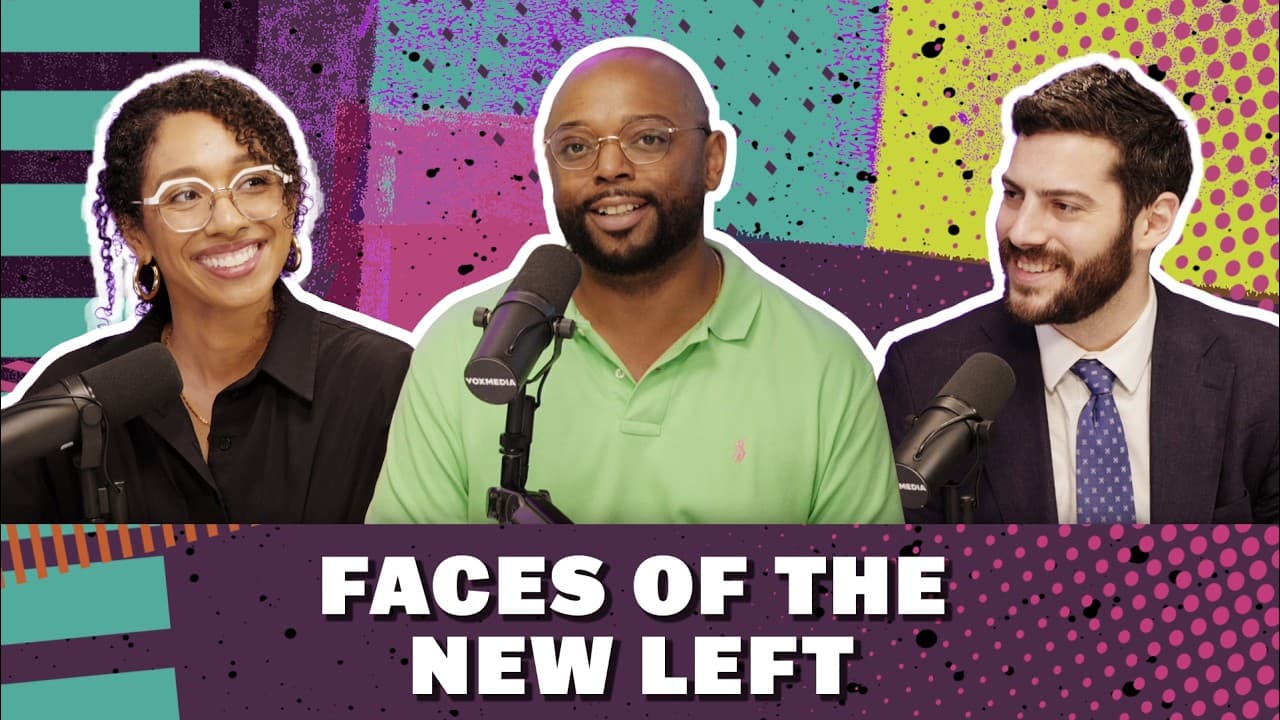
You can argue that the New York congressional primaries are the most important primaries in all of the country, and that's not just because us New Yorkers think we're the center of the universe. The races that are happening here are highlighting issues that are sure to come up in next year's presidential primary on tech, on immigration, on policing... Read More
Key Insights
- New York congressional primaries are nationally relevant because their debates over technology, immigration, policing, identity, and representation anticipate issues likely to arise in the next presidential primary and could shape the Democratic Party’s immediate direction.
- Alex Bores is targeted by Leading the Future, a super PAC that he describes as backed by Trump mega-donors, after becoming a prominent advocate for AI oversight and passing what he calls the country’s strongest AI safety law.
- Technical expertise is central to Bores’s case for office because he argues that lawmakers must understand AI systems, data practices, and government contracts to regulate corporations effectively and update privacy protections that he says are decades overdue.
- Bores’s break with Palantir was driven by its work with ICE because he viewed the use of software for civil immigration deportations as a moral red line, distinct from earlier projects involving trafficking, counterfeiting, epidemics, veterans, and financial misconduct.
- An AI moratorium could reduce risks from rapidly advancing systems, according to Bores, but unilateral action could create competitive disadvantages. He argues that international cooperation remains possible on verification, alignment research, and basic safeguards, even where strategic competition continues.
- Public ownership proposals are intended to give Americans a financial stake in AI development. Bores describes his AI dividend as insurance against uncertain labor-market disruption while expressing concern about granting the Trump administration full control over frontier AI laboratories.
- Darializa Avila Chevalier’s campaign represents a challenge to the Democratic establishment through its emphasis on generational change, representation, foreign policy, immigration, public safety, and the relationship between local government spending and warfare abroad.
- Democratic messaging can alienate voters when political debate becomes a contest to appear more ideologically pure. The discussion presents moving beyond the “woker than thou” rhetoric associated with 2020 as important to navigating the future of the left.
Install to Summarize YouTube Videos and Get Transcripts
Explore YouTube Video Summarizer or Get YouTube Transcript Extractor
Questions & Answers
Q: Why do New York congressional primaries matter nationally?
New York’s congressional primaries matter beyond their districts because they concentrate several disputes facing the Democratic Party: AI regulation, technology industry power, immigration enforcement, policing, identity, representation, and generational change. The candidates’ approaches could preview arguments in the next presidential primary and test whether Democrats can combine progressive principles with messages that remain persuasive to voters who dislike ideological posturing.
Q: Why is a technology super PAC targeting Alex Bores?
Alex Bores says Leading the Future, a super PAC backed by Trump mega-donors, selected him as its leading enemy and intended to spend whatever was necessary to defeat him. He interprets the campaign as an effort to warn elected officials that regulating AI’s effects on children, employment, and the environment could bring political destruction, making his congressional race a test of that strategy.
Q: How does Alex Bores’s technology background influence his AI policy?
Bores says his computer science education and previous work at Palantir help him understand technology, data systems, and government contracts. He argues that this expertise allows him to design protections without treating innovation as inherently good or bad. His stated goal is to shape technology so it serves most Americans, including through AI safety legislation and an overdue federal privacy framework.
Q: Why did Alex Bores leave Palantir?
Bores says he left after Palantir’s software moved toward use in civil immigration enforcement under the Trump administration. He distinguished that activity from earlier work involving human trafficking, drug trafficking, counterfeiting, public health, veterans, and financial misconduct. Deportation work with ICE became his moral red line, and he says he gave up roughly two million dollars in unvested stock options by leaving.
Q: What work did Alex Bores perform at Palantir?
Bores says he worked on civilian federal projects during the Obama administration. His assignments included helping the Department of Justice address pill mills and the opioid epidemic, pursuing banks over their role in the Great Recession, improving the CDC’s tracking of epidemics, and helping the Department of Veterans Affairs serve veterans. He says one project recovered twenty billion dollars for taxpayers.
Q: Should AI development be paused to address safety risks?
Bores supports a pause because he believes AI development is advancing before researchers can ensure that powerful systems follow human instructions, morals, and attitudes. He acknowledges that unilateral action could create competitive risks relative to China. However, he argues that governments may still cooperate on verification, alignment research, and basic safeguards while retaining export controls and competition in sensitive areas.
Q: What is Alex Bores’s proposed AI dividend?
The AI dividend is Bores’s proposal to give Americans a stake in AI development. He presents it as an insurance policy against uncertain disruption in the labor market, since AI might encounter a limiting bottleneck or differ significantly from earlier technologies. He supports taking public stakes in frontier laboratories while cautioning against giving the Trump administration complete control over those companies.
Q: What does Darializa Avila Chevalier’s campaign suggest about the Democratic Party?
Darializa Avila Chevalier’s campaign suggests that Democrats are confronting demands for generational change, broader representation, and a revised approach to left-wing politics. Her race raises questions about foreign policy’s connection to local budgets, public safety, criminal justice, immigration enforcement, and deportation. It also challenges the party to move beyond the “woker than thou” rhetoric that causes some people to groan or roll their eyes.
Summary & Key Takeaways
-
New York’s congressional primaries provide a testing ground for issues likely to influence national Democratic politics. Alex Bores’s campaign centers on AI regulation, corporate political spending, privacy, labor disruption, and whether government can restrain risky technology without abandoning innovation or losing ground in international competition.
-
Bores presents his technical background as an asset for public oversight. He discusses using government data at Palantir, leaving after the company’s software became involved in civil immigration enforcement, passing the RAISE Act, supporting a coordinated AI pause, and proposing an AI dividend that gives Americans a stake in frontier laboratories.
-
Darializa Avila Chevalier’s race focuses on generational change, representation, immigration, foreign policy, public safety, and the Democratic Party’s ideological boundaries. Her challenge to the establishment raises a broader question about whether the left can preserve its principles while replacing rhetoric that causes many voters to groan or roll their eyes.
Read in Other Languages (beta)
Share This Summary 📚
Summarize YouTube Videos and Get Video Transcripts with 1-Click
Try YouTube Summary with ChatGPT & Claude or YouTube Transcript Generator
Explore More Summaries from Vox 📚



Summarize YouTube Videos and Get Video Transcripts with 1-Click
Try YouTube Summary with ChatGPT & Claude or YouTube Transcript Generator