How Does Film Shape Citizenship and Gender? Show and Tell | Radcliffe Institute
TL;DR
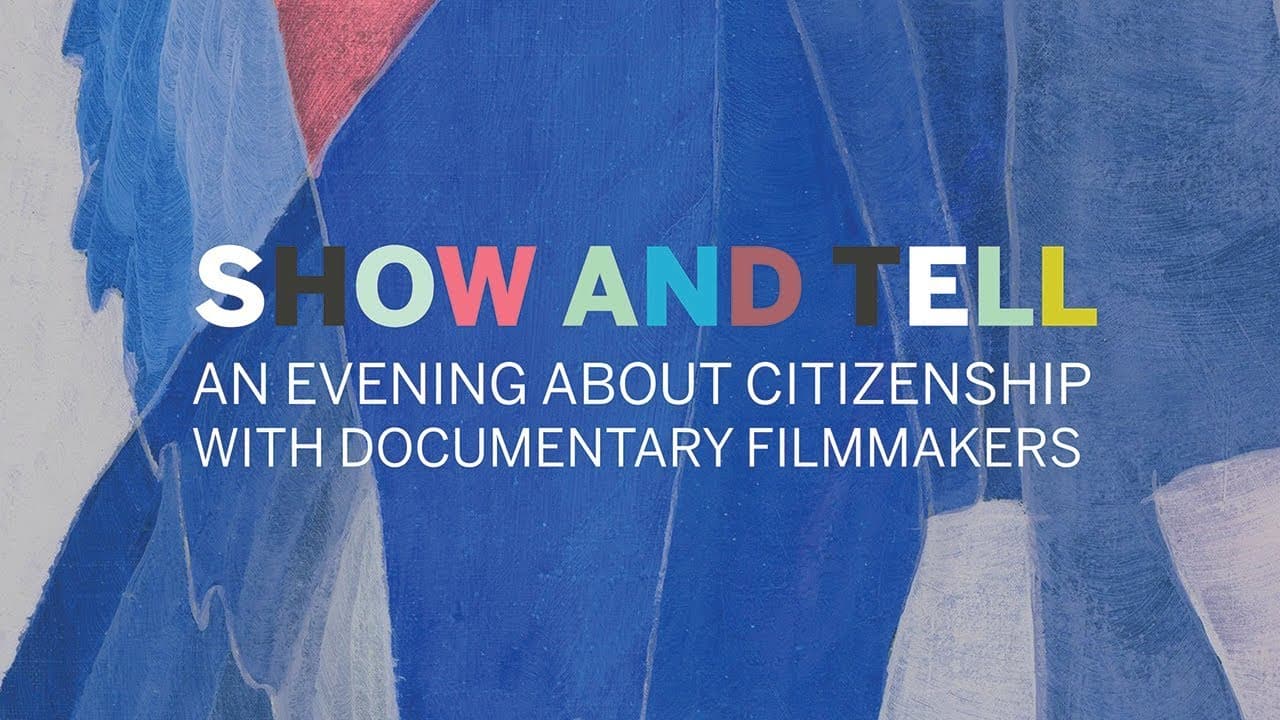
Film shapes understanding of citizenship and gender by portraying how belonging, exclusion, and national identity are experienced, and by influencing how society interprets them. At Radcliffe Institute’s “Show and Tell,” three filmmakers and a film critic examine representation, while data on the top 100 highest-grossing films of 2016 reveals stark disparities in speaking roles. Read on for the event’s central questions, historical example, and specific representation figures.
Transcript
- Good evening, everyone. I'm Liz Cohen. I'm Dean of the Radcliffe Institute for Advanced Study, and it's my pleasure to welcome you to tonight's show and tell exploration of citizenship, gender, and film. This program kicks off our Annual Gender Conference, which is focused this year on the topic, "Who belongs? Global Citizenship and Gender in the... Read More
Key Insights
- ✊ Films have the power to transform public perception and challenge stereotypes about immigrants by humanizing their experiences.
- 🍳 Documentaries and narratives can foster empathy and understanding, breaking down barriers and promoting social change.
- 🛰️ Diverse representation in the film industry is crucial for telling authentic stories and creating a more inclusive narrative landscape.
Install to Summarize YouTube Videos and Get Transcripts
Explore YouTube Video Summarizer or Get YouTube Transcript Extractor
Questions & Answers
Q: How does film shape our understanding of citizenship and gender?
Fictional and documentary films can bring the complexity of citizenship to life and show its relationship to belonging and exclusion. They also provide an entry point into how society understands citizenship and national identity while actively shaping that understanding.
Q: What is Radcliffe Institute’s “Show and Tell” event about?
The event explores citizenship, gender, and film through a discussion with three filmmakers and a film critic. It opens Radcliffe Institute’s Annual Gender Conference, titled “Who Belongs? Global Citizenship and Gender in the 21st Century.”
Q: Why does Radcliffe begin its annual gender conference with the arts?
Radcliffe begins with the arts to integrate creative expression with scholarly inquiry. Artistic expression offers a distinctive vantage point for considering challenging issues such as citizenship.
Q: How did The Birth of a Nation portray race and citizenship?
The 1915 film, originally titled The Clansman and directed by D.W. Griffith, presented a three-hour dramatization of white supremacist ideology. It romanticized the Ku Klux Klan and depicted Black people through overtly racist caricatures that became widespread and deeply harmful.
Q: How did the NAACP respond to The Birth of a Nation in 1915?
The Boston branch of the NAACP published a 47-page booklet condemning the film. It warned that the film promoted disenfranchisement, segregation, and lynching and threatened the 14th and 15th Amendments.
Q: What did the cited research find about women and white characters in major 2016 films?
Research from the University of Southern California’s Annenberg School found that women made up less than one-third of speaking characters in the top 100 highest-grossing films of 2016. About 70% of all characters in those films were white.
Q: What did the research show about Black and Latino speaking characters?
One-quarter of the top 100 highest-grossing films of 2016 featured no Black speaking characters. More than half lacked Latino speaking characters.
Q: Why does representation behind the camera matter?
Directors and producers influence which stories are told, what audiences learn, and how people collectively think about important issues. The discussion therefore treats representation as important both in front of and behind the camera.
Summary & Key Takeaways
-
The filmmakers shared their personal experiences and stories of immigrants, highlighting the struggles and resilience of individuals navigating the broken immigration system.
-
They emphasized the importance of using film as a means to challenge stereotypes, humanize the immigrant experience, and change public perceptions.
-
Documentaries like "Los Trabajadores" and "Letters From the Other Side" provide a unique insight into the lives of immigrants, promoting empathy and understanding.
-
The narrative film "Rebel" and the upcoming film "The Secret Life of La Mariposa" aim to transform the public's perception of immigrants and immigrants' contributions to society.
Read in Other Languages (beta)
Share This Summary 📚
Summarize YouTube Videos and Get Video Transcripts with 1-Click
Try YouTube Summary with ChatGPT & Claude or YouTube Transcript Generator
Explore More Summaries from Harvard University 📚


Summarize YouTube Videos and Get Video Transcripts with 1-Click
Try YouTube Summary with ChatGPT & Claude or YouTube Transcript Generator