How to Prevent Cancer: 30 Metabolic Tips That Work
TL;DR
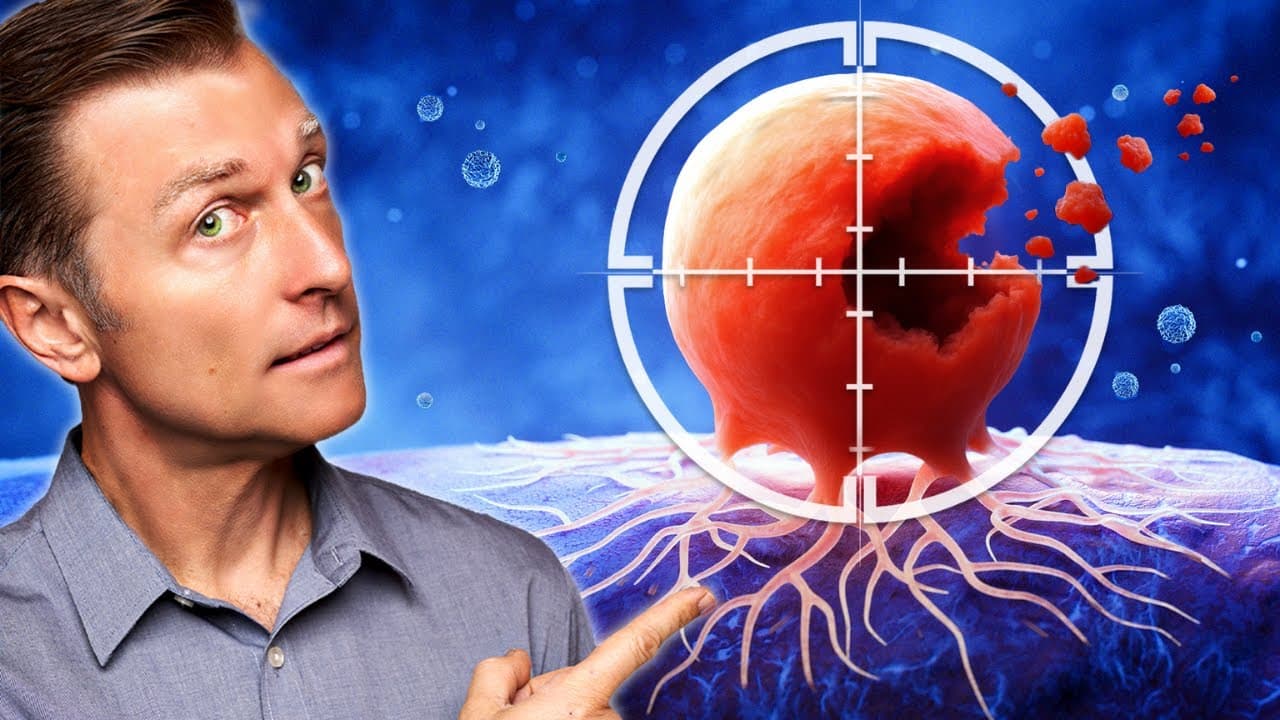
Cancer may start with mitochondrial damage rather than a spontaneous DNA mutation, so protecting your mitochondria is the core prevention strategy. Practical steps include keeping vitamin D blood levels between 60 and 80, doing intermittent and prolonged fasting to trigger autophagy, following a healthy ketogenic diet, and avoiding excess iron and radiation.
Transcript
Today we're going to talk about how to never get cancer. Then I'm going to give you 30 scientifically proven tips. And the big problem with cancer is the conventional model of cancer I believe is not correct. Over 70 years of doing research on cancer. I'm talking trillions of dollars. The five-year survival rates have not budged. And also, there's ... Read More
Key Insights
- The metabolic viewpoint holds that cancer begins with damage to the mitochondria, the cell's energy factories, with a genetic mutation occurring later, unlike the conventional model that treats cancer as a spontaneous DNA mutation.
- A cancer cell is one that has lost proper mitochondrial function and can survive without oxygen by switching to fermentation, hogging glucose to produce energy, which is why PET scans detect areas of hyper metabolism of glucose.
- Vitamin D acts as the master regulator of the immune system, and keeping blood levels between 60 and 80 (above 90 to shrink tumors) supports immune cells that directly target cancer cells.
- Intermittent fasting is one of the most important cancer-prevention tools because it triggers autophagy, the process where the body recycles old, damaged cells and mitochondria and generates new ones.
- Prolonged fasting of 20, 30, or more days is described as the single most powerful intervention, sometimes the only remaining option for serious spreading cancer, though frail or elderly people may not tolerate it.
- The ketogenic diet helps prevent cancer by correcting insulin resistance, one of the biggest destroyers of mitochondria, stabilizing blood sugar and letting the body run on ketones that are therapeutic to mitochondria.
- Iron feeds cancer because cancer cells use it to multiply faster, so iron supplements and cooking in iron skillets should be avoided, since excess iron also drives inflammation in the liver and joints.
- Cold therapy stresses the body into producing more and stronger mitochondria, since maintaining 98.6 degrees in a cold tank forces mitochondria to work hard generating heat rather than energy.
Install to Summarize YouTube Videos and Get Transcripts
Explore YouTube Video Summarizer or Get YouTube Transcript Extractor
Questions & Answers
Q: What is the metabolic viewpoint on cancer?
The metabolic viewpoint holds that cancer does not start with a genetic mutation. Instead, the first thing that happens is damage to the mitochondria, the little energy factories in the cell, and a mutation may develop later down the road. This differs from the conventional model, which says cancer is a spontaneous mutation of your DNA treated by killing cells with chemotherapy, radiation, or surgery. Understanding this foundation matters because prevention based on the wrong problem will not work.
Q: Why can cancer cells survive without oxygen?
A cancer cell has lost its ability for the mitochondria to work correctly, and mitochondria normally need oxygen to function. To survive in different environments in relation to oxygen, these cells created a plan B, an alternative energy system called fermentation. This lets cancer cells live without oxygen by hogging glucose like a vacuum cleaner to get energy. A PET scan exploits this by scanning for areas of hyper metabolism of glucose, where fermenting cancer cells light up.
Q: How much vitamin D should you have to help prevent cancer?
Vitamin D is the master regulator of the entire immune system and supports the immune cells that directly target cancer cells. Some data shows that to shrink tumors you need blood levels above 90, but the video recommends keeping vitamin D levels between 60 and 80 at the very minimum. Maintaining a strong immune system with vitamin D matters because chemo and radiation kill off the immune system, and there are always small amounts of cancer cells that survive treatment and could return.
Q: Why is fasting recommended for cancer prevention?
Intermittent fasting is described as probably the most important way to prevent cancer, meaning two meals a day, one meal a day, or occasional multi-day fasts. Since damaged mitochondria are at the heart of the problem, fasting triggers autophagy, a condition where the body recycles old damaged cells, cell parts, and mitochondria and turns them into new ones. This constantly generates new mitochondria, which is highly therapeutic given that cancer originates at the mitochondria.
Q: How does the ketogenic diet help prevent cancer?
The ketogenic, low-carb diet helps correct insulin resistance, which is described as one of the biggest things that destroys the mitochondria. The goal is to make insulin more sensitive and stabilize blood sugar so the mitochondria can heal and the body can run on ketones, which are very therapeutic to the mitochondria. The video stresses always doing the healthy version of the ketogenic diet rather than an unhealthy one.
Q: Why should you avoid iron for cancer prevention?
Cancer cells use iron to multiply a lot faster, so they like iron. Because of this, taking iron supplements is not good, and cooking in iron skillets is not a good idea either. The video advises never taking an iron supplement because too much iron creates a lot of inflammation in the liver and joints, and the body has a hard time getting rid of it. Reducing iron intake helps avoid feeding cancer cells and lowering inflammation.
Q: How does cold therapy support the mitochondria?
Cold therapy adds a stress to the body that forces it to make a lot more mitochondria. When you enter a cold immersion tank or take a cold shower at 40 to 50 degrees, your body must maintain 98.6 degrees, so the mitochondria work like crazy, not to make energy but to make heat to counter the cold. This massive stress causes the mitochondria to adapt and become stronger, which supports cancer prevention.
Q: What can you do to reduce cancer risk when grilling meat?
When grilling steak or meat, the charring of the meat and fat is carcinogenic to a certain degree. However, if you add some herbs such as garlic, thyme, sage, or even onions, you counter that carcinogenic effect. This is a simple thing to do because these herbs contain all sorts of plant-based chemicals that protect you against cancer, and they also support the mitochondria at the same time.
Summary & Key Takeaways
-
The video argues that after 70 years and trillions of dollars, five-year cancer survival rates have not budged because the conventional model, treating cancer as a spontaneous DNA mutation solved by chemo, radiation, or surgery, is based on the wrong problem.
-
The metabolic model states cancer starts with mitochondrial damage in a specific organ, followed later by a mutation. A trigger such as pneumonia in a smoker's lungs or low vitamin D can spark the disease from already-damaged mitochondria.
-
Thirty prevention tips center on protecting mitochondria: vitamin D, cold therapy, intermittent and prolonged fasting for autophagy, a healthy keto diet, avoiding snacking, omega-3s, sulforaphane, avoiding excess iron and radiation, plus folate, selenium, and methylene blue.
Read in Other Languages (beta)
Share This Summary 📚
Summarize YouTube Videos and Get Video Transcripts with 1-Click
Try YouTube Summary with ChatGPT & Claude or YouTube Transcript Generator
Explore More Summaries from Dr. Eric Berg DC 📚

Summarize YouTube Videos and Get Video Transcripts with 1-Click
Try YouTube Summary with ChatGPT & Claude or YouTube Transcript Generator