Where Sicko Mode's weirdest moments came from
TL;DR
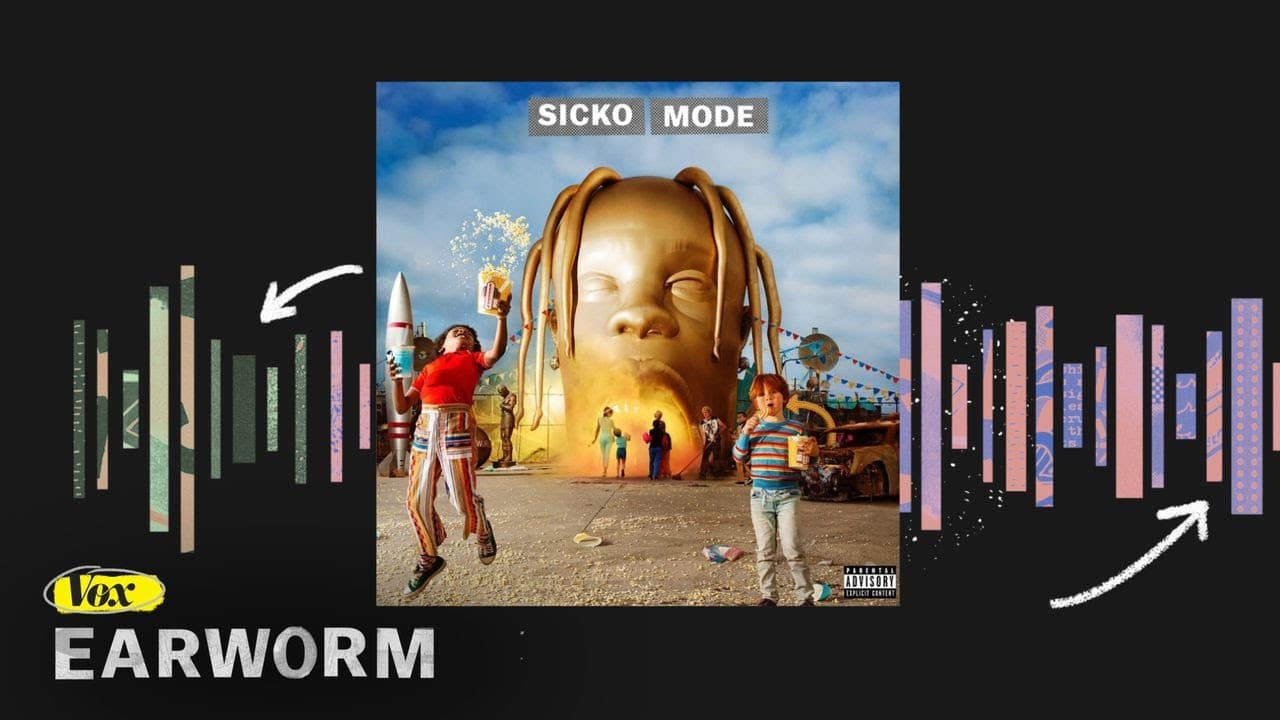
Sicko Mode’s weirdest moments came from production ideas associated with Jamaican dub, especially dramatic beat transitions, spacious dropouts, echo, and reverb. Travis Scott’s Astroworld single effectively combines three songs, with each section riding a different beat. Its unusual interludes echo the experimental methods pioneered by King Tubby and other dub producers, making the history of those sounds worth exploring.
Transcript
Sicko Mode is the big single off Travis Scott’s album Astroworld. It was one of the most sonically adventurous hits of 2018. This song has been described as “whacked-out and skittery” — Billboard said “there's no disguising how weird "Sicko Mode" is as a pop song.” So what made this song so bizarre to so many critics and listeners? For one -- its s... Read More
Key Insights
- Travis Scott's 'Sicko Mode' is a standout track from Astroworld, known for its unconventional structure and sonic experimentation.
- The song's structure is a blend of three different beats, each with distinct transitions that capture listeners' attention.
- Jamaican dub music, known for its audio experimentation, heavily influences the unique sound of 'Sicko Mode.'
- Dub music originated in Jamaica, where DJs used sound systems to create new audio experiences at parties.
- King Tubby, a pivotal figure in dub music, revolutionized reggae by manipulating tracks with effects like echo and reverb.
- Dub music's influence extends beyond reggae, impacting genres like punk, rock, and pop over the decades.
- The use of tape delay and other audio effects in dub music creates a distinctive echo and spatial sound.
- The experimental spirit of dub music is mirrored in the production of 'Sicko Mode,' showcasing its lasting impact on modern music.
Install to Summarize YouTube Videos and Get Transcripts
Explore YouTube Video Summarizer or Get YouTube Transcript Extractor
Questions & Answers
Q: Where did Sicko Mode’s weirdest moments come from?
They can be traced to Jamaican dub and its experimental approach to manipulating recorded sound. Sicko Mode uses spacious interludes, music dropouts, repeating vocal echoes, and dramatic beat changes that reflect techniques associated with dub.
Q: What makes Sicko Mode by Travis Scott sound so unusual?
Sicko Mode is essentially three songs in one, with each section using a completely different beat. Its strangest moments occur before the switches, when most of the music disappears or a vocal sample repeatedly echoes into silence.
Q: How did Jamaican dub influence Sicko Mode?
Dub provided a model for treating effects and studio manipulation as central parts of a track. Sicko Mode reflects that approach through its echoing vocals, open space, abrupt transitions, and unconventional three-part structure.
Q: What is Jamaican dub music?
In its basic form, dub takes a song, removes the lead vocals, emphasizes the bass and drums, and adds effects such as echo and reverb. Producers including King Tubby, Lee Scratch Perry, Augustus Pablo, and Scientist turned those techniques into an experimental art form.
Q: Who was King Tubby, and how did he help create dub?
King Tubby was a radio repairman turned music engineer who worked at Treasure Isle Records. While producing instrumental B-sides by stripping vocals from songs, he discovered that adding and removing different track elements could create unique versions, helping establish dub as a genre.
Q: How did Jamaican sound systems contribute to dub music?
Beginning in the 1950s, Kingston DJs brought turntables, American rhythm and blues records, and massive speakers to parties. Competition centered on having the cleanest, clearest, and loudest sound, creating a culture in which powerful bass and inventive audio presentation mattered deeply.
Q: How did King Tubby use the Fisher Space Expander?
The Fisher Space Expander was a spring reverb unit released in the early 1960s for home hi-fi systems and cars. King Tubby used it to make snare drums sound otherworldly and even physically shook its spring to create a discordant effect that became one of his trademarks.
Q: How does tape delay create dub’s echo effect?
Tape delay records sound onto magnetic tape and uses the distance between the recording and playback heads to produce audio feedback. Dub producers used that echo alongside prominent bass, altered drums, and reverb to create spacious, shifting mixes.
Summary & Key Takeaways
-
Travis Scott's 'Sicko Mode' is a groundbreaking track from his album Astroworld, recognized for its unique structure and sound influenced by Jamaican dub music. The song's distinct sections and use of echo and reverb reflect the experimental nature of dub, a genre that has shaped various music styles.
-
Jamaican dub music emerged in the 1950s, with DJs using sound systems to create immersive audio experiences. King Tubby, a key figure, transformed reggae by stripping vocals, enhancing bass and drums, and adding effects, setting the foundation for dub's influence on multiple music genres.
-
Dub music's legacy is evident in 'Sicko Mode,' where the song's unconventional structure and audio effects draw parallels to the experimental techniques pioneered by dub artists. This connection highlights dub's enduring impact on contemporary music production and its role in shaping diverse musical landscapes.
Read in Other Languages (beta)
Share This Summary 📚
Summarize YouTube Videos and Get Video Transcripts with 1-Click
Try YouTube Summary with ChatGPT & Claude or YouTube Transcript Generator
Explore More Summaries from Vox 📚



Summarize YouTube Videos and Get Video Transcripts with 1-Click
Try YouTube Summary with ChatGPT & Claude or YouTube Transcript Generator