How to Communicate with an Online Cyber Predator

TL;DR
Build rapport with a suspected cyber predator by matching their recurring language, symbols, sensory wording, tone, emotional level, and conversation length. The presentation says this alignment can lower resistance and help draw the person out, but anyone confronting such behavior should contact law enforcement and work alongside trained investigators.
Transcript
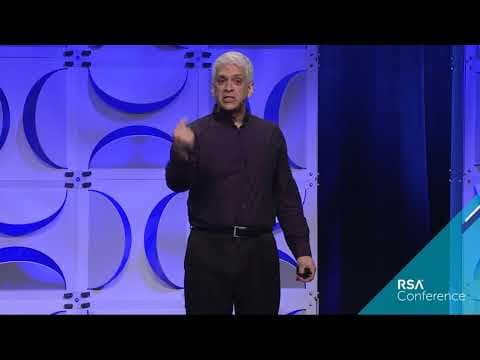
Welcome to the session, Luring Your Prey: The Art of Effectively Communicating with a Cyber Predator. Today's agenda, we're gonna cover four basic areas in how to manage communicating with a cyber predator. Rapport, what is it? How to get it. Matching, and we're gonna match visual, auditory, kinesthetic, and language patterns. So here we go. What i... Read More
Key Insights
- Cyber predators are internet users who hunt for vulnerable victims and exploit sexual, emotional, psychological, or financial needs. Their activity is not limited to targeting children, since adults, elderly people, social media users, chat participants, and people within corporations may also become targets.
- Manufactured trust is a central tool of online predation. A predator may mirror a target's important words, satisfy emotional needs, create an appearance of friendship, and gradually manipulate the person before revealing a demand, such as a request for money from another country.
- Law enforcement involvement is presented as essential when a cyber predator is suspected. The recommended approach is to contact investigators and work alongside them, because stopping and apprehending one predator may prevent that person from continuing to seek additional victims.
- Rapport is the communication channel through which connection and influence can occur. The presentation says it requires understanding, appreciation, and respect in the interaction, even when the communicator strongly rejects the suspected predator's values, rules, conduct, and intended outcome.
- Rapport must be checked rather than assumed whenever communication resumes. After a gap of a day, several days, or a week, the communicator should first reconnect through known keywords and sensory language patterns before trying to move the interaction toward another objective.
- Communication matching works by entering the suspected predator's perceived world. Mirroring language, symbols, tone, emotions, pacing, and conversation length can create a sense of shared understanding, which may make the person feel safer and lower resistance to the communicator's influence.
- Visual, auditory, and kinesthetic patterns can be identified in written communication. Visual language relates to sight, auditory language relates to hearing, and kinesthetic language concerns emotions or tactile sensations, with individuals tending to favor one or two of these modes.
- Online symbols and conversation flow provide important matching signals when face-to-face cues are unavailable. The presentation recommends observing the symbols a person uses, the length and pace of messages, the emotional quality of the exchange, and the overall tone before responding in a similar style.
Install to Summarize YouTube Videos and Get Transcripts
Explore YouTube Video Summarizer or Get YouTube Transcript Extractor
Questions & Answers
Q: What is a cyber predator?
A cyber predator is someone who uses the internet to hunt for vulnerable victims and take advantage of their unmet needs. The sought benefit may be sexual, emotional, psychological, or financial. The presentation emphasizes that predators do not target only children. Adults, elderly people, social media users, chat participants, and people within corporations can also be approached and manipulated.
Q: How do cyber predators create trust online?
Cyber predators create trust by communicating in ways that appear to satisfy a target's needs and demonstrate personal understanding. They may repeat important keywords, match the person's communication patterns, offer emotional attention, and cultivate friendship or romance where genuine trust should not exist. Once the victim feels attached, the predator can introduce the sexual, emotional, psychological, or financial outcome being pursued.
Q: How can rapport help when communicating with a cyber predator?
Rapport provides a shared channel through which communication and connection can develop. According to the presentation, it depends on understanding, appreciation, and respect within the interaction. Matching the suspected predator's communication style can make that person believe the communicator understands their world and speaks the same language, which may reduce resistance and make further influence possible.
Q: How should rapport be checked during repeated online contact?
Rapport should be checked and rebuilt each time communication resumes rather than treated as permanent. If the previous exchange occurred yesterday, several days ago, or a week ago, the communicator should reconnect through patterns already observed, such as familiar keywords or visual, auditory, and kinesthetic wording. The presentation advises establishing that connection before attempting to advance the interaction.
Q: What communication patterns should be matched online?
The presentation identifies three broad categories to match: language, symbols, and conversation flow. Language includes keywords, phrases, and visual, auditory, or kinesthetic wording. Symbols include the forms commonly used in internet communication. Flow includes message length, conversational pacing, tone, and emotional quality. Together, these signals help reproduce the other person's preferred communication style.
Q: What are visual, auditory, and kinesthetic language patterns?
Visual language is associated with sight, while auditory language is associated with hearing. Kinesthetic language has two aspects in the presentation: human emotions and tactile sensations, such as heat, bright lights, or clothing felt against the body. People commonly favor one or two of these sensory modes, and their written wording can indicate which patterns they prefer.
Q: Why does matching language lower a predator's resistance?
Matching can make a suspected predator feel that the communicator understands, accepts, and respects their world, even when their values differ sharply. The person may perceive that both participants speak the same communication language. When the predator believes the supposed victim is engaged and trust feels safe to them, they may lower resistance to outside influence from the communicator.
Q: When should law enforcement be contacted about a cyber predator?
Law enforcement should be contacted when someone discovers that they, or another person, may be dealing with a cyber predator in any context. The presentation recommends working side by side with investigators rather than treating apprehension as an informal personal project. Its stated goal is to stop the suspected predator so that the person cannot continue seeking and manipulating other victims.
Summary & Key Takeaways
-
Cyber predators use the internet to seek vulnerable people and exploit sexual, emotional, psychological, or financial needs. Their targets can include children, adults, elderly people, and individuals encountered through social media, chat rooms, or corporate environments. They manufacture friendship and trust so they can manipulate victims and obtain what they want.
-
The presentation places rapport at the center of strategic online communication. Rapport requires understanding, appreciation, and respect within the interaction, and it should never be assumed to exist. A communicator should check and rebuild it whenever contact resumes, using language and behavioral patterns that the suspected predator has previously demonstrated.
-
Matching involves adapting to visual, auditory, or kinesthetic wording, along with the other person's keywords, phrases, symbols, tone, emotions, pacing, and message length. The suspected predator may then perceive shared understanding and become more receptive to influence. The stated objective is to draw the person out while cooperating with law enforcement.
Read in Other Languages (beta)
Share This Summary 📚
Summarize YouTube Videos and Get Video Transcripts with 1-Click
Try YouTube Summary with ChatGPT & Claude or YouTube Transcript Generator
Explore More Summaries from RSAC Cybersecurity 📚





Summarize YouTube Videos and Get Video Transcripts with 1-Click
Try YouTube Summary with ChatGPT & Claude or YouTube Transcript Generator