Why Switch From Postgres to a Real-Time Database?
TL;DR
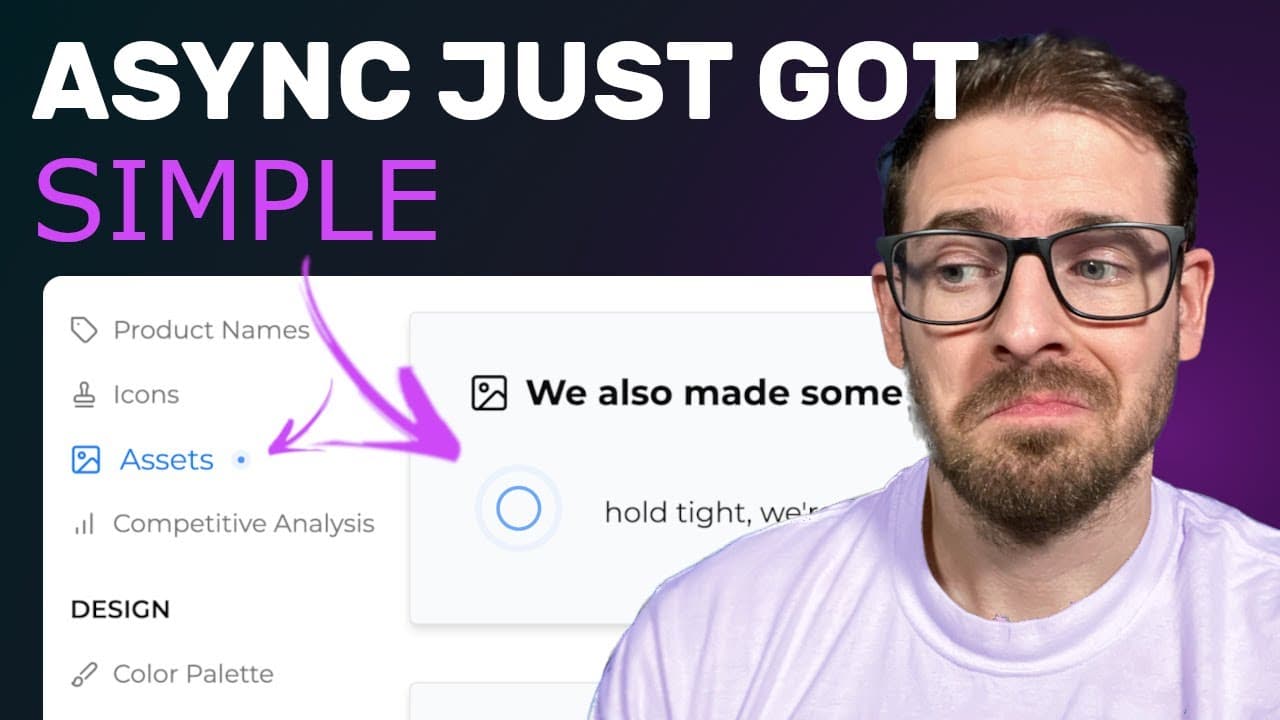
Switching from Postgres to a real-time database like Convex enhances user experience by facilitating asynchronous updates, allowing users to see progress in real-time rather than waiting for tasks to complete. Convex simplifies backend operations with built-in file storage and automatic updates, improving efficiency while eliminating the need for manual websocket or S3 setup.
Transcript
so I made a ton of huge changes to this project planner ai.com application which is basically why I haven't really added that many features I think about a week or so ago I made a video about polling and why you can use polling on the front end to basically hit your backend and figure out when long running asynchronous processes are done so that's ... Read More
Key Insights
- ❓ The transition to Convex facilitates rapid development and deployment, emphasizing efficiency in backend operations.
- 👤 Online user experience is considerably enhanced through real-time loading indicators for sections as they load asynchronously.
- 👻 The configuration of webhooks with Clerk allows for seamless integration of user creation events and actions in the database.
- 📁 The refactor eliminated the need for an S3 bucket for file storage, reducing operational overhead and simplifying file management.
- 👻 The architecture supports multiple OpenAI calls, allowing for complex processing without blocking the user experience.
- 🧘 The renewed focus on user engagement positions the application for potential collaborative project management opportunities.
- 😄 The ease of implementing automatic updates significantly reduces development complications in maintaining synchronization between the frontend and backend.
Install to Summarize YouTube Videos and Get Transcripts
Explore YouTube Video Summarizer or Get YouTube Transcript Extractor
Questions & Answers
Q: What were the main reasons for switching to Convex?
The shift to Convex was driven by the need for faster development and better capabilities, including built-in file storage and real-time database functionalities. Unlike traditional setups, Convex allows for asynchronous tasks and live updates without requiring a dedicated websocket server, simplifying the integration process significantly.
Q: How does the new asynchronous processing improve user experience?
The new processing method enhances user experience by allowing users to engage with the application as different sections finish loading, rather than waiting for a complete response. This asynchronous approach not only provides immediate feedback on completed tasks but also reduces frustration associated with long wait times.
Q: What role does Clerk play in the updated project?
Clerk is utilized for user authentication, streamlining the security management process. Its integration minimizes the manual work involved in setting up authentication, as Clerk manages account creation and verification. This allows the development team to focus on other functionalities without being burdened by user management complexities.
Q: Why was there a need for retry logic in the previous version?
The previous application required retry logic because calls to the OpenAI API were prone to failures, resulting in incorrect JSON responses. The need for multiple retries arose from the occasional absence of the expected JSON format, leading to exceptions that would halt processing. The new setup reduces these issues significantly by better handling tasks asynchronously.
Q: What are the benefits of using websockets in the Convex platform?
Websockets on Convex simplify the development process by automatically managing real-time updates between the backend and frontend. This means developers no longer have to manually write websocket handling code; instead, they can directly connect their UI to queries, which refresh automatically when data changes, enhancing responsiveness.
Q: What are some features planned for the future of the application?
Future enhancements may include transforming the application into a collaborative project management tool, allowing users to share ideas and features. The team is also considering features like user feedback mechanisms to gather suggestions, which could guide the development of more beneficial functionalities.
Q: How do asynchronous tasks work with the new setup?
In the updated application, asynchronous tasks are handled as separate actions that can run concurrently. As tasks complete, they trigger events that communicate with the UI. The Convex platform efficiently updates the front end without user involvement, providing a smoother and more interactive user experience as each part of the application becomes available.
Summary & Key Takeaways
-
The speaker made fundamental changes to the project planner AI, improving user experience by allowing real-time feedback as processes complete instead of requiring users to wait.
-
The application has transitioned from using traditional backend setups like PostgreSQL to the Convex platform, enabling efficient asynchronous task management and data handling.
-
New features include automatic updates using websockets without manual setup, as well as enhanced user authentication with Clerk, simplifying the overall development process.
Read in Other Languages (beta)
Share This Summary 📚
Summarize YouTube Videos and Get Video Transcripts with 1-Click
Try YouTube Summary with ChatGPT & Claude or YouTube Transcript Generator
Explore More Summaries from Web Dev Cody 📚

Summarize YouTube Videos and Get Video Transcripts with 1-Click
Try YouTube Summary with ChatGPT & Claude or YouTube Transcript Generator