How Can We Clean Up Space Junk Orbiting Earth?
TL;DR
To clean up space junk orbiting Earth, we need international laws enforcing responsible satellite disposal and recycling. Current guidelines are insufficient as many satellites become debris without clear accountability. Solutions like robotic repairs, standardized designs for deorbiting, and incentives for responsible waste management are essential to mitigate space debris.
Transcript
Our lives depend on a world we can't see. Think about your week so far. Have you watched TV, used GPS, checked the weather or even ate a meal? These many things that enable our daily lives rely either directly or indirectly on satellites. And while we often take for granted the services that satellites provide us, the satellites themselves deserve ... Read More
Key Insights
- 🛰️ Satellites provide essential services in our daily lives, from communication to navigation and entertainment. However, when they reach the end of their mission life, they become space junk that clutters the orbital environment.
- 🌍 The number of satellites being launched into orbit is increasing, especially with the possibility of launching large constellations. This raises concerns about space debris and its impact on space missions and operational satellites.
- 🔧 Efforts have been made to develop technical standards to limit the generation of additional debris, but these guidelines are not binding under international law and only address future debris creation.
- 🗑️ Waste disposal in space is a challenging problem, similar to the garbage left behind on Mount Everest. Conservation efforts and stricter enforcement may be required to incentivize responsible waste management.
- 🌐 Designing satellites with recycling, servicing, or active deorbiting capabilities, along with enforcing end-of-life disposal through international laws, could help mitigate the issue of space junk.
- 🤖 Robotic repair and maintenance, such as using space tow trucks or robotic arms, could extend the lives of satellites and reduce the need for replacement launches.
- 🌍 The problem of space debris goes beyond technical solutions and requires addressing complex space laws and politics.
- 🌎 As humans explore and innovate in space, it is crucial to maintain accountability for our environment and reduce our impact on Earth's orbit.
Install to Summarize YouTube Videos and Get Transcripts
Explore YouTube Video Summarizer or Get YouTube Transcript Extractor
Questions & Answers
Q: Question 1: What are some examples of how satellites are essential in our daily lives?
Satellites are crucial in providing services that we often take for granted. They enable us to watch TV, use GPS, check the weather, and even communicate. Satellites play a role in various sectors like agriculture, environment monitoring, internet connectivity, navigation, and even the operation of financial and energy markets.
Question 2: What happens to satellites when they reach the end of their mission life? Answer: When satellites reach the end of their mission life, they become space junk or debris. These satellites may run out of propellant, malfunction, or simply complete their intended mission. Unlike cars on the highway, abandoned satellites clutter the orbital environment with no binding international laws enforcing their removal.
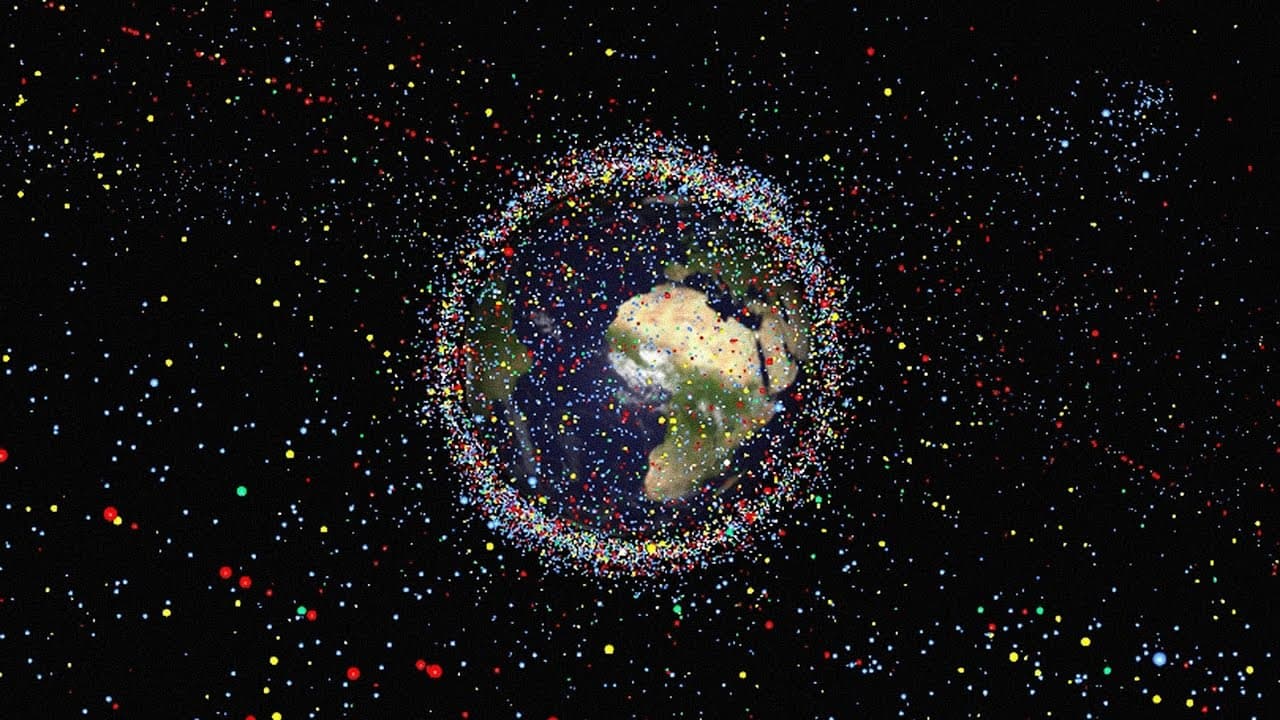
Question 3: What is the current situation regarding space debris? Answer: Out of the nearly 7,000 satellites launched since the late 1950s, only about one in seven is currently operational. Additionally, there are hundreds of thousands of marble-sized debris and millions of paint chip-sized debris orbiting around the Earth. Space debris poses a significant risk not only to space missions but also to the functioning of satellites we rely on.
Question 4: What efforts have been made to address the issue of space debris? Answer: Some national and international efforts have been made to develop technical standards to limit the generation of additional debris. Recommendations include deorbiting spacecraft within 25 years and moving dead geostationary spacecraft into a graveyard orbit. However, these guidelines are not legally binding and do not address the existing debris in space.
Question 5: How can we address the challenge of space debris in the long term? Answer: There are various potential solutions to tackle the issue of space debris. One approach could involve designing satellites with standardized features for recycling, servicing, or active deorbiting. International laws with enforcement mechanisms could be implemented to ensure proper disposal. Alternatively, satellite manufacturers could be charged deposits, returned upon proper disposal or debris cleanup. Technological advancements like drag sails, lasers, tethers, and robotic repair and maintenance are also being explored.
Question 6: What is the significance of accountability in space exploration? Answer: As humans venture further into space, accountability for our actions and their impact on the space environment remains crucial. We haven't yet achieved sustainable use of space. It is essential to recognize that exploring and innovating should go hand in hand with responsible practices and taking care of our surroundings. We must collectively work towards reducing our impact and preserving the beauty and functionality of Earth's orbit.
Summary & Key Takeaways
-
Satellites play a crucial role in our daily lives, enabling services like GPS, communications, and internet connectivity.
-
Many satellites eventually become space junk, cluttering the orbital environment and posing a risk to other satellites and space missions.
-
There is a need for international laws and proactive measures to address space debris and ensure proper end-of-life disposal or recycling of satellites.
Read in Other Languages (beta)
Share This Summary 📚
Summarize YouTube Videos and Get Video Transcripts with 1-Click
Try YouTube Summary with ChatGPT & Claude or YouTube Transcript Generator
Explore More Summaries from TED 📚






Summarize YouTube Videos and Get Video Transcripts with 1-Click
Try YouTube Summary with ChatGPT & Claude or YouTube Transcript Generator