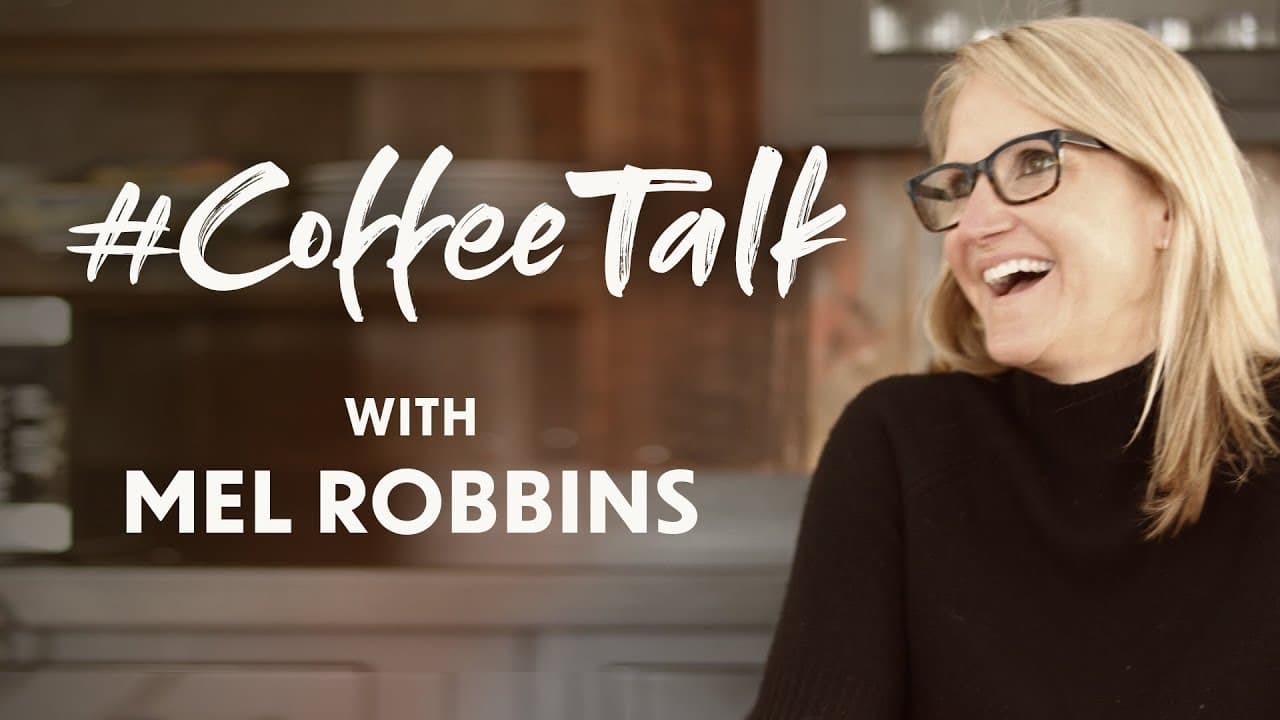
Why Should You Stop Messing With Your Stuff? | #CoffeeTalk with Mel Robbins
TL;DR
You should stop rearranging your belongings when overwhelmed because it creates a false sense of control while distracting you from the emotional problems that require real change. Mel Robbins identifies repeated organizing, cleaning, and shopping as warning signs, then recommends interrupting the pattern with the 5-second rule and choosing a productive action instead. Read on to recognize fake control and redirect your energy toward meaningful change.
Transcript
all right and we're life terrific well hi how are you I'm Mel Robbins and this is coffee talk this is our weekday live broadcast where I bring you behind the scenes around the United States as we are giving speeches around the world we are launching a new daytime syndicated talk show and we are also sharing all the things that we're learning and to... Read More
Key Insights
- 🔬 Rearranging physical items as a distraction is a common coping mechanism for feeling overwhelmed.
- 🥙 Focusing on physical stuff provides a false sense of control and prevents individuals from addressing their emotional challenges.
- ⌛ Engaging in physical distractions wastes time and emotional energy.
- 💱 Real control and change come from addressing the underlying issues and making proactive changes in one's life.
- 🛍️ Physical distractions can include shopping, reorganizing, and cleaning excessively.
- 🍳 Interrupting the pattern by redirecting focus and using the 5-second rule can help break the cycle.
- ℹ️ Emphasizing physical distractions prolongs the avoidance of confronting the true sources of overwhelm.
Install to Summarize YouTube Videos and Get Transcripts
Explore YouTube Video Summarizer or Get YouTube Transcript Extractor
Questions & Answers
Q: Why should you stop messing with your stuff when life feels overwhelming?
Rearranging or organizing physical belongings can provide a false sense of control because those objects can be easily manipulated and do not talk back. It distracts you from confronting the scarier emotional issues that are actually making you feel stuck.
Q: Why do people rearrange their belongings when they feel stressed?
Uncontrollable situations create uncertainty, which makes people seek certainty wherever they can find it. Moving furniture, papers, shoes, or other belongings offers an immediate but fake form of control.
Q: What behaviors can signal that someone is using physical distractions?
Constantly rearranging a bedroom, desk, closet, or refrigerator can be a red flag. Excessive cleaning, organizing, shopping, and wandering through stores can serve the same distracting purpose.
Q: How can focusing on physical stuff make overwhelm worse?
It consumes time and emotional energy without changing the underlying problem. While attention remains on controllable objects, the person delays actions that could produce meaningful change.
Q: What example does Mel Robbins give of seeking fake control?
When Mel and Chris were facing bankruptcy, she rearranged their living room every week. Moving the couch made her feel temporarily in control while the larger problems in her life felt uncontrollable.
Q: What could Mel Robbins have done instead when money problems felt uncontrollable?
She says she could have held a garage sale, found a second job, or consulted a financial counselor about consolidating debt. Those steps might have addressed the financial problem directly, unlike rearranging possessions.
Q: How can the 5-second rule help break the distraction cycle?
Count down from five to interrupt the pattern of turning toward physical distractions. Then redirect your attention to a task that can create actual change and control in your life.
Q: What is the difference between fake control and real control?
Fake control comes from manipulating physical things while avoiding the source of your overwhelm. Real control comes from confronting the underlying issue and taking proactive steps that can change your circumstances.
Summary & Key Takeaways
-
Mel Robbins discusses how people often use rearranging physical items as a distraction from dealing with emotional challenges.
-
Focusing on physical stuff gives a false sense of control, leading to wasted time and energy.
-
To gain real control, individuals should stop using physical distractions and focus on making actual changes in their lives.
Read in Other Languages (beta)
Share This Summary 📚
Summarize YouTube Videos and Get Video Transcripts with 1-Click
Try YouTube Summary with ChatGPT & Claude or YouTube Transcript Generator
Explore More Summaries from Mel Robbins 📚


Summarize YouTube Videos and Get Video Transcripts with 1-Click
Try YouTube Summary with ChatGPT & Claude or YouTube Transcript Generator