How to Develop a Successful Scalping Trade Plan

TL;DR
To create an effective scalping trade plan, focus on understanding price action models and institutional order flow. Study the economic calendar to anticipate market movements and develop a disciplined approach to trading. Consistent practice and backtesting are essential for mastering the concepts and achieving consistent results. Patience and a methodical approach are key to success.
Transcript
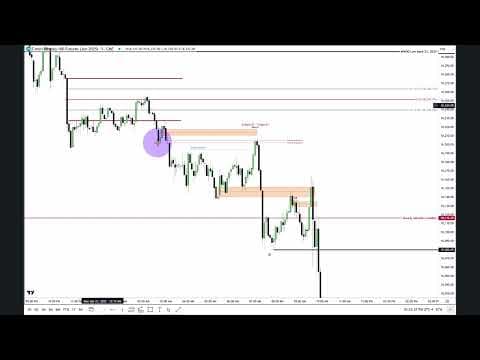
okay folks welcome back this is our price action model number one introduce scalping trade plan and idea is to capture 15 to 20 Pips per trade and before I get into this I want you to understand I already know what some of your complaints are going to be okay so just know that as I mentioned and warned well before we even got to the topic of how th... Read More
Key Insights
- Price action models are essential for understanding and predicting market movements.
- Scalping involves capturing small price changes, typically 15 to 20 pips per trade.
- Successful trading requires a deep understanding of institutional order flow.
- The economic calendar is a vital tool for anticipating market volatility and planning trades.
- A disciplined approach, including using demo accounts, helps build trading skills without financial risk.
- Consistency and practice are crucial for mastering trading concepts and achieving success.
- Developing a personal trade plan involves adapting foundational models to individual preferences.
- Risk management, including setting stop-losses and managing position sizes, is critical to long-term success.
Install to Summarize YouTube Videos and Get Transcripts
Explore YouTube Video Summarizer or Get YouTube Transcript Extractor
Questions & Answers
Q: How to develop a successful scalping trade plan?
Developing a successful scalping trade plan involves understanding price action models and institutional order flow. Start by studying the economic calendar to anticipate market volatility and plan trades accordingly. Practice consistently using demo accounts to build skills without financial risk. Adapt foundational models to suit your personal trading style and preferences, and focus on risk management, including setting stop-losses and managing position sizes.
Q: What is the importance of the economic calendar in trading?
The economic calendar is crucial in trading as it provides information about upcoming economic events that can significantly impact market volatility. By understanding when these events occur, traders can anticipate potential market movements and plan their trades accordingly. This helps in aligning their trade plans with market conditions, increasing the likelihood of successful trades.
Q: Why is risk management important in trading?
Risk management is vital in trading because it helps protect your trading capital from significant losses. By setting stop-losses and managing position sizes, traders can limit potential losses on each trade. This ensures that no single trade can have a devastating impact on the overall trading account, allowing for sustainable long-term trading success.
Q: How does understanding institutional order flow benefit traders?
Understanding institutional order flow benefits traders by providing insights into the movements and intentions of large market participants. This knowledge helps traders anticipate potential price movements and align their trades with the prevailing market trends, increasing the likelihood of successful trades. It also aids in identifying key support and resistance levels where significant price reactions may occur.
Q: What role does practice play in becoming a successful trader?
Practice plays a critical role in becoming a successful trader as it helps in mastering trading concepts and developing the necessary skills. Consistent practice through backtesting and using demo accounts allows traders to refine their strategies, build confidence, and gain experience without financial risk. This process is essential for achieving consistency and success in real market conditions.
Q: Why should traders use demo accounts for practice?
Traders should use demo accounts for practice because they provide a risk-free environment to test and refine trading strategies. Demo accounts allow traders to gain experience and confidence without the fear of financial loss, making them ideal for learning and improving trading skills. They also help in understanding market dynamics and testing different approaches before committing real capital.
Q: How can traders personalize their trade plans?
Traders can personalize their trade plans by adapting foundational models to suit their individual preferences, risk tolerance, and trading style. This involves selecting specific trading tools, timeframes, and strategies that align with their goals. Personalization ensures that the trade plan is tailored to the trader's strengths and weaknesses, increasing the likelihood of consistent success.
Q: What is the significance of consistency in trading?
Consistency is significant in trading because it leads to reliable and repeatable results over time. A consistent approach helps traders build confidence, refine their strategies, and achieve long-term success. It involves following a disciplined trading plan, adhering to risk management principles, and continuously practicing and improving trading skills. Consistency helps in overcoming emotional biases and making informed trading decisions.
Summary & Key Takeaways
-
The video outlines a scalping trade plan focused on capturing 15 to 20 pips per trade by understanding price action models and institutional order flow. It emphasizes the importance of studying the economic calendar to anticipate market movements and develop a disciplined approach to trading.
-
It stresses the need for consistent practice and backtesting to master the concepts and achieve consistent results. The video highlights the importance of patience and a methodical approach, as well as the use of demo accounts to build trading skills without financial risk.
-
Key insights include the importance of risk management, such as setting stop-losses and managing position sizes, and the development of a personal trade plan by adapting foundational models to individual preferences. Consistency and practice are crucial for mastering trading concepts and achieving success.
Read in Other Languages (beta)
Share This Summary 📚
Summarize YouTube Videos and Get Video Transcripts with 1-Click
Try YouTube Summary with ChatGPT & Claude or YouTube Transcript Generator
Explore More Summaries from The Inner Circle Trader 📚
Summarize YouTube Videos and Get Video Transcripts with 1-Click
Try YouTube Summary with ChatGPT & Claude or YouTube Transcript Generator