How to Build and Monetize a Daily Newsletter
TL;DR
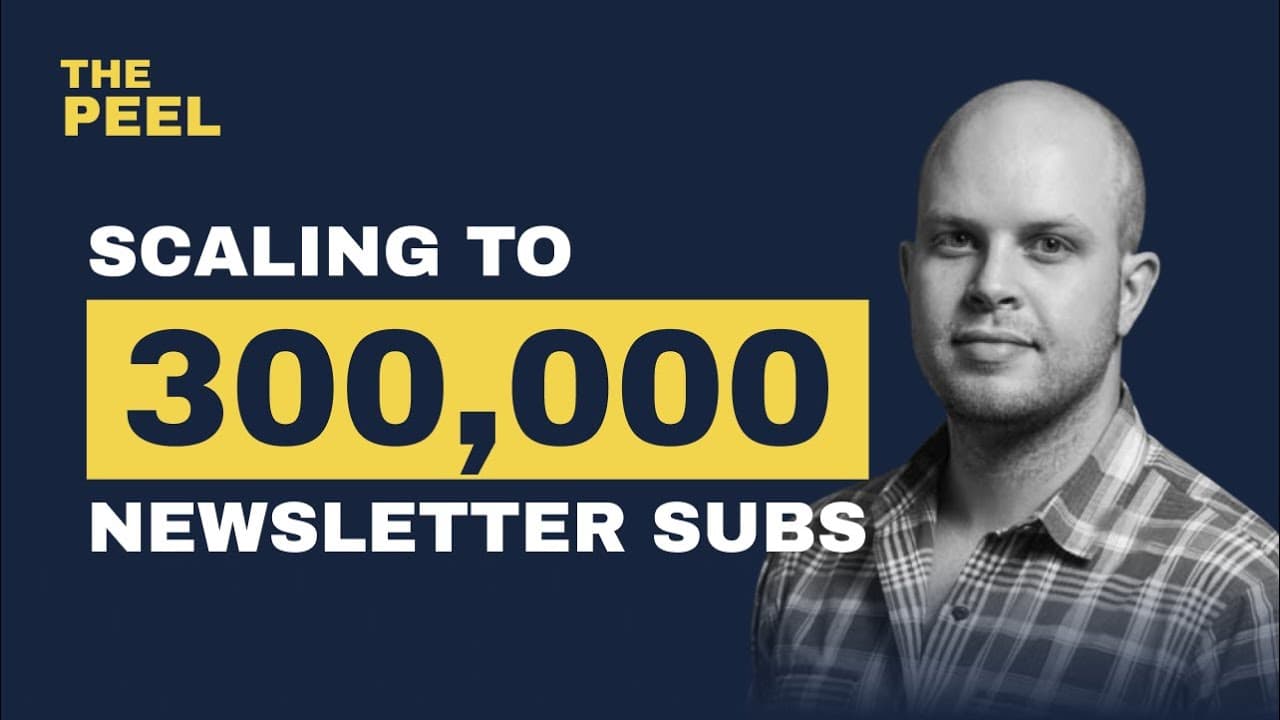
Daily newsletters can become habit-forming media products because they arrive in an inbox readers already check and can develop a recognizable voice. Kendall Baker built Sports Internet with a lean operation, spent nothing on growth, earned sponsorship revenue, and sold the newsletter to Axios after recognizing that focused email products could attract engaged audiences and higher advertising rates than banner ads.
Transcript
there's a very intentional push around soccer right now in the lead up to the 2026 World Cup we're three years out MLS has long been seen behind NHL but I think Messi is such a game-changing signing MLS is legitimately in the conversation in a way they haven't been so the field is going to be 48 teams it's going to b... Read More
Key Insights
- The newsletter business developed when publishers began treating email as the primary product rather than a promotional list of website links. The Skimm demonstrated around 2013 that a daily briefing could form the foundation of a media company instead of merely supporting one.
- Daily newsletters are highly habit-forming because they arrive at a predictable time inside an application readers already check frequently. Readers can scan one story, read every item, or follow links according to their interests, making email more flexible than a linear daily podcast.
- Newsletter advertising can command higher CPM rates than website banner advertising because readers actively open the product and develop a relationship with its voice. Baker says advertisers value placement within a recurring, recognizable publication that feels connected to its audience.
- The Hustle shifted toward a daily newsletter after Baker proposed covering each day’s major headlines directly in email. This approach replaced a newsletter that mainly collected the company’s weekly blog articles and helped make email a central product rather than a distribution accessory.
- Focused newsletter companies can operate with lean teams because they publish one tightly edited product instead of many separate website articles throughout the day. Baker cites small operations such as the early Morning Brew and his own Sports Internet as examples of this model.
- Strong newsletter writing depends on removing unnecessary material because readers want the most useful information amid an overwhelming volume of content. The episode frames deletion and tight editing as defining habits of effective writers working in concise daily formats.
- Sports Internet became a sellable media property after Baker launched it in 2017, found sponsorship revenue, and chose to spend zero dollars on growth. Axios acquired the daily sports newsletter in 2019, showing that focused editorial products can create strategic value.
- U.S. soccer is gaining momentum through an intentional push toward the 2026 World Cup and Lionel Messi’s arrival in MLS. Baker predicts that the expanded 48-team tournament will be the largest World Cup and will break every viewership record.
Install to Summarize YouTube Videos and Get Transcripts
Explore YouTube Video Summarizer or Get YouTube Transcript Extractor
Questions & Answers
Q: How can a daily newsletter become a media business?
A daily newsletter becomes a media business when the email itself is the main editorial product rather than a list directing readers to website articles. Publishers can summarize important headlines, explain why they matter, develop a recognizable voice, and sell advertising inside each edition. Baker says this structure can support a lean team while producing recurring reader attention and higher CPM rates than banner advertising.
Q: Why are daily newsletters so habit-forming?
Daily newsletters arrive at a predictable cadence in an inbox that people already check for messages from colleagues, bosses, friends, and family. Readers can open an edition with coffee or during a commute, then choose how deeply to engage. They may read every word, select one leading story, or follow an item into a longer information trail.
Q: Why can newsletter ads earn higher CPM rates?
Newsletter ads can earn higher CPM rates because advertisers see email as a recurring product with an attentive audience, a clear voice, and a direct connection to readers. Baker contrasts this with banner ads, which people may have learned to ignore. A sponsor placed inside a newsletter can become associated with a publication readers intentionally open as part of a regular routine.
Q: How did Kendall Baker change The Hustle’s content strategy?
Baker proposed that The Hustle move beyond a newsletter containing the best blog articles from the week and create a daily email covering the day’s major headlines. The company launched that format in 2016. The change treated the newsletter as original editorial work and reflected a broader industry shift toward sending valuable content directly instead of using email mainly to promote a website.
Q: How did Kendall Baker build Sports Internet?
Baker launched Sports Internet in 2017 as a daily sports newsletter after first considering the idea while working at ESPN. He developed it as a focused operation, obtained sponsorship revenue, and spent zero dollars on growth. The product eventually attracted Axios, which acquired it in 2019, two years after its launch.
Q: What makes concise writing effective in a newsletter?
Concise writing helps readers identify the most important information without navigating the full volume of material published each day. The episode emphasizes that strong writers delete more than they write, which supports a shorter and tighter product. For a daily newsletter, careful removal keeps the edition useful, preserves its voice, and respects the limited attention of readers maintaining a recurring habit.
Q: Why did media companies shift from blogs to newsletters?
Media companies recognized that they could publish similar material through one focused email, reach readers directly, and potentially receive higher advertising rates. Instead of creating many articles and later collecting links in a newsletter, they could make the newsletter the destination. Baker says this model can cut through information overload, strengthen the publication’s voice, and allow a smaller team to operate the business.
Q: Why does Kendall Baker expect U.S. soccer to grow?
Baker points to an intentional push around soccer before the 2026 World Cup and describes Lionel Messi’s MLS signing as a major development for the league. He says MLS is entering the conversation in a way it had not previously. With the tournament expanding to 48 teams, he predicts it will become the biggest World Cup and break every viewership record.
Summary & Key Takeaways
-
Kendall Baker traces newsletter businesses from The Skimm around 2013 through the expansion of daily email products in 2015 and 2016. Media companies realized they could stop treating newsletters as collections of website links and instead publish original, concise coverage directly in readers’ inboxes, often with leaner teams and a focused editorial product.
-
At The Hustle, Baker proposed replacing the company’s weekly collection of blog articles with a daily newsletter covering major headlines. He argues that email helps publishers cut through information overload, establish a consistent voice, and build a recurring reader habit because each edition arrives alongside messages from colleagues, bosses, friends, and family members.
-
Baker later launched Sports Internet in 2017, spent no money on growth, secured sponsorship revenue, and sold the publication to Axios in 2019. His experience connects writing, audience development, advertising, and sports media, while his outlook on soccer emphasizes Lionel Messi’s MLS arrival and the expected scale of the 2026 World Cup.
Read in Other Languages (beta)
Share This Summary 📚
Summarize YouTube Videos and Get Video Transcripts with 1-Click
Try YouTube Summary with ChatGPT & Claude or YouTube Transcript Generator
Explore More Summaries from The Peel with Turner Novak 📚

Summarize YouTube Videos and Get Video Transcripts with 1-Click
Try YouTube Summary with ChatGPT & Claude or YouTube Transcript Generator