Bob Sutton: A Good Boss or a Bad Boss?
Transcript
Read and summarize the transcript of this video on Glasp Reader (beta).
Install to Summarize YouTube Videos and Get Transcripts
Explore YouTube Video Summarizer or Get YouTube Transcript Extractor
Summary
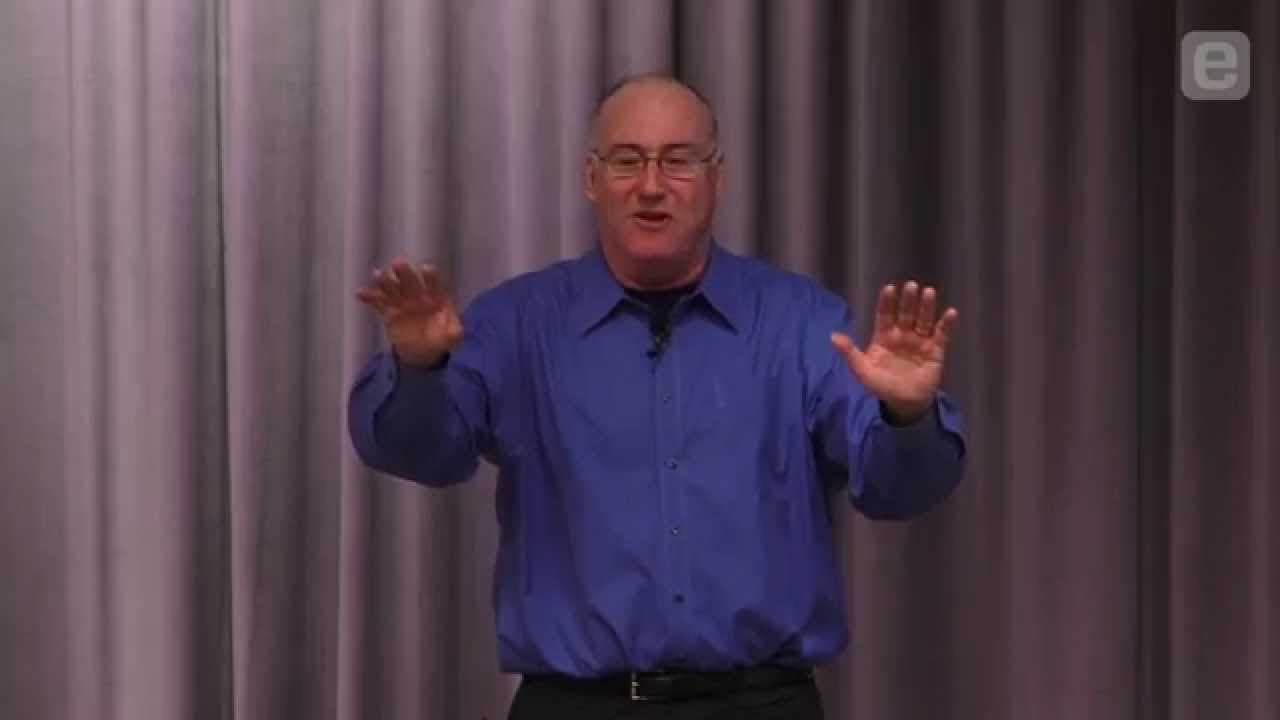
In this video, the speaker discusses how to evaluate a potential boss to determine if they are a good fit for you. He advises not to believe everything they say during an interview and suggests looking for certain red flags. These include their use of "I" instead of "we," always taking credit for projects, and considering feedback from former employees. He shares an example of his wife's experience with a famous attorney who turned out to be an "asshole."
Questions & Answers
Q: How should you approach evaluating your potential boss's claims during an interview?
The speaker advises not to believe everything a potential boss says during an interview. He compares it to an employment interview, where individuals often exaggerate and present themselves in the best light. Interviews are not accurate predictors of the actual working environment or the boss's behavior.
Q: What red flags should you look out for during an interview?
Two red flags mentioned by the speaker are the excessive use of "I" instead of "we" and always taking credit for projects. When a boss consistently uses "I" rather than "we," it may indicate that they are unwilling to share credit and work collaboratively. Additionally, if a boss always portrays themselves as the sole contributor to project successes, it suggests they may be inclined to take credit for your work as well.
Q: How can you gather information about a potential boss's behavior?
The speaker recommends seeking feedback from former employees who have worked for the potential boss. If possible, reach out to someone who used to work for them and engage them in a conversation about their experiences. By doing so, you can gain valuable insights into the boss's management style, behavior, and how they treat their subordinates.
Q: Can you provide an example related to evaluating a potential boss's behavior?
The speaker shares an example involving his wife, who was offered a job by a famous litigation attorney towards the end of her legal career. Before accepting the position, she decided to reach out to someone who had recently quit working for the attorney. This individual revealed that the attorney was verbally abusive and difficult to work with. As a result, his wife turned down the job offer. When she informed the attorney about her decision, he reacted angrily and confirmed the negative feedback.
Q: Are there any additional considerations when evaluating a potential boss?
The speaker suggests exploring the concept of the "no-asshole rule," which emphasizes the importance of working in a respectful and supportive environment. It is essential to assess a potential boss's adherence to this principle, as relationships with bosses can significantly impact one's job satisfaction and overall well-being.
Q: What should you do if you encounter a potential boss who exhibits negative behaviors?
If you encounter a potential boss displaying negative behaviors, it is crucial to trust your instincts and consider if working in such an environment is in your best interest. It may be necessary to prioritize your well-being and seek opportunities elsewhere, where you can find a boss who aligns with your values and provides a positive and healthy work environment.
Q: Can you expand on the importance of gathering feedback from former employees?
Gathering feedback from former employees who have worked for the potential boss can provide crucial insights into their management style and behavior. Former employees are often more honest and transparent about their experiences, as they no longer have an active stake in the organization. Their feedback can help you evaluate the boss's communication, leadership, and how they handle conflicts or challenges within the team.
Q: How can evaluating a potential boss impact your career?
Evaluating a potential boss carefully can have a significant impact on your career trajectory and job satisfaction. A boss who fosters a positive and supportive work environment can enhance your growth opportunities, provide mentorship, and contribute to your overall professional development. On the other hand, a boss with negative behaviors can create a toxic workplace, hinder your progress, and lead to stress and dissatisfaction.
Q: What can you learn from the example shared by the speaker?
The speaker's example highlights the importance of verifying a potential boss's behavior before accepting a job offer. His wife's experience with the famous litigation attorney showcases the power of gathering insights from former employees and the potential repercussions of working with someone who displays negative behaviors. By prioritizing the well-being of yourself and your career, you can make informed decisions and avoid toxic work environments.
Q: What other resources can you use to evaluate a potential boss's reputation?
Besides reaching out to former employees, you can also utilize online platforms such as LinkedIn, Glassdoor, or professional networks to gather more information about a potential boss's reputation. Employee reviews and endorsements on these platforms can provide additional perspectives on the boss's leadership style, work ethic, and treatment of employees.
Takeaways
Evaluating a potential boss carefully is essential for a positive work experience. During an interview, it is important to approach the boss's claims with skepticism, considering that interviews can be misleading. Red flags to look out for include excessive use of "I" instead of "we" and bosses who consistently take credit for projects. Seeking feedback from former employees can provide valuable insights into a potential boss's behavior and management style. It is vital to prioritize a respectful and supportive work environment when making career decisions.
Read in Other Languages (beta)
Share This Summary 📚
Summarize YouTube Videos and Get Video Transcripts with 1-Click
Try YouTube Summary with ChatGPT & Claude or YouTube Transcript Generator
Explore More Summaries from Stanford eCorner 📚
![Ted Zoller: Building an Entrepreneurial Career [Entire Talk] thumbnail](/_next/image?url=https%3A%2F%2Fi.ytimg.com%2Fvi%2F4nHkKu3FfHA%2Fhqdefault.jpg&w=750&q=75)
![Adam Grant: Six Ways to be an ‘Original’ [Entire Talk] thumbnail](/_next/image?url=https%3A%2F%2Fi.ytimg.com%2Fvi%2FPHBMFuqJSYw%2Fhqdefault.jpg&w=750&q=75)
![David Eagleman: A Brainy Approach to Innovation [Entire Talk] thumbnail](/_next/image?url=https%3A%2F%2Fi.ytimg.com%2Fvi%2F9N00kDGMB5w%2Fhqdefault.jpg&w=750&q=75)

Summarize YouTube Videos and Get Video Transcripts with 1-Click
Try YouTube Summary with ChatGPT & Claude or YouTube Transcript Generator