What Changes Are Coming to Google's Referrer String?
TL;DR
Google is altering its referrer string from google.com/search to google.com/url, allowing for the embedding of search queries and click positions. This change will provide website owners with clearer insights into their search performance and eliminate the need for scraping Google for rankings. Though currently impacting a small user base, this feature is expected to expand over time.
Transcript
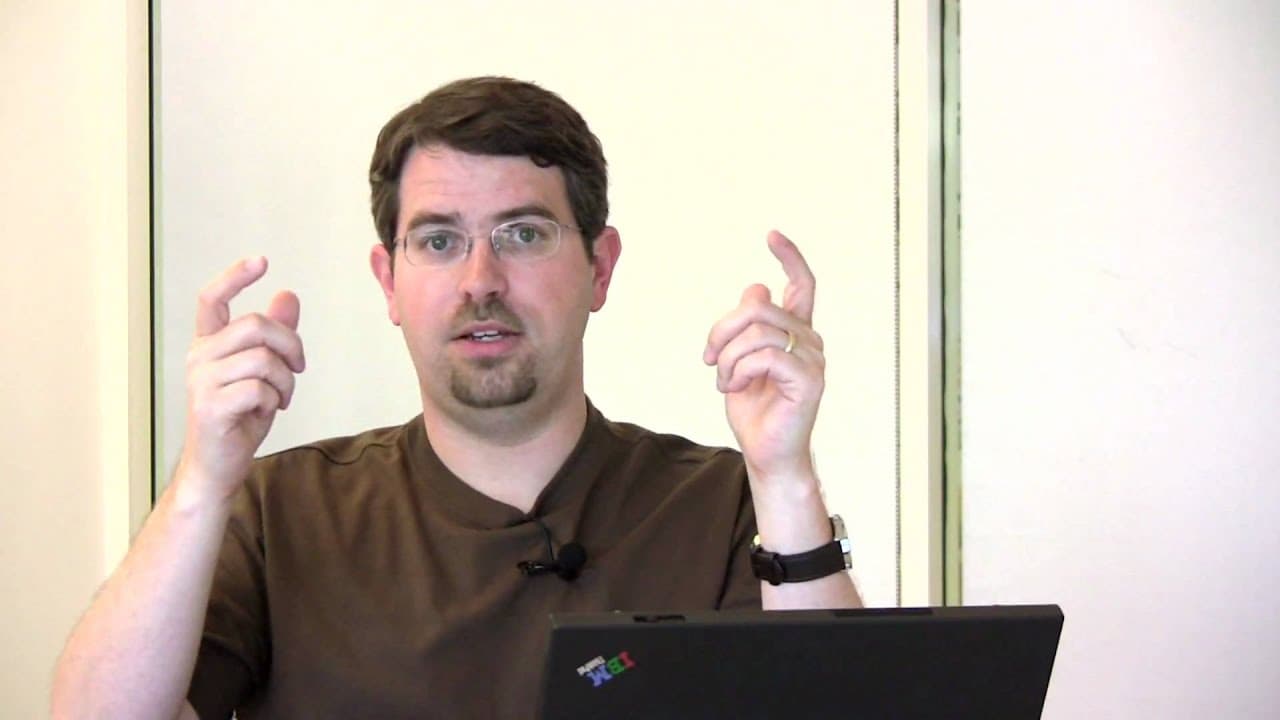
CUTTS: Hey folks whenever we started with a bunch of questions, I threw a couple of example questions in and some people wanted to hear the answer. So, people asked, "Can you talk about the change in Google's referrer string?" So that was one of my questions that got voted up, and I would be happy to. The short answer is that there is a change o... Read More
Key Insights
- Google is changing its referrer string from google.com/search to google.com/url, which will include more detailed information about search results.
- The new referrer string will embed the query and the position of the result on the page, providing valuable insights to website owners.
- This change allows website owners to determine their ranking position without needing to scrape Google for ranking reports.
- The inclusion of result position in the referrer string can significantly reduce the workload for webmasters and marketers analyzing search performance.
- Google's Universal or Blended Search results can affect perceived ranking positions due to the inclusion of images or news results.
- The change currently affects a small percentage of users but is expected to grow over time, providing more comprehensive data for analysis.
- Website owners can use the new referrer string data to enhance their analytics and improve return on investment calculations.
- Google does not guarantee the permanence of this feature, so users should take advantage of it while it is available.
Install to Summarize YouTube Videos and Get Transcripts
Explore YouTube Video Summarizer or Get YouTube Transcript Extractor
Questions & Answers
Q: What is the change in Google's referrer string?
Google is changing its referrer string from google.com/search to google.com/url. This new referrer string will include the search query and the position of the result on the page, providing more detailed insights into search performance for website owners and marketers.
Q: How does the new referrer string benefit website owners?
The new referrer string benefits website owners by embedding information about the query and the result's position on the page. This allows them to determine their ranking positions without scraping Google, reducing workload and offering more accurate data for analytics and return on investment calculations.
Q: What impact does Google's Universal Search have on ranking positions?
Google's Universal Search can affect perceived ranking positions due to the inclusion of images or news results. For instance, if images appear above a website, the site might be shown as position four, even if it is the first website result. This can influence the analysis of search rankings.
Q: Is the change in referrer string permanent?
Google does not guarantee the permanence of the new referrer string feature. While it provides valuable data for website owners and marketers, Google advises taking advantage of the insights it offers while it is available, as future changes or discontinuation are possible.
Q: How widespread is the adoption of the new referrer string?
As of the time of the discussion, the new referrer string affects only a small percentage of users. However, Google anticipates that its adoption will grow over time, eventually providing more comprehensive data for a larger segment of the user base.
Q: What kind of information does the new referrer string include?
The new referrer string includes the search query and the position of the search result on the page. This information helps website owners understand where they rank for specific queries and provides insights into user interaction with search results, aiding in better analytics and strategy development.
Q: How can website owners use the new referrer string data?
Website owners can use the new referrer string data to enhance their analytics, understand their ranking positions, and adjust their SEO strategies accordingly. By analyzing the embedded information, they can optimize their web presence, improve marketing efforts, and calculate return on investment more effectively.
Q: What challenges might arise from the new referrer string?
One challenge is the potential for confusion due to Google's Universal Search results affecting perceived ranking positions. Additionally, the feature's temporary nature means website owners must adapt quickly to changes and cannot rely on it being a permanent source of data for their analytics.
Summary & Key Takeaways
-
Google is updating its referrer string to provide more detailed information about search results, including the query and the result's position on the page. This change aims to help website owners better understand their search performance without the need for scraping Google. Although currently limited, the update is expected to expand.
-
The new referrer string, google.com/url, will indicate where on the search results page a click occurred, offering insights into ranking positions. This feature can simplify analytics and reduce the need for external ranking reports, though it may be affected by Universal Search elements like images or news.
-
Website owners can leverage the updated referrer string to gain a clearer picture of their search rankings and adjust their strategies accordingly. While the feature is not guaranteed to be permanent, it provides valuable data for optimizing web presence and improving marketing efforts.
Read in Other Languages (beta)
Share This Summary 📚
Summarize YouTube Videos and Get Video Transcripts with 1-Click
Try YouTube Summary with ChatGPT & Claude or YouTube Transcript Generator
Explore More Summaries from Google Search Central 📚



Summarize YouTube Videos and Get Video Transcripts with 1-Click
Try YouTube Summary with ChatGPT & Claude or YouTube Transcript Generator