The Grapes of Wrath by John Steinbeck | Chapter 1
TL;DR
Chapter 1 of The Grapes of Wrath depicts how drought, cracked soil, and wind create a devastating dust storm that ruins Oklahoma farmers’ corn and threatens their way of life. John Steinbeck uses poetic, figurative narration to connect the damaged land with the families who depend on it, ending with anger as a sign that the men will resist despair. Read on for the chapter’s events, symbolism, narrative structure, and central themes.
Transcript
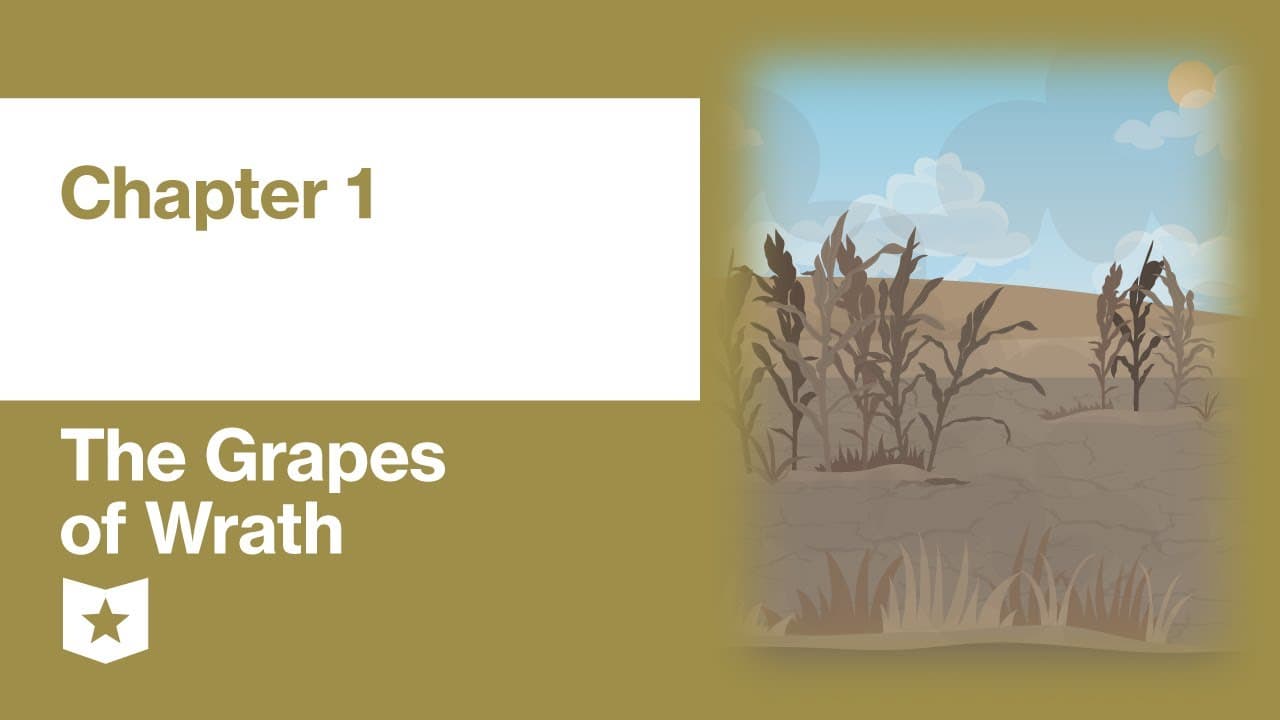
in Chapter one of The Grapes of Wrath a narrator describes the erosion of the land that led to the Dust Bowl in Oklahoma this process begins with gentle rains on the red country and part of the grey country the rain fails to penetrate the land then rain doesn't fall for a long period which causes the surface of the earth to crust and crack the cons... Read More
Key Insights
- 🥺 The erosion of the land due to lack of rain and crust formation leads to the development of the Dust Bowl, causing severe consequences for farmers.
- 😒 John Steinbeck's use of a poetic narrative style and figurative language establishes the novel's tone and conveys insights about the Dust Bowl crisis.
- ❓ The intercalary chapters provide a broader perspective on the Dust Bowl and migration, highlighting the collective experience of those affected.
- 💀 The Joad family's narrative chapters focus on their response to the crisis, emphasizing themes of resilience and the dangers of meekness.
- 💦 The connection between the farmers and the land they work is an integral aspect of the novel, emphasizing the devastating impact of the Dust Bowl on their way of life.
- 🧑⚕️ The dust storm not only affects crops and livelihood but also poses health risks and infiltrates the farmers' homes.
- 😨 The women in the novel fear their husbands' passivity and meekness in facing the crisis, highlighting the novel's theme of the dangers of meekness.
Install to Summarize YouTube Videos and Get Transcripts
Explore YouTube Video Summarizer or Get YouTube Transcript Extractor
Questions & Answers
Q: What happens in Chapter 1 of The Grapes of Wrath?
Gentle rain fails to penetrate the Oklahoma soil, and a long dry period leaves the ground crusted and cracked. A windstorm then darkens the sky with dust, uproots corn, penetrates closed homes, and leaves the farmers staring at their ruined crops.
Q: How does the Dust Bowl form in Chapter 1?
After rain fails to soak into the land, an extended dry period causes the surface to crust and crack under the sharp sun. Movement lifts the loose dirt, and a growing windstorm carries so much dust into the air that the sky darkens.
Q: How do the farmers protect themselves and their homes from the dust storm?
The men and women tie handkerchiefs over their noses and even wear goggles. They shut their houses tightly and wedge cloth around doors and windows, but dust still enters and coats their furniture and clothing.
Q: What happens after the windstorm stops?
It takes an entire day for the airborne dust to settle, leaving the earth and everything on it blanketed. The men silently examine their ruined corn, the women continue their housework, and the children draw figures in the dust with their toes.
Q: How does John Steinbeck connect the farmers to the land?
The land is the farmers’ means of sustaining life, so the destruction of the corn also destroys their livelihood and way of life. The men’s stunned reaction to the ruined crops emphasizes how deeply the farm families depend on the earth.
Q: What is the significance of anger at the end of Chapter 1?
The women initially fear that the men will meekly accept the disaster and break under its pressure. When the men become angry and begin considering what to do, the women recognize that their families will be all right, presenting anger as an alternative to passive surrender.
Q: What narrative style does Steinbeck use in Chapter 1?
Steinbeck uses a poetic narrative style and figurative language to establish the novel’s tone. His descriptions of the red sun, dust hanging like fog, and the damaged land convey the scale and emotional force of the Dust Bowl crisis.
Q: What are intercalary chapters in The Grapes of Wrath?
Intercalary chapters are short chapters that present the broader context of the Dust Bowl and the migration of thousands of people to California. They focus on people collectively and alternate with longer narrative chapters about the Joad family’s response to the crisis and migration hardships.
Summary & Key Takeaways
-
The erosion of the land in Oklahoma, caused by gentle rains and lack of rain, results in the formation of a dust storm, known as the Dust Bowl.
-
The dust storm brings severe consequences, including crop failure, loss of livelihood, and health issues for the affected farmers.
-
John Steinbeck uses a poetic narrative style to highlight the connection between the land and the farmers' way of life, emphasizing themes of resilience and the dangers of meekness.
Read in Other Languages (beta)
Share This Summary 📚
Summarize YouTube Videos and Get Video Transcripts with 1-Click
Try YouTube Summary with ChatGPT & Claude or YouTube Transcript Generator
Explore More Summaries from Course Hero 📚





Summarize YouTube Videos and Get Video Transcripts with 1-Click
Try YouTube Summary with ChatGPT & Claude or YouTube Transcript Generator