Pioneer In Science: Mary-Claire King
TL;DR
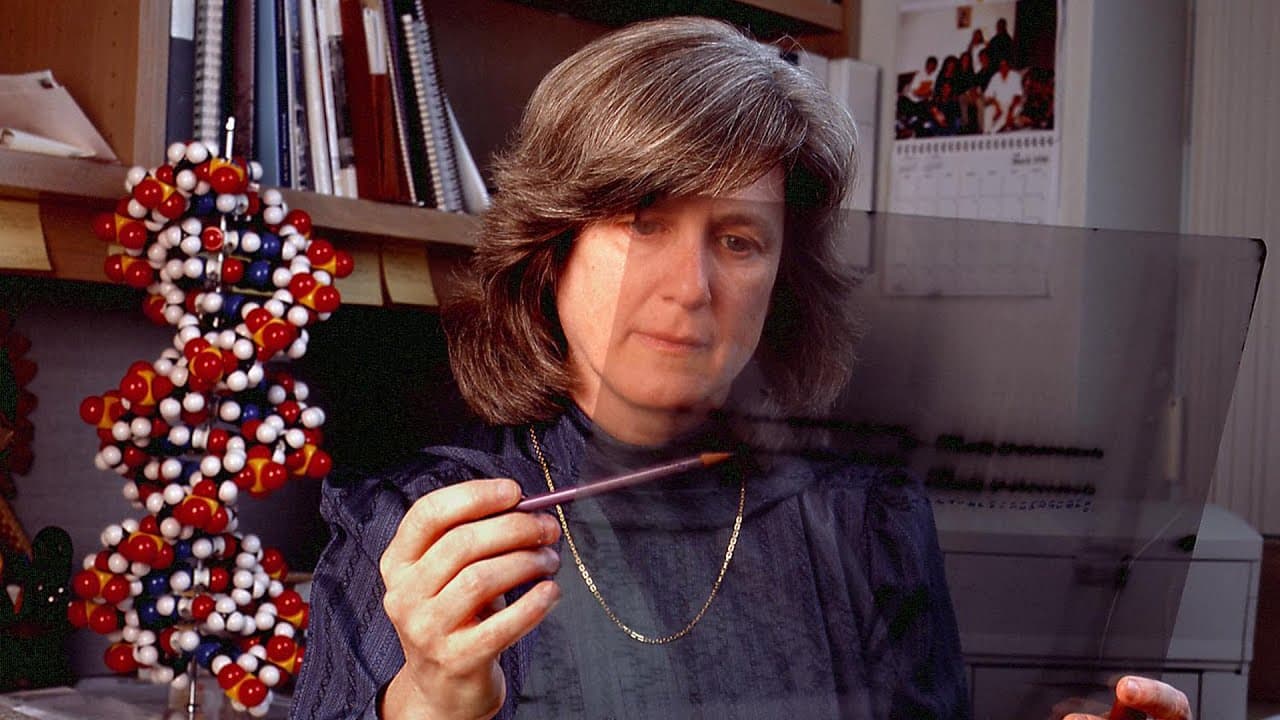
Mary-Claire King is a geneticist, teacher, mother, and human rights activist whose four “Blue Moon” achievements connected genetics with human origins, breast cancer, schizophrenia, and families separated during Argentina’s dirty war. Her Berkeley PhD work found humans and chimpanzees 99% identical in genetic structure, while her later research applied DNA sequencing to urgent human problems. Read on to explore each breakthrough and the convictions that shaped her career.
Transcript
where do you begin to tell the story of the queen of the Blue Moon do we delve into Mary Clair King's DNA for surely Bound in that curious Helix are the passion and curiosity that have fueled her magical career do we begin in her youth a childhood Bound in Puzzles and Mysteries a flute as the background score do we start instead today with a woman ... Read More
Key Insights
- 💖 Dr. Mary Clair King's passion for genetics was sparked during her time at Berkeley.
- 🍻 She made significant contributions to genetics, including identifying the genetic link between humans and chimpanzees.
- 🧑🔬 Dr. King actively participated in social movements, recognizing her responsibility as both a scientist and a citizen of the world.
- 💦 Her work involved using mitochondrial DNA sequencing to connect kidnapped grandchildren with their grandmothers during Argentina's dirty war.
- 🤱 Dr. King's discovery of the breast cancer gene revolutionized the understanding and diagnosis of the disease.
- ❓ She also uncovered the role of genetic mutations in the development of schizophrenia in otherwise healthy individuals.
- 🧑🔬 Dr. King continues to have a limitless passion and drive for genetics, inspiring young scientists to join the field.
Install to Summarize YouTube Videos and Get Transcripts
Explore YouTube Video Summarizer or Get YouTube Transcript Extractor
Questions & Answers
Q: Who is Mary-Claire King, and what is she known for?
Mary-Claire King is a geneticist, teacher, mother, and human rights activist. She describes four “Blue Moon” achievements involving human and chimpanzee genetics, kidnapped children in Argentina, breast cancer, and schizophrenia.
Q: How did Mary-Claire King become interested in genetics?
King fell in love with genetics after taking a genetics course at Berkeley in the late 1960s. She found the subject so exciting that she wondered how people could get paid to do it.
Q: What did Mary-Claire King discover about humans and chimpanzees?
For her PhD dissertation at Berkeley, King investigated the genetic link between humans and chimpanzees. Comparative protein analysis demonstrated that their genetic structures are 99% identical.
Q: What does Mary-Claire King mean by a “Blue Moon” idea?
King uses “once in a blue moon” for the rare occasions when scientific work succeeds especially well despite everyday mistakes. She says she has had four such ideas.
Q: How did Mary-Claire King help families affected by Argentina’s dirty war?
King used mitochondrial DNA sequencing to prove connections between grandmothers and grandchildren who had been kidnapped during Argentina’s dirty war in the late 1970s. She emphasized that, despite the work’s emotional impact, scientists must focus on getting the science right.
Q: What did Mary-Claire King discover about breast cancer?
In 1990, King discovered the existence of a single gene that became known as the breast cancer gene. The transcript describes this as her most famous “Blue Moon” achievement.
Q: What did Mary-Claire King’s research reveal about schizophrenia?
King’s fourth “Blue Moon” brought a new understanding of how genetic mutations contribute to schizophrenia. The transcript specifically describes these mutations as occurring in otherwise healthy individuals.
Q: How did social activism influence Mary-Claire King’s scientific career?
While at Berkeley, King became active in the anti-war and civil rights movements. She concluded that scientists are citizens of the world with responsibilities, a conviction later reflected in her work with families affected by Argentina’s dirty war.
Summary & Key Takeaways
-
Dr. Mary Clair King's passion for genetics was ignited during her time as a student at Berkeley in the late 1960s.
-
She made significant contributions to the field, such as identifying the genetic similarity between humans and chimpanzees.
-
In addition to her scientific achievements, she actively participated in social movements, realizing her responsibility as a citizen of the world.
Read in Other Languages (beta)
Share This Summary 📚
Summarize YouTube Videos and Get Video Transcripts with 1-Click
Try YouTube Summary with ChatGPT & Claude or YouTube Transcript Generator
Explore More Summaries from World Science Festival 📚

Summarize YouTube Videos and Get Video Transcripts with 1-Click
Try YouTube Summary with ChatGPT & Claude or YouTube Transcript Generator