Oliver Sacks: A Tale of Awakenings
TL;DR
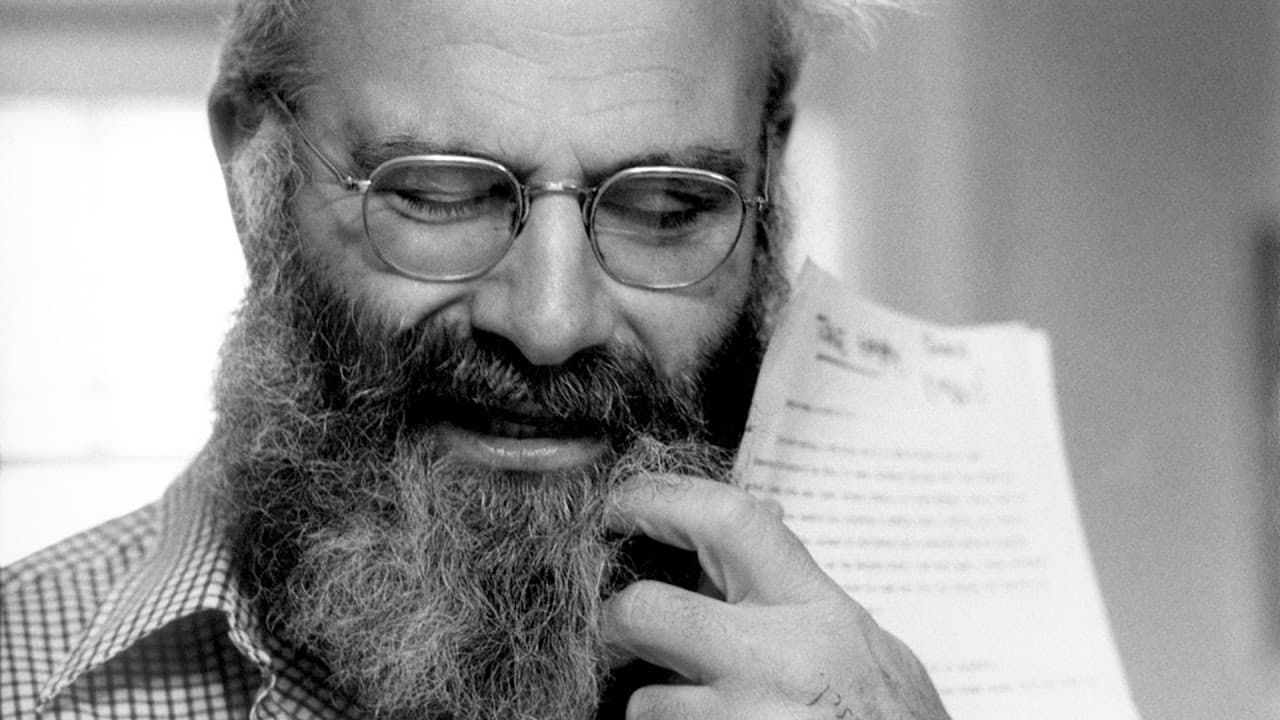
L-DOPA rapidly reawakened some of Oliver Sacks’s sleepy sickness patients after decades of profound disability. After receiving the drug in May 1969, Lola rose from her chair within seconds, moved down the passage, and began speaking; other patients came back to life during that summer. Their awakenings brought exhilaration but also problems after 30 or 40 years outside the world. Read on for their individual experiences.
Transcript
I have a clip to introduce a video clip from a BBC documentary that's never been shown in the United States this is 1974 and it's about uh something that you said inspired you to examine or to continue examining um reawakenings in the brain so let's look at the clip and then you tell us you interpret what we're seeing on his arrival sax brought all... Read More
Key Insights
- 😪 L-DOPA holds immense potential beyond Parkinson's disease, bringing hope to patients with sleepy sickness who have been immobile for decades.
- 😷 The remarkable and rapid effects of L-DOPA on patients like Lola demonstrate the power of medical advancements in providing transformative treatments.
Install to Summarize YouTube Videos and Get Transcripts
Explore YouTube Video Summarizer or Get YouTube Transcript Extractor
Questions & Answers
Q: What impact did L-DOPA have on Oliver Sacks’s sleepy sickness patients?
L-DOPA helped patients rediscover movement, conversation, and vitality after decades of profound disability. During the summer of 1969, their awakenings and enthusiasm disrupted the hospital’s established routine, although the patients later encountered problems.
Q: Why did Oliver Sacks decide to give L-DOPA to these patients?
Reports in 1967 described Dr. George Kotas’s success using L-DOPA against Parkinson’s disease symptoms. Sacks wondered whether it could also help people with much more profound and long-lasting disease, using it as a last resort as several patients deteriorated rapidly.
Q: What happened when Lola received L-DOPA?
Lola received L-DOPA in May 1969 because she could no longer swallow solid food and faced starvation. According to Sacks, her awakening occurred within seconds: she rose from her chair, moved down the passage, and burst into conversation.
Q: Who was Ed in Oliver Sacks’s account of the awakenings?
Ed was called Leonard in the book and film. He had begun freezing up as a teenager, retained his intelligence, and was among the first patients to learn about L-DOPA after reading about it in 1967.
Q: How did Ed initially respond to L-DOPA?
Ed initially gloried in the drug’s effects and became exuberant and almost manic. The summer of 1969 was a wonderful period for him, but he later encountered problems, as the other patients did.
Q: Why did Ed call L-DOPA “resurrectamine”?
Ed read newspaper reports about L-DOPA and dopamine in 1967. He called the drug “resurrectamine” because he and other patients wondered whether the seemingly impossible could happen and they could be resurrected.
Q: How did awakening affect patients’ sense of time?
Awakening could leave patients caught between the present and the period when their illness began. One woman who developed sleepy sickness in 1926 and had been frozen for 43 years knew it was 1969 but said she felt it was still 1926.
Q: What did Sacks observe before treating the patients with L-DOPA?
Sacks observed that patients who appeared severely physically disabled could briefly rediscover their lost coordination. After bringing the sleepy sickness patients into one ward, he also sought friends and relatives who had lost contact with them and formed relationships with the patients himself.
Summary & Key Takeaways
-
In 1967, a breakthrough using L-DOPA shows promise in treating Parkinson's disease, leading Dr. George Kotas to explore its potential for patients with sleepy sickness.
-
Lola, a patient on the verge of starvation due to her deteriorating condition, is given L-DOPA and experiences a remarkable awakening within seconds.
-
Over the summer of 1969, many patients reawaken and regain their vitality, bringing enthusiasm and joy to the once-shattered hospital routine.
Read in Other Languages (beta)
Share This Summary 📚
Summarize YouTube Videos and Get Video Transcripts with 1-Click
Try YouTube Summary with ChatGPT & Claude or YouTube Transcript Generator
Explore More Summaries from World Science Festival 📚
Summarize YouTube Videos and Get Video Transcripts with 1-Click
Try YouTube Summary with ChatGPT & Claude or YouTube Transcript Generator