Why Are Argentina's Human Rights Groups Shrinking?
TL;DR
Budget cuts under President Javier Milei have weakened Argentine organizations that document dictatorship-era crimes, support prosecutions, and search for children taken from detained parents. Layoffs affected workers at ESMA and related agencies, while government subsidies for the Grandmothers of Plaza de Mayo were cut, prompting protests and warnings that essential archives, investigations, and reconciliation efforts are being undermined.
Transcript
60 Minutes Overtime our story this week on 60 Minutes is about death flights during the Argentinian dictatorship of the 1970s about 30,000 were disappeared essentially murdered teachers unionists media members were thrown out of planes into the Atlantic Ocean death lives could be documented and proven Miriam Leen was once detained by the dictatorsh... Read More
Key Insights
- Argentina's dictatorship used death flights to dispose of detained people by throwing them from aircraft into the Atlantic Ocean. Miriam Lewin said this method left no trail or clues that could incriminate the military, making documentation and identification of the aircraft especially important.
- Approximately 30,000 people were disappeared during Argentina's dictatorship, according to the report. Those targeted included teachers, unionists, and members of the media, and the disappearance system effectively concealed murders while denying families clear information about what happened to their relatives.
- The appropriation of detained people's children was described as a formal program in which children were transferred to military couples. Guillermo Pérez Roisinblit learned that the people who raised him were not his biological parents and had appropriated him after his birth mother was detained.
- ESMA is a former Navy school that served as a detention and torture facility during the dictatorship. It has since become a museum and a base for human rights organizations involved in remembrance, documentation, education, and investigations into crimes committed between 1976 and 1983.
- The National Archive for Memory preserves source material connected to the dictatorship. According to the report, this documentation has been critical for prosecutions, meaning staff reductions and weakened programs could affect the preservation and practical use of evidence related to past abuses.
- The Grandmothers of Plaza de Mayo use DNA testing to identify people taken from detained parents during the dictatorship. The organization says it has found 139 children so far and estimates that hundreds of others are still waiting to be identified.
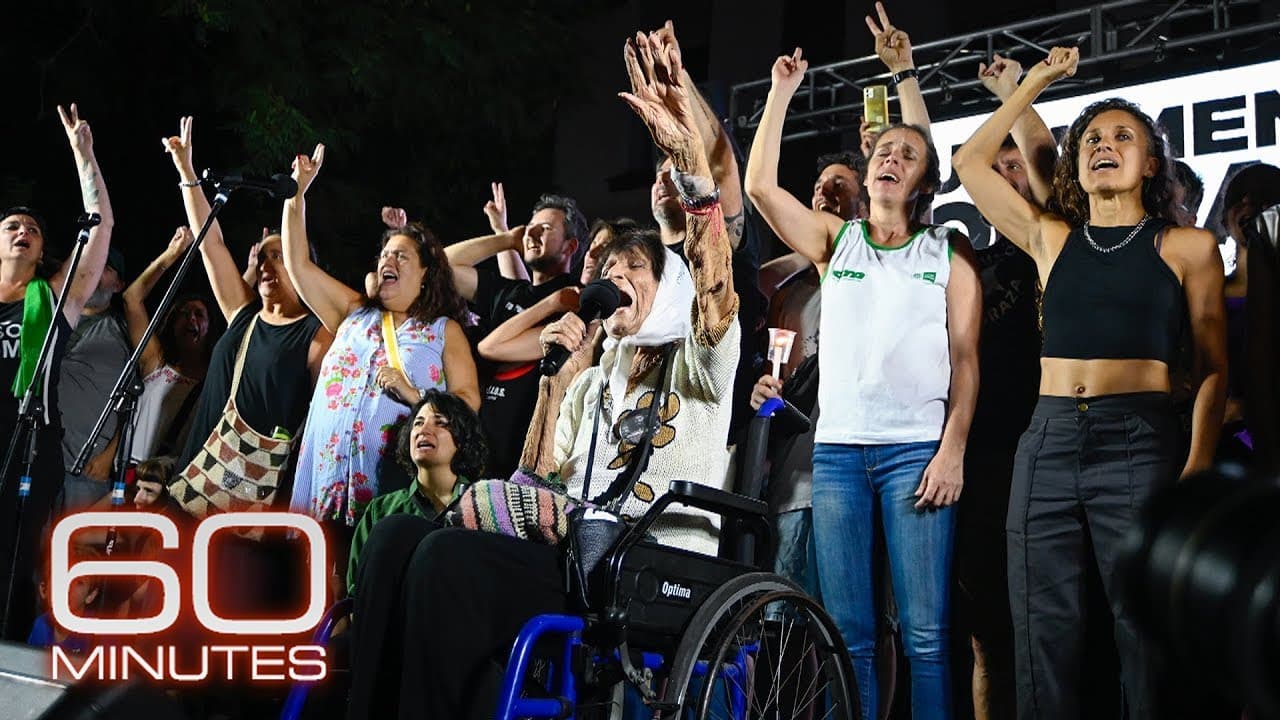
- President Javier Milei campaigned on promises to slash public budgets and displayed a chainsaw during the campaign. After taking office, his government laid off employees at ESMA and other human rights agencies, prompting thousands of people to protest at the former detention site.
- Government funding is described by the Grandmothers of Plaza de Mayo as critical to its operations. Justice Minister Mariano Cúneo Libarona announced that the subsidies had been cut and called the organization a con, while officials did not answer the report's questions about funding and layoffs.
Install to Summarize YouTube Videos and Get Transcripts
Explore YouTube Video Summarizer or Get YouTube Transcript Extractor
Questions & Answers
Q: Why did Argentina's military use death flights?
Argentina's military used death flights to murder detained people while avoiding a trail that could connect the crimes to those responsible. Prisoners, including teachers, unionists, and media workers, were thrown from aircraft into the Atlantic Ocean. Former detainee Miriam Lewin said the method left no clues that could incriminate the military, which made proving the flights and locating the aircraft particularly significant.
Q: What happened to children born to detained parents during Argentina's dictatorship?
Children of people who were detained and disappeared were sometimes transferred to military couples through what the report describes as a formal program. Guillermo Pérez Roisinblit was separated at birth from his biological mother, Patricia, while she was detained at ESMA. He described learning that the people he believed were his parents had appropriated him as an experience that severed his existing ties and left him feeling alone.
Q: What is ESMA and how is it used today?
ESMA was a former Navy school that became a detention and torture facility during Argentina's dictatorship. It has since been converted into a museum and houses human rights organizations that grew from efforts involving memory and reconciliation. Agencies based there include the National Archive for Memory, which preserves dictatorship-related source materials, and organizations working to investigate crimes, educate the public, and find people taken as children.
Q: How does the Grandmothers of Plaza de Mayo find missing children?
The Grandmothers of Plaza de Mayo uses DNA testing to identify people who were stolen or went missing as children during the dictatorship. The organization says it has identified 139 children so far and believes hundreds more remain to be found. Its work depends on staff, records, programs, and financial support that allow it to continue investigating identities and connecting individuals with their biological families.
Q: Why were human rights workers laid off in Argentina?
The layoffs followed President Javier Milei's campaign promise to slash public budgets. After taking office, his government reduced spending across various public agencies, including institutions operating at ESMA and other bodies focused on human rights. Employees who investigate, document, preserve, and teach the public about crimes committed during the 1976 to 1983 dictatorship were among those dismissed by the government.
Q: How did people respond to the layoffs at ESMA?
Thousands gathered at the former ESMA detention site to protest the dismissal of workers from human rights agencies. Miriam Lewin said participants organized activities supporting the archives and the fired employees, with members of the Grandmothers and Mothers of Plaza de Mayo present. At night, demonstrators held candles around an aircraft associated with the death flights, creating what Lewin described as a moving scene.
Q: What funding was cut from the Grandmothers of Plaza de Mayo?
The Grandmothers of Plaza de Mayo had received government subsidies for decades and said that support was critical to its operations. In early January, Justice Minister Mariano Cúneo Libarona wrote that he had ended all government funding for the organization and called it a con. The report sought clarification from him about the subsidies but did not receive a response.
Q: How could the budget cuts affect Argentina's dictatorship investigations?
The budget cuts could weaken the workers, programs, archives, and documents needed to preserve evidence and continue investigations into dictatorship-era crimes. The National Archive for Memory holds source material described as critical for prosecutions, while the Grandmothers of Plaza de Mayo relies on DNA testing and records to identify missing children. Miriam Lewin argued that undermining these institutions also prevents unresolved wounds from healing.
Summary & Key Takeaways
-
Argentina's 1970s dictatorship used so-called death flights to murder detained people without leaving evidence that could incriminate the military. Approximately 30,000 people were disappeared, including teachers, unionists, and media workers. Miriam Lewin, who was detained during that period, later helped locate aircraft connected to these crimes.
-
Children born to detained people were sometimes transferred to military couples. Guillermo Pérez Roisinblit was separated at birth from his biological mother, Patricia, while she was held at ESMA. The Grandmothers of Plaza de Mayo use DNA testing to identify such children, reporting 139 identifications and estimating that hundreds remain missing.
-
President Javier Milei campaigned on cutting public budgets and subsequently reduced funding across government agencies. Workers at ESMA and other human rights bodies were dismissed, while subsidies for the Grandmothers of Plaza de Mayo ended. Protesters argue that these measures threaten archives, prosecutions, public education, and continued efforts to address dictatorship-era abuses.
Read in Other Languages (beta)
Share This Summary 📚
Summarize YouTube Videos and Get Video Transcripts with 1-Click
Try YouTube Summary with ChatGPT & Claude or YouTube Transcript Generator
Explore More Summaries from 60 Minutes 📚

Summarize YouTube Videos and Get Video Transcripts with 1-Click
Try YouTube Summary with ChatGPT & Claude or YouTube Transcript Generator