How Can You Break the Money-Shame Cycle? | TEDx #shorts
TL;DR
You can begin breaking the money-shame cycle by creating a “money autobiography” from your earliest childhood memories of receiving, spending, saving, and observing money. The money coach uses this reflection as the first step with clients and says one person can initiate change within a family. Read on for eight questions that help uncover your financial story and begin the work of change and forgiveness.
Transcript
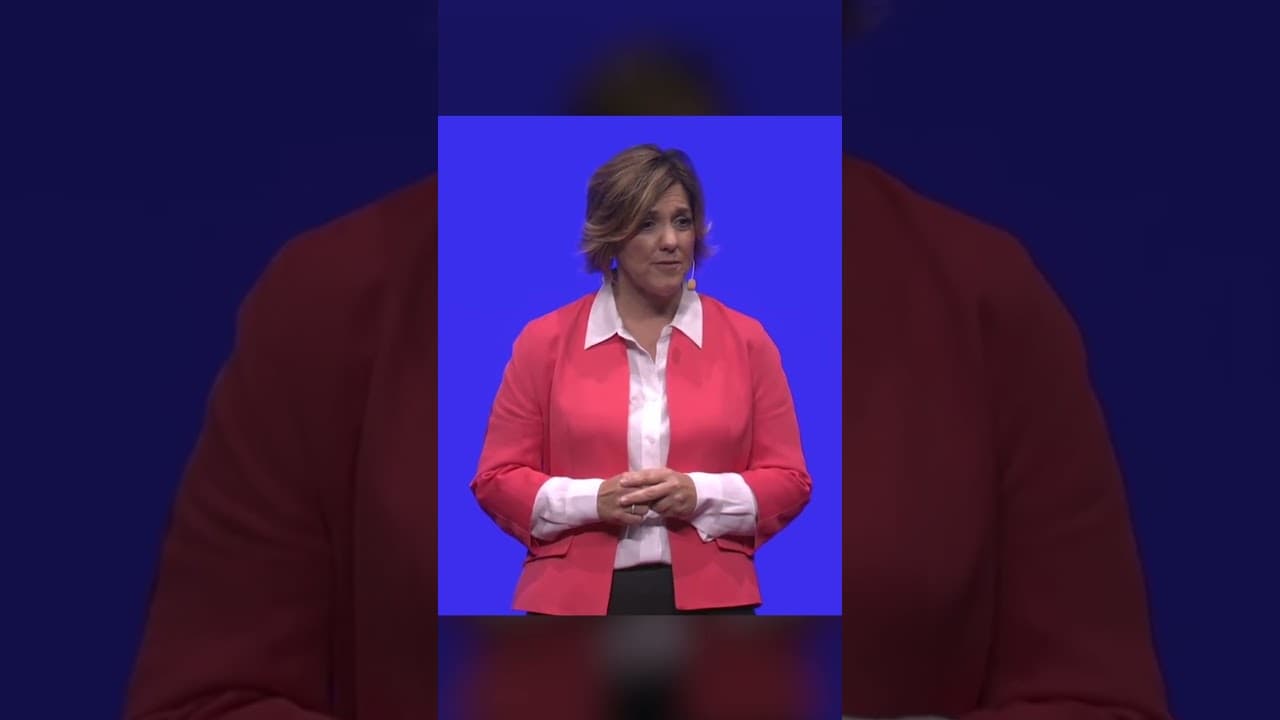
I call this your money autobiography, and as a money coach, this is the first step I take with my clients. Think back to your earliest childhood money memory. What did it feel like when you got money? Were you excited, proud or confused? And what did you do with the money? Did you run to the candy store, or did you run to the bank? And what did ... Read More
Key Insights
- 💰 Your childhood experiences with money play a significant role in your financial behavior and beliefs as an adult. Reflect on your earliest memories to understand your money mindset.
- 💸 The way you felt and what you did with money as a child can reveal your attitudes towards saving, spending, and investing. Did you prioritize instant gratification or think long-term?
- 🏦 Observing your parents' behavior around money can influence your own financial habits. Consider what you heard them say and saw them do when it came to handling money.
- 💡 Change is challenging, but remaining stuck in unhealthy financial patterns is even worse. Breaking the cycle of money shame and negative behaviors is crucial for your financial well-being.
- ❗️ Forgiveness is a transformative process that can free you from the burdens of money shame. By forgiving yourself and others, you can create space for personal growth and better financial decisions.
- 👧 It only takes one person in your family to break through the cycle of unhealthy financial behaviors. You have the power to be the catalyst for positive change and influence future generations.
- 🔄 Recognize that breaking ingrained financial patterns requires effort and commitment. Embrace the opportunity to rewire your money mindset and create new, healthier habits.
- 🌟 You have the ability to shape your own financial story. Take charge of your money autobiography and craft a future filled with financial empowerment and success.
Install to Summarize YouTube Videos and Get Transcripts
Explore YouTube Video Summarizer or Get YouTube Transcript Extractor
Questions & Answers
Q: How can you break the money-shame cycle?
Start by examining your earliest experiences with money through a “money autobiography.” The speaker says change is difficult but that one person in a family can break through the money-shame cycle.
Q: What is a money autobiography?
A money autobiography is a reflection on your earliest childhood memories involving money. It explores how receiving money felt, what you did with it, and what you heard and observed from your parents.
Q: What is the first step the money coach takes with clients?
The first step is asking clients to create their money autobiography. They begin by thinking back to their earliest childhood money memory.
Q: Which emotions should you explore in your earliest money memory?
Consider how you felt when you received money as a child. The speaker specifically asks whether you felt excited, proud, or confused.
Q: Why examine what you did with money as a child?
The money autobiography includes recalling what you did after receiving money. The speaker contrasts running to the candy store with running to the bank, prompting reflection on spending or saving.
Q: Why reflect on your parents’ behavior with money?
The exercise asks you to remember what you heard your parents say about money and what you saw them do with it. These observations are part of the childhood money story the coach asks clients to examine.
Q: What does the speaker say about changing family money patterns?
The speaker acknowledges that change is difficult but says that, in her family, not changing is fatal. She urges listeners to do the work needed to break through the family’s money-shame cycle.
Q: What result did the speaker experience after doing the work?
The speaker says she experienced deep and profound forgiveness after doing the work. She closes by emphasizing that it takes only one person in a family to break through the money-shame cycle.
Summary & Key Takeaways
-
Money coach takes clients through the process of identifying their money autobiography by reflecting on their earliest childhood money memories and emotions associated with money.
-
Clients are asked to recall how they spent or saved money and what they observed their parents doing with money.
-
Author emphasizes the importance of breaking the cycle of money-shame in families and encourages clients to be the one to initiate change.
Read in Other Languages (beta)
Share This Summary 📚
Summarize YouTube Videos and Get Video Transcripts with 1-Click
Try YouTube Summary with ChatGPT & Claude or YouTube Transcript Generator
Explore More Summaries from TED 📚





Summarize YouTube Videos and Get Video Transcripts with 1-Click
Try YouTube Summary with ChatGPT & Claude or YouTube Transcript Generator