What Are the Gender Issues in Sports and Health?
TL;DR
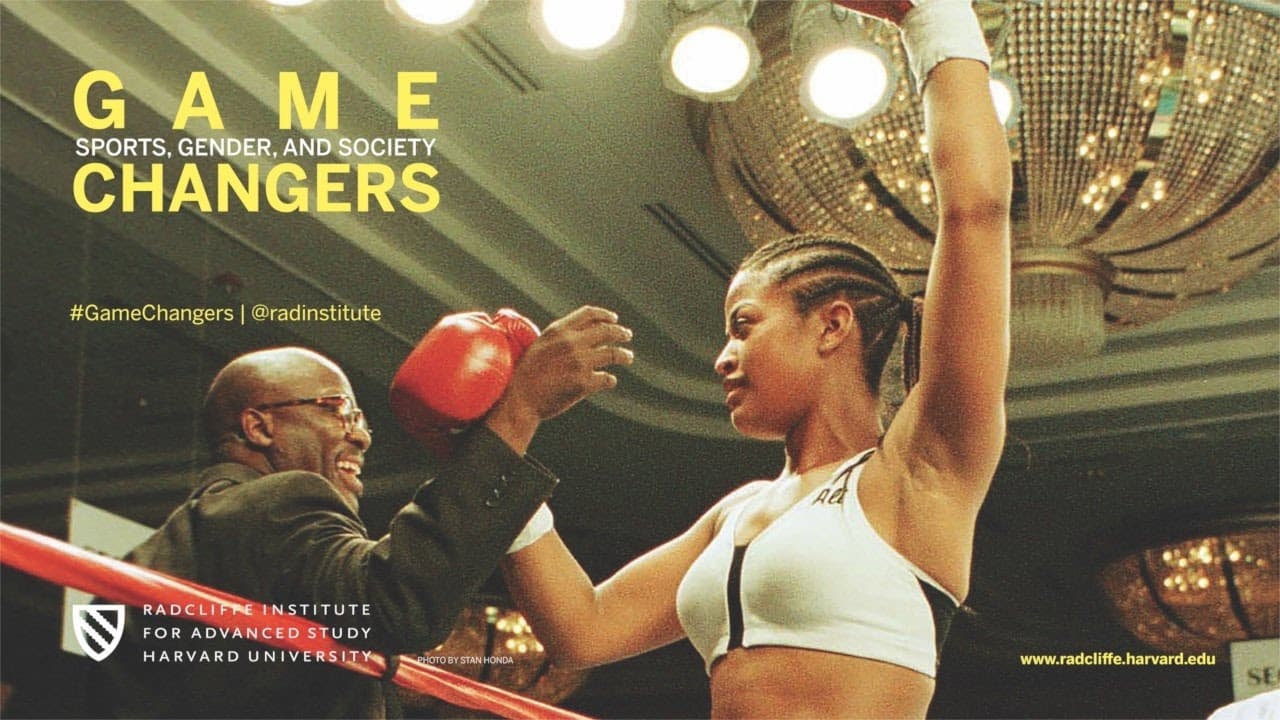
Gender issues in sports and health include disparities in injury rates, such as higher ACL tears and concussions among women, and the need for prevention strategies over treatment. Access to equitable community sport is crucial for promoting health, particularly for marginalized groups like low-income girls and women, as it fosters social connectedness and well-being.
Transcript
[MUSIC PLAYING] - I want to welcome you back to our second panel, which is on gender, sports, health, and wellness. And it's my real pleasure to introduce our moderator, Dr. Cheri Blauwet, who I know from organizing on the panel and who I knew already as a doctor of physical medicine and rehabilitation at Harvard Medical School, my own hospital-- B... Read More
Key Insights
- 🧑⚕️ Health is a political issue and a right of social citizenship, and gender disparities in health and wellness are shaped by power dynamics and social determinants.
- 🚙 Access to equitable community sport is an access-to-health issue, as social connectedness and participation in community sport can contribute to overall well-being.
- 👩 The provision and delivery of community sport often overlook the health implications, particularly for vulnerable groups such as low-income girls and women.
- ⚾ Prevention should be prioritized over treatment in the realm of sports health and wellness by addressing systemic issues, promoting a shift in the culture of sport, and investing in research and evidence-based guidelines.
Install to Summarize YouTube Videos and Get Transcripts
Explore YouTube Video Summarizer or Get YouTube Transcript Extractor
Questions & Answers
Q: How are gender disparities addressed in the treatment of sports injuries?
Gender disparities in sports injuries, such as the higher rate of ACL tears in women, are being addressed through research and education. This includes understanding the differences in neurobiology and biomechanics between men and women to develop targeted prevention and treatment strategies. Additionally, efforts are being made to improve access to care and support for women athletes in terms of rehabilitation, mental health support, and injury prevention programs.
Q: How can community sport be made more accessible and equitable for low-income girls and women?
Initiatives that prioritize accessibility and equity for low-income girls and women in community sport need to consider their different participation prerequisites and involve them in the decision-making process. This may involve addressing barriers such as lack of financial resources, providing free childcare, and offering programs that meet their specific needs and interests. By taking a bottom-up approach and including marginalized groups in program development, community sport can be more inclusive and promote health and well-being for all.
Q: How can prevention be prioritized over treatment in the realm of sports health and wellness?
Prevention can be prioritized by addressing systemic issues that contribute to sports injuries and health disparities. This includes promoting a shift in the culture of sport to prioritize well-being over winning at all costs, implementing evidence-based guidelines and policies for injury prevention, and investing in research to better understand the causes and prevention of sports injuries. Additionally, by providing access to inclusive and equitable community sport programs, individuals can engage in physical activity in a safe and supportive environment, reducing the risk of injuries and promoting overall health and well-being.
Q: How can campaigns and media pieces contribute to changing biases and expectations in sports?
Campaigns and media pieces that challenge stereotypes and promote gender equality in sports can contribute to changing biases and expectations. However, it's important to critically evaluate these campaigns to ensure they go beyond tokenism and actually challenge the underlying stereotypes and systemic barriers faced by girls and women in sports. Efforts should focus on promoting equal opportunities and increasing representation of competent and capable women in all aspects of sports, including coaching and administration roles.
Summary & Key Takeaways
-
Health and wellness are broad concepts that encompass areas such as gender disparities in sports injuries, the impact of gender on youth sport participation, and the pressure to win at all costs in elite athletes.
-
The natural history of concussion and the neurobiological differences between men and women in concussion recovery are not well understood, highlighting the need for research in this area.
-
Community sport can play a crucial role in promoting health and well-being, but access to equitable community sport is limited, especially for low-income girls and women.
-
The provision and delivery of community sport is often disconnected from health and health care systems, leading to a lack of prevention strategies and inadequate support for vulnerable groups.
Read in Other Languages (beta)
Share This Summary 📚
Summarize YouTube Videos and Get Video Transcripts with 1-Click
Try YouTube Summary with ChatGPT & Claude or YouTube Transcript Generator
Explore More Summaries from Harvard University 📚





Summarize YouTube Videos and Get Video Transcripts with 1-Click
Try YouTube Summary with ChatGPT & Claude or YouTube Transcript Generator