Fleeting Moments That Last Forever: Violence Of and Against the Everyday
TL;DR
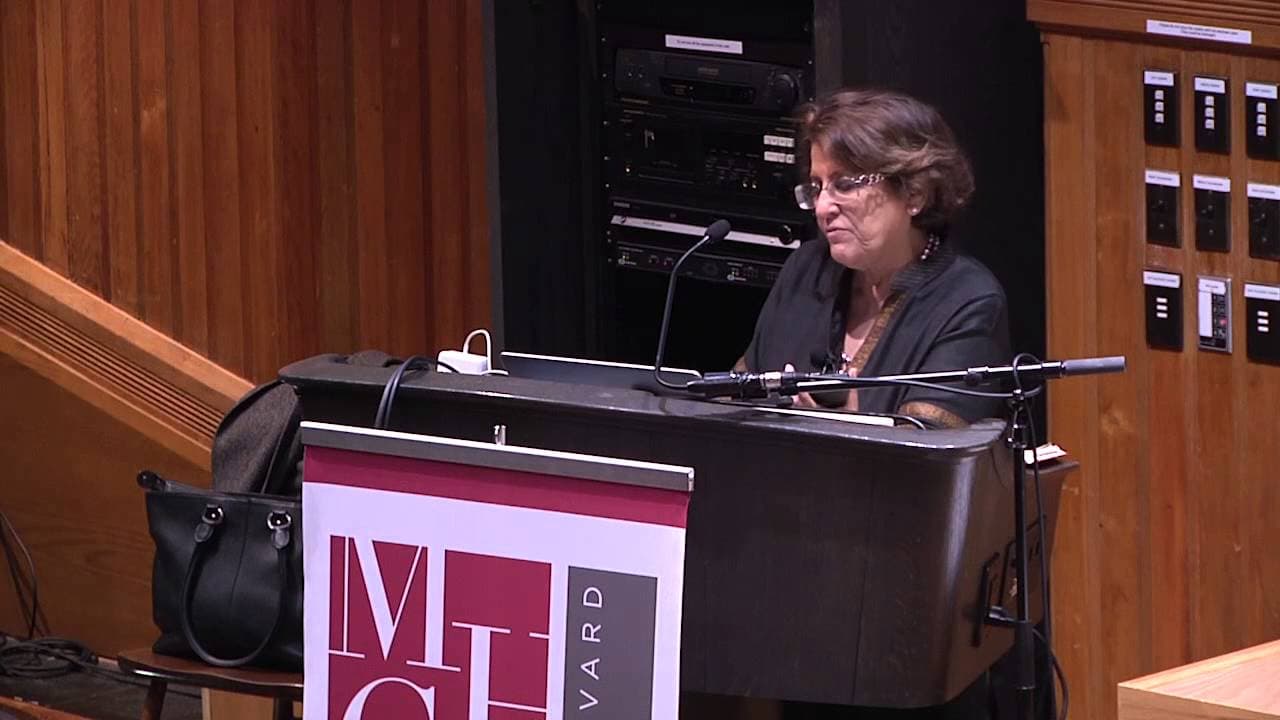
Everyday violence persists in ordinary language, naming practices, memories, social conventions, and fleeting experiences that may disappear before they can be fully expressed. In this Mahindra Humanities Center lecture, anthropologist Veena Das connects violence with ordinary ethics and challenges the assumption that only durable events with sharp boundaries matter. Read on to see how attention to subtle, half-visible moments deepens our understanding of violence.
Transcript
good evening friends it's a great pleasure to welcome you here to this evening's lecture by my friend and colleague and vadas when we decided that the theme of this year's melon seminar on violence and nonviolence at the Mahendra Humanity Center would be devoted to the subject of everyday violence we immediately knew that Vina's presence would be c... Read More
Key Insights
- 📛 Violence in the everyday is not always explicit or easily named, but is distilled into subtle practices, language, and experiences.
- 🛟 Naming practices and linguistic nuances provide glimpses into the violence that exists in everyday life and how it is absorbed and concealed.
- 👻 Memory plays a crucial role in understanding and confronting everyday violence, allowing individuals to reflect on past experiences and navigate the complexities of violence in daily life.
- 💄 Societal norms and conventions shape the perception and acceptance of everyday violence, making it difficult to recognize and address.
Install to Summarize YouTube Videos and Get Transcripts
Explore YouTube Video Summarizer or Get YouTube Transcript Extractor
Questions & Answers
Q: What is everyday violence?
Everyday violence is violence embedded in ordinary language, practices, relationships, and experiences rather than confined to spectacular events. It may be absorbed or concealed through familial obligations, social sanctions, and accepted conventions, making it difficult to name.
Q: How can fleeting moments of violence last forever?
Veena Das challenges the assumption that fleeting moments matter only when they crystallize into something durable with sharp boundaries. Such moments can continue through memory and resonate with ordinary language, even when they appear only as half-truths that vanish before they can be caught.
Q: How do naming and language help reveal everyday violence?
Naming practices and linguistic nuances offer glimpses of violence folded into everyday communication and social norms. Das suggests that particles of ordinary language can lead toward another scene of violence, although that violence may remain only partly expressible.
Q: What role does memory play in understanding everyday violence?
Memory allows people to reflect on past experiences and recognize the lasting effects of violence encountered in daily life. It can also expose the complexities of navigating relationships shaped by violence.
Q: How do social norms conceal everyday violence?
Social norms and conventions can normalize behaviors and restrict what may be openly acknowledged or discussed. This makes violence woven into daily life harder to recognize and confront.
Q: How are ordinary ethics and everyday violence connected?
Das says that the questions of ethics, the everyday, and violence are strongly tied together for her. Her lecture accompanies a larger paper called “What Does Ordinary Ethic Look Like?” and examines these connections through close attention to ordinary life.
Q: Who is Veena Das?
Veena Das is the Krieger-Eisenhower Professor of Anthropology at Johns Hopkins and a fellow of the American Academy of Arts and Sciences and the Academy of Scientists from Developing Countries. Her recent books named in the introduction include “Life and Words: Violence and the Descent into the Ordinary” and “Affliction: Health, Disease, Poverty.”
Q: How does this lecture fit into the Mellon seminar on violence and nonviolence?
The lecture was presented during the Mahindra Humanities Center’s Mellon seminar year devoted to everyday violence. The previous year considered violence, nonviolence, and conditions of war, while the following year was planned around slow violence, including ecological erosion, changing labor practices, and long-term forms of subject formation.
Summary & Key Takeaways
-
Everyday violence is not confined to spectacular events, but exists in the subtle and ordinary aspects of life, such as naming practices and linguistic nuances.
-
Violence in the everyday can be absorbed and concealed through various means, such as familial obligations or social sanctions.
-
The recognition of violence in the everyday requires a shift in perspective and understanding of its complex nature, which is often intertwined with other emotions and experiences.
Read in Other Languages (beta)
Share This Summary 📚
Summarize YouTube Videos and Get Video Transcripts with 1-Click
Try YouTube Summary with ChatGPT & Claude or YouTube Transcript Generator
Explore More Summaries from Harvard University 📚



Summarize YouTube Videos and Get Video Transcripts with 1-Click
Try YouTube Summary with ChatGPT & Claude or YouTube Transcript Generator