How GPS can make you better at running
TL;DR
GPS can make you a better runner by tracking distance, time, and speed, helping you compare runs and adjust your goals. Sharing mapped runs can add motivation: MIT researchers found that runners who shared accomplishments ran farther, faster, and longer, while Gene Lu progressed from five-mile outings to routes exceeding ten miles. Read on to understand the performance benefits, social feedback loop, creative possibilities, and privacy tradeoffs.
Transcript
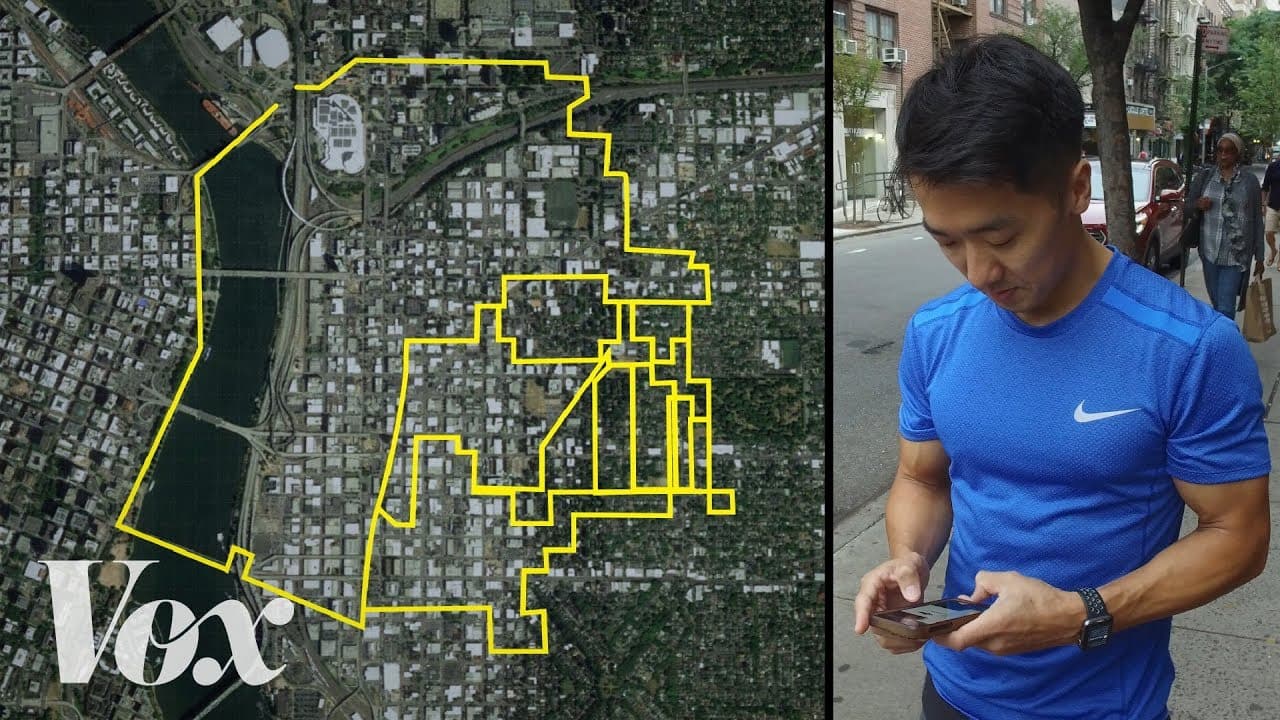
Gene Lu uses GPS to map his runs on a phone. These days, that’s pretty normal. But the way he does it, isn’t like most people. Gene is drawing something here. Before he runs, Gene spends hours mapping a route to create an elaborate drawing. He then traces it on the ground using GPS during the run. Sometimes I try to remember not the next turn, but ... Read More
Key Insights
- Gene Lu uses GPS to create elaborate drawings while running, transforming his exercise into an artistic endeavor.
- The Global Positioning System, originally developed by the US military, is now widely used by runners to track performance metrics.
- GPS technology has become more accessible and affordable, leading to widespread use among casual runners.
- Runners can monitor key performance variables such as distance, time, and speed using GPS-enabled devices.
- Social media sharing of GPS-tracked runs can motivate runners to improve their performance and inspire their friends.
- MIT research shows that sharing running achievements on social networks encourages runners to run farther, faster, and longer.
- While GPS tracking enhances running, it also raises privacy concerns by potentially exposing personal information.
- The balance between privacy and the benefits of GPS tracking is crucial, as it motivates more people to engage in running.
Install to Summarize YouTube Videos and Get Transcripts
Explore YouTube Video Summarizer or Get YouTube Transcript Extractor
Questions & Answers
Q: How can GPS make you better at running?
GPS makes distance, time, and speed easy to monitor, giving you data you can use to compare runs and adjust your distance or pace. Sharing those accomplishments can provide additional motivation to run farther, faster, and longer.
Q: Which running metrics can GPS track?
GPS can track the key performance variables of distance, time, and speed. It can also display a run on a map with its time and pace, making progress easier to review and share.
Q: Does sharing GPS-tracked runs improve running performance?
MIT researchers analyzed GPS data from millions of runners and linked it with social-network sharing. They found that runners who shared accomplishments ran farther, faster, and longer, and their friends improved too.
Q: How much can friends' running activity influence someone?
The cited MIT research found that an additional kilometer run by friends could inspire someone to run an additional three-tenths of a kilometer. It could also inspire an additional ten minutes of running.
Q: How does Gene Lu create GPS running art?
Gene Lu spends hours mapping a route that forms an elaborate drawing, then traces that route on the ground while tracking the run with GPS. He sometimes remembers two or three turns ahead, which also distracts him during the run.
Q: How did sharing GPS art affect Gene Lu's running?
Gene posted every shaped run on social media, and his friends' enthusiastic reactions encouraged him to create more. His routes eventually exceeded ten miles, even though he had previously been running only five miles.
Q: When did GPS become available to runners?
The US military created GPS in the 1970s using a network of satellites. By 2000, the government had made it fully available for public use, and the first consumer GPS watches appeared around that time.
Q: What privacy risks come with sharing GPS-tracked runs?
Shared running data can expose a person's daily routine and home address. Strava's global heatmap also unintentionally revealed detailed military information from locations where users tracked jogging routes, so runners need the ability to turn tracking on and off.
Summary & Key Takeaways
-
Gene Lu transforms his runs into art by using GPS to map out elaborate drawings, showcasing a unique way to utilize technology in exercise.
-
Originally developed for military use, GPS has become an essential tool for runners, allowing them to track performance metrics such as distance, time, and speed.
-
Sharing GPS-tracked runs on social media not only motivates individual runners to improve but also encourages their friends to enhance their running performance.
Read in Other Languages (beta)
Share This Summary 📚
Summarize YouTube Videos and Get Video Transcripts with 1-Click
Try YouTube Summary with ChatGPT & Claude or YouTube Transcript Generator
Explore More Summaries from Vox 📚



Summarize YouTube Videos and Get Video Transcripts with 1-Click
Try YouTube Summary with ChatGPT & Claude or YouTube Transcript Generator