How Do Plants Keep Track of Time with Circadian Rhythms?
TL;DR
Plants use circadian rhythms, internal biological clocks, to keep track of time and adapt to environmental cues. Phytochromes, light-sensitive molecules in plant cells, initiate chemical reactions for processes like photosynthesis, allowing plants to be active in the morning and metabolize at night. These rhythms also enable seasonal adaptations, helping plants know when to bloom.
Transcript
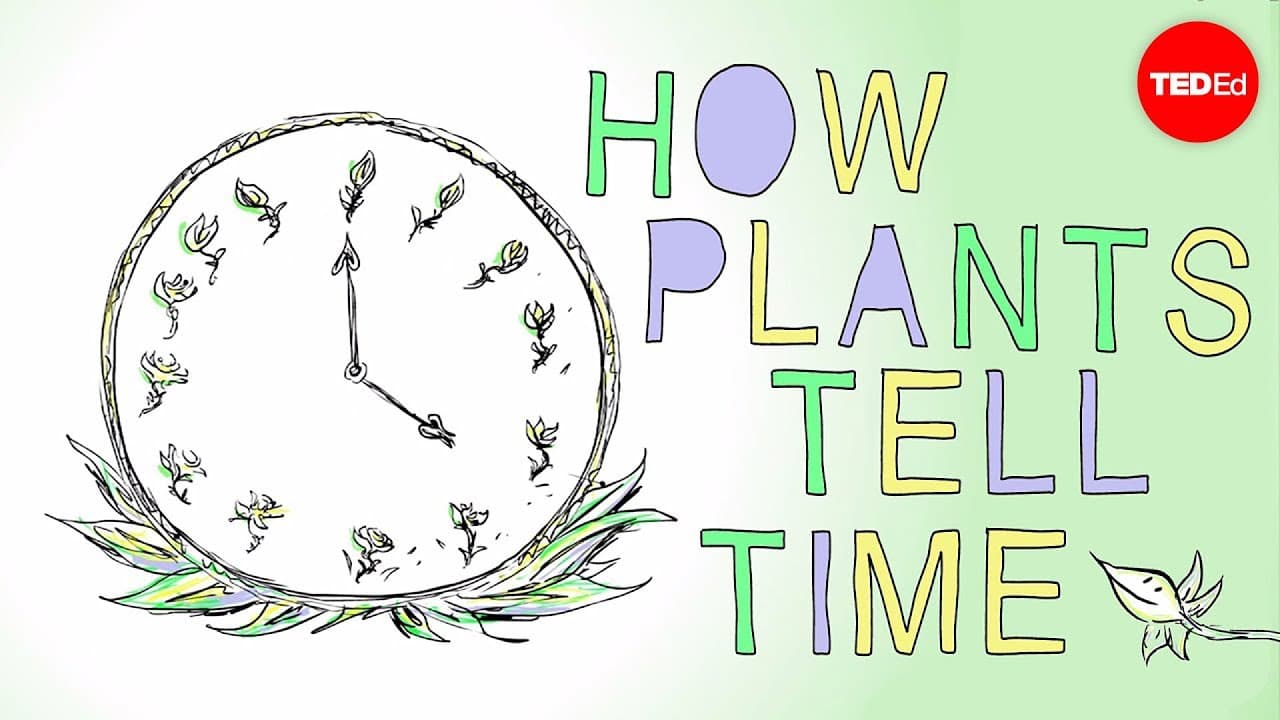
In the 18th century, Swedish botanist Carolus Linnaeus designed the flower clock, a timepiece made of flowering plants that bloom and close at specific times of day. Linnaeus's plan wasn't perfect, but the idea behind it was correct. Flowers can indeed sense time, after a fashion. Mornings glories unfurl their petals like clockwork in the early mo... Read More
Key Insights
- 💐 The flower clock designed by Carlous Linnaeus in the 18th century was inspired by the fact that flowers can sense time.
- 🪐 Circadian rhythms are the internal timekeepers in organisms that help them adapt to the planet's rotations and revolutions.
- 🙂 Phytochromes in plant cells play a crucial role in detecting light and triggering reactions for processes like photosynthesis.
- 💗 Plants are already active before sunrise, prepare for photosynthesis in the morning, and continue to metabolize and grow at night.
- 💐 Circadian rhythms also help plants have seasonal rhythms for blooming flowers.
- 🌱 Each plant has its own default circadian rhythm, but these clocks can adapt to changes and cues in the environment.
- 👻 Circadian rhythms act as a link between a plant and its environment, allowing it to stay true to its schedule.
Install to Summarize YouTube Videos and Get Transcripts
Explore YouTube Video Summarizer or Get YouTube Transcript Extractor
Questions & Answers
Q: How do plants sense time?
Plants have phytochromes, molecules that detect light and trigger chemical reactions. They sense light and can differentiate between wavelengths, allowing them to discern both time and place.
Q: Do plants only photosynthesize during the day?
No, plants are already active a few hours before sunrise and ready themselves to photosynthesize as the sun rises. They continue to metabolize and grow at night, breaking down the starch from the previous day's energy harvest.
Q: How do plants know when to bloom?
Circadian rhythms help plants sense changes in day length and temperature. Phytochromes and an unknown mechanism detect longer days and increasing light, which triggers the production of blooming flowers in preparation for pollinators.
Q: Can circadian rhythms in plants change?
Yes, while plants have default circadian rhythms, their clocks can adapt to environmental changes and cues. This allows them to stay true to their schedule and keep their own time.
Summary & Key Takeaways
-
Plants and organisms have circadian rhythms, internal timekeepers that help them keep track of time and adapt to their environment.
-
Phytochromes, tiny molecules in plant cells, sense light and trigger chemical reactions that allow the plant to carry out light-dependent processes like photosynthesis.
-
Circadian rhythms enable plants to be active early in the morning, metabolize and grow at night, and have seasonal rhythms for blooming flowers.
Read in Other Languages (beta)
Share This Summary 📚
Summarize YouTube Videos and Get Video Transcripts with 1-Click
Try YouTube Summary with ChatGPT & Claude or YouTube Transcript Generator
Explore More Summaries from TED-Ed 📚






Summarize YouTube Videos and Get Video Transcripts with 1-Click
Try YouTube Summary with ChatGPT & Claude or YouTube Transcript Generator