How to Know If Anxiety is Happening To YOU (and What to Do About It) | Mel Robbins
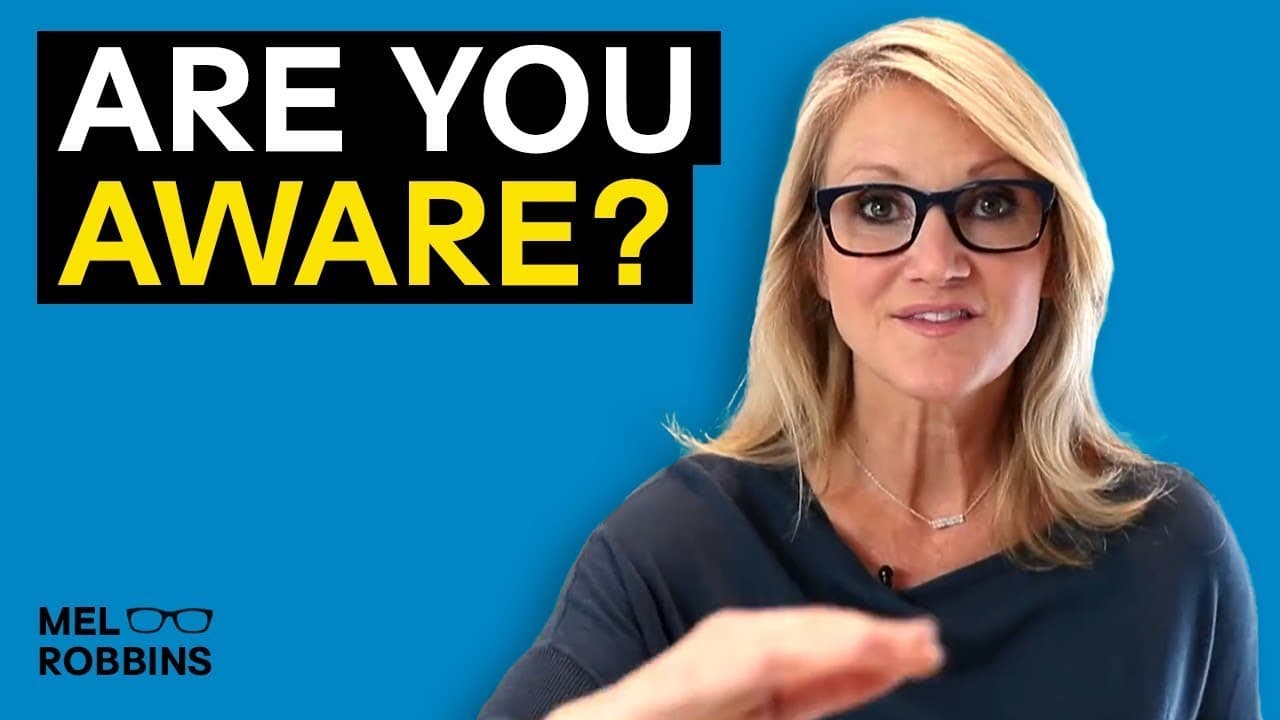
TL;DR
Taking control of anxiety requires emotional flexibility, practicing self-care, and seeking support from loved ones.
Transcript
I struggled with anxiety for 25 years and I thought it was in the rearview mirror I haven't had a panic attack a bad of anxiety anything really for about five years and boy I woke up this morning and there it was and I think the fact that I woke up feeling so anxious first of all is really scary um for me anxiety would always come in the morning an... Read More
Key Insights
- ❓ Anxiety is a normal physiological response to potential threats or uncertainties.
- 👻 Emotional flexibility, which involves allowing oneself to feel discomfort, is crucial in managing anxiety effectively.
- ✍️ Taking active steps, such as writing, talking to friends, and physical movement, can help alleviate anxiety symptoms.
- 💭 Interrupting negative thought patterns using the five-second rule can help regain control over anxious thoughts.
- 🥹 Appreciation and gratitude play a significant role in reducing anxiety and enhancing overall well-being.
- 😨 Anxiety can be managed by practicing self-care, seeking support, and engaging in activities that promote growth and learning.
- 🤳 The high five habit, using positive self-affirmations, can help combat negative self-talk and build self-love and self-worth.
- 😰 Cold exposure therapy, such as cold showers or baths, can have a calming effect on the nervous system and alleviate anxiety symptoms.
Install to Summarize YouTube Videos and Get Transcripts
Explore YouTube Video Summarizer or Get YouTube Transcript Extractor
Questions & Answers
Q: How can emotional flexibility help in managing anxiety?
Emotional flexibility involves giving yourself space to feel uncomfortable emotions instead of suppressing or denying them. By acknowledging and allowing these feelings, you can prevent them from intensifying and consuming you.
Q: How can writing and talking to friends help with anxiety?
Writing allows for an emotional release by putting thoughts and feelings onto paper. Texting or talking to friends about anxiety helps create connection and support, preventing feelings of isolation and allowing for emotional release through conversation.
Q: Can physical activity help with anxiety?
Yes, physical movement, such as walking or exercise, can help release built-up anxiety energy stored in the body. It triggers the parasympathetic nervous system and promotes a sense of calmness and control.
Q: How does emotional flexibility differ from suppressing emotions?
Emotional flexibility involves acknowledging and allowing uncomfortable emotions, while suppressing emotions involves pushing them away or pretending they don't exist. Emotional flexibility leads to greater self-awareness and growth, while suppression can lead to increased anxiety and emotional distress.
Summary & Key Takeaways
-
Anxiety can resurface even after a period of stability, causing panic and a sense of dread.
-
Emotional flexibility, which includes allowing yourself to feel discomfort and seeking support, is crucial in handling anxiety.
-
Taking active steps, such as writing, talking to friends, and exercising, can help alleviate anxiety symptoms.
Read in Other Languages (beta)
Share This Summary 📚
Summarize YouTube Videos and Get Video Transcripts with 1-Click
Try YouTube Summary with ChatGPT & Claude or YouTube Transcript Generator
Explore More Summaries from Mel Robbins 📚

Summarize YouTube Videos and Get Video Transcripts with 1-Click
Try YouTube Summary with ChatGPT & Claude or YouTube Transcript Generator