What Are Portugal's Regions and Districts?
TL;DR
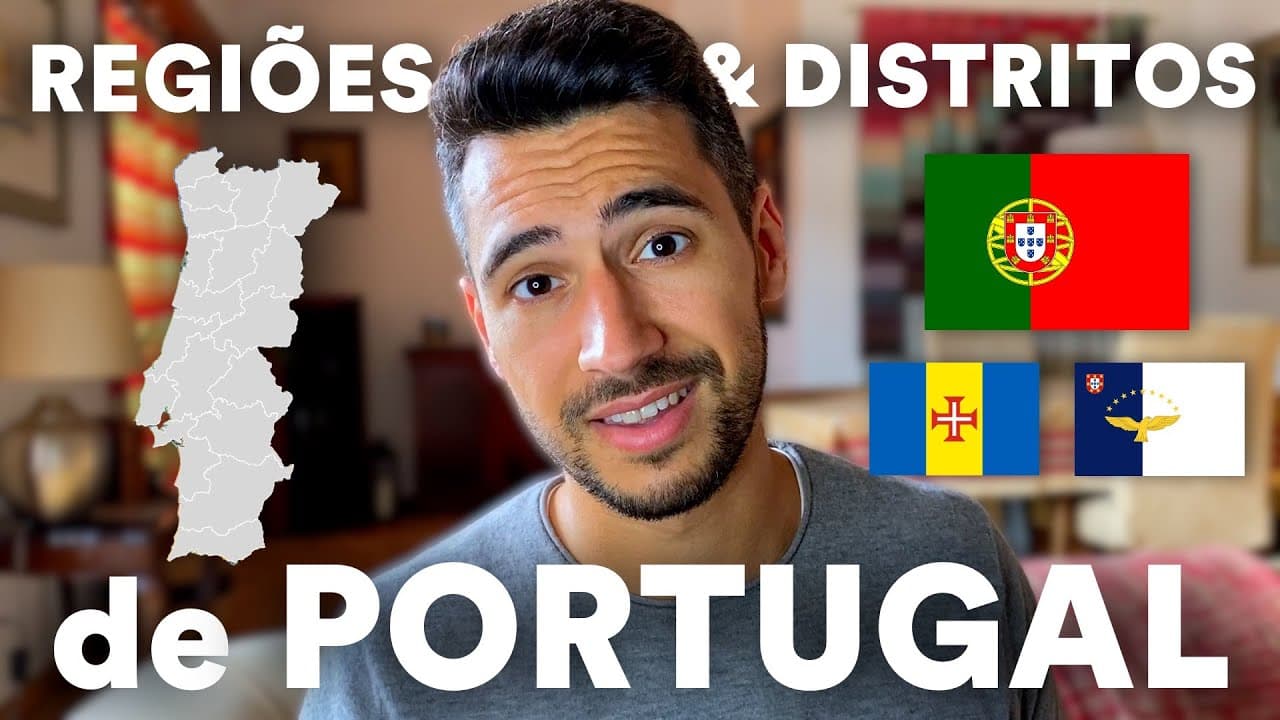
Portugal is divided into 18 districts on the mainland and 2 autonomous regions: Madeira and the Azores. Each district has unique characteristics, reflecting its history and culture. The districts are named after their capitals, while the autonomous regions have their own governments. Understanding these divisions provides insight into Portugal's rich heritage and administrative structure.
Transcript
Some countries are divided into states, others into regions and others into provinces. There are those with provinces and territories, states and territories, and others with autonomous communities, with some communities more autonomous than others. Then there are those who have countries within countries and countries within kingdoms. Portugal... Read More
Key Insights
- Portugal has 18 districts and 2 autonomous regions: Madeira and the Azores.
- Districts are named after their capital cities, which are typically the largest in the district.
- Madeira and the Azores have their own governments and legislative assemblies.
- The Azores consist of 9 islands, while Madeira consists of 4, with only 2 inhabited.
- Portugal's districts were historically provinces, a structure that changed over time.
- Lisbon is the most populous district, while Portalegre is the least populous.
- The Peneda-Gerês National Park is the only national park in Portugal, located in the Minho region.
- Several Portuguese sites are UNESCO World Heritage Sites, reflecting the country's historical significance.
Install to Summarize YouTube Videos and Get Transcripts
Explore YouTube Video Summarizer or Get YouTube Transcript Extractor
Questions & Answers
Q: How is Portugal divided administratively?
Portugal is divided into 18 districts on the mainland and 2 autonomous regions: Madeira and the Azores. Each district is named after its capital city, usually the largest in the district. Madeira and the Azores have self-governing bodies with their own governments and legislative assemblies, reflecting their autonomy within Portugal.
Q: What are the autonomous regions of Portugal?
The autonomous regions of Portugal are Madeira and the Azores. Madeira consists of 4 islands, with only 2 inhabited: Madeira and Porto Santo. The Azores are made up of 9 islands, spread across the Atlantic Ocean. Both regions have their own governments and legislative assemblies, providing a degree of self-governance.
Q: What is unique about the district of Lisbon?
Lisbon is the most populous district in Portugal, with almost a quarter of the country's population. It includes the capital city, Lisbon, which is the largest city in the country and a major cultural and economic hub. The district features UNESCO World Heritage Sites such as Mafra, Sintra, and Belém, showcasing its historical and architectural significance.
Q: What makes the Azores distinct in Portugal?
The Azores are distinct due to their geographic spread across 9 islands in the Atlantic, with significant natural beauty and unique volcanic landscapes. The region is less developed compared to mainland Portugal, with villages like Rabo de Peixe being among the poorest in Europe. The Azores also host Portugal's highest mountain, Pico, on the island of Pico.
Q: Which district in Portugal has the only national park?
The Peneda-Gerês National Park, the only national park in Portugal, is located in the Minho region, covering parts of the districts of Viana do Castelo and Braga. The park is renowned for its stunning natural landscapes, rich biodiversity, and cultural heritage, making it a must-visit for nature enthusiasts.
Q: What historical changes affected Portugal's district divisions?
Portugal's district divisions have evolved from historical provinces. Initially divided into six provinces, the structure changed following the Liberal Revolution of 1820, which proposed 10 provinces. These were later divided into districts in 1834. The Estado Novo period saw further changes, with provinces gaining prominence before districts became the primary administrative division post-1974.
Q: What are some UNESCO World Heritage Sites in Portugal?
Portugal boasts several UNESCO World Heritage Sites, reflecting its rich cultural and historical heritage. Notable sites include the Historic Centre of Porto, the Monastery of Batalha, the Convent of Christ in Tomar, and the Laurisilva of Madeira. These sites highlight Portugal's architectural, religious, and natural significance on a global scale.
Q: Why is the district of Braga notable?
The district of Braga, part of the Minho region, is notable for its historical significance and cultural heritage. Braga, the district capital, is considered the third largest city in Portugal, known for its university life and young population. Guimarães, another city in the district, is known as the 'Cradle of Portugal' and is a UNESCO World Heritage Site, highlighting its importance in Portuguese history.
Summary & Key Takeaways
-
Portugal's administrative divisions include 18 districts and 2 autonomous regions: Madeira and the Azores. Each district is named after its capital, reflecting historical and cultural uniqueness. The autonomous regions have self-governing bodies. Understanding these divisions offers insights into Portugal's rich heritage and administrative evolution.
-
The Azores, with 9 islands, and Madeira, with 4 islands, are Portugal's autonomous regions. Each has its own government and legislative assembly, providing a regional version of national governance. These regions highlight Portugal's diverse geography and autonomous administrative structure.
-
Lisbon, the most populous district, contrasts with Portalegre, the least populous. Historical shifts transformed Portugal's provinces into the current district system. Key sites like the Peneda-Gerês National Park and various UNESCO World Heritage Sites underscore Portugal's cultural and natural heritage.
Read in Other Languages (beta)
Share This Summary 📚
Summarize YouTube Videos and Get Video Transcripts with 1-Click
Try YouTube Summary with ChatGPT & Claude or YouTube Transcript Generator
Explore More Summaries from Portuguese With Leo 📚




Summarize YouTube Videos and Get Video Transcripts with 1-Click
Try YouTube Summary with ChatGPT & Claude or YouTube Transcript Generator