What Did Trump Rally Supporters Say About Muslims and Islamophobia?
TL;DR
Fear at the Trump rally reflected pre-existing Islamophobia more than a cult of personality around Donald Trump. Supporters advocated pausing Muslim entry or visas while vetting newcomers, even as the transcript notes that most American terror attacks were not carried out by Muslims and that Muslims are ISIS’s No. 1 victims. Read on to see how media rhetoric, hate crimes, and Japanese internment reveal the broader danger.
Transcript
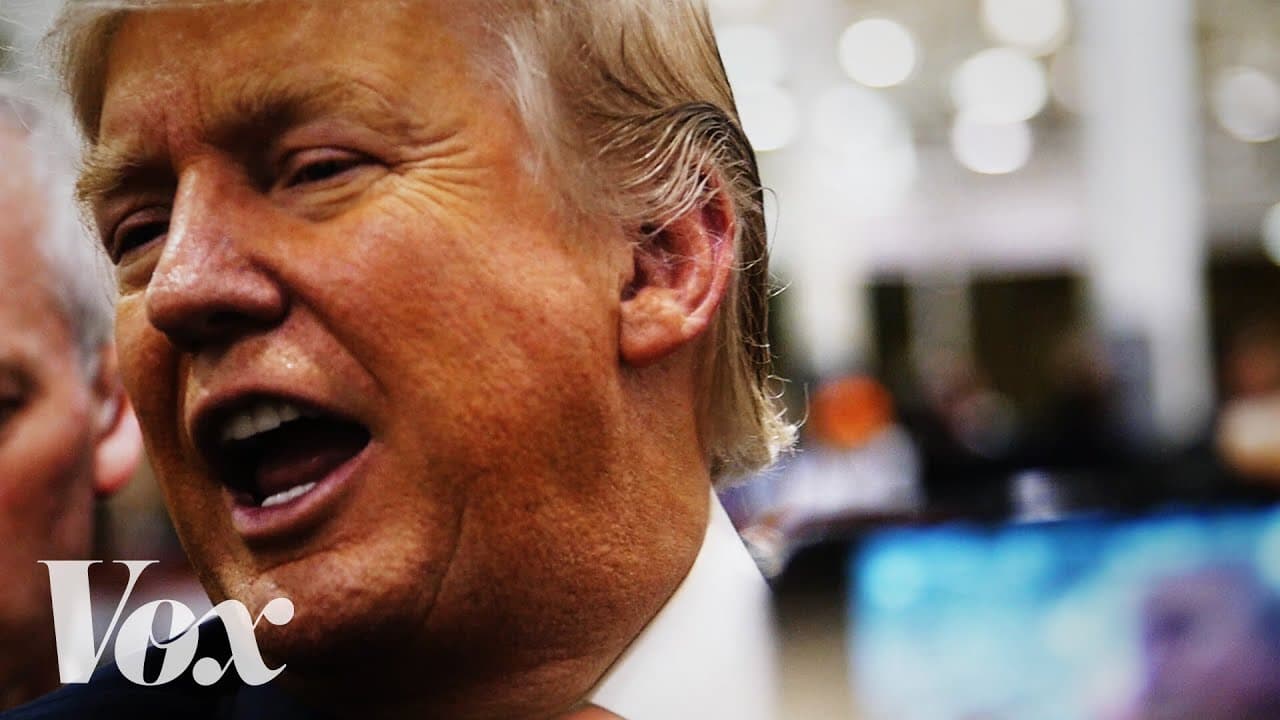
If you’ve been watching the 2016 campaign, you know that Donald Trump has been saying increasingly extreme things about Muslim people. A complete and total shutdown of Muslims entering the United States. But his poll numbers seem to only go up. So i’m in Detroit on the way to Des Moines to go to a Trump rally and talk to supporters of his My conver... Read More
Key Insights
- Donald Trump's extreme statements about Muslims have increased his popularity among certain voter segments, highlighting underlying fears and prejudices.
- Trump supporters express concerns about national security, often conflating radical Islamic terrorism with the broader Muslim community.
- Fear and mistrust towards Muslims are widespread, with many Americans supporting measures like halting Muslim immigration for security reasons.
- Islamophobia has become more mainstream, with media figures and politicians echoing sentiments once considered fringe.
- The rhetoric surrounding Muslims often ignores the fact that Muslims are the primary victims of ISIS, and many oppose extremist ideologies.
- Historical parallels are drawn between current anti-Muslim sentiments and past discriminatory policies, such as Japanese internment during WWII.
- Despite FBI data showing most US terror attacks aren't by Muslims, Islamophobia persists and can aid extremist recruitment.
- Trump's proposals resonate with those who feel insecure and desire strong leadership that promises safety and protection.
Install to Summarize YouTube Videos and Get Transcripts
Explore YouTube Video Summarizer or Get YouTube Transcript Extractor
Questions & Answers
Q: What did Trump rally supporters say about Muslims and national security?
Several supporters described Muslims as a security problem and favored pausing entry or visas until newcomers could be vetted. Some acknowledged that not all Muslims were dangerous but argued that they could not distinguish the “good ones” from the “bad ones.”
Q: Why did Donald Trump’s proposed shutdown of Muslims appeal to some supporters?
The conversations pointed to pre-existing fear rather than simply a cult of personality around Trump. Supporters said they felt unsafe and wanted a leader who would secure the country, while one person described the proposal as a marketing ploy that was unlikely to pass.
Q: Does the transcript say Muslims carried out most terror attacks in America?
No. According to the FBI information cited in the transcript, most terror attacks in America were not carried out by Muslims. The transcript also says Muslims are the No. 1 victims of ISIS terror and that Muslim views of ISIS are overwhelmingly negative.
Q: How did mainstream media rhetoric contribute to Islamophobia?
The transcript says hate speech became more accepted in mainstream media as more terror attacks appeared in the news. It contrasts sweeping claims about Muslims with Reza Aslan’s warning against painting a religion of one and a half billion people with a single brush.
Q: Was anti-Muslim rhetoric limited to Donald Trump?
No. A rally attendee said Rand Paul proposed stopping people from 34 countries, while Jeb Bush and Ted Cruz called for accepting Syrian refugees only if they were Christian. The speaker concludes that the underlying Islamophobia extended beyond Trump himself.
Q: What harm from Islamophobia does the transcript describe?
The transcript reports more hate crimes than before 9/11 and describes threats and violence against Muslims. Examples include three Muslim students shot to death in Chapel Hill, armed demonstrators at a North Texas mosque, and victims being attacked after references to their heritage or ISIS.
Q: How can Islamophobia help extremist recruitment?
The transcript states that Islamophobia in the United States functions as a recruitment tool for extremists. It presents this as especially harmful because Muslims are described as ISIS’s leading victims and overwhelmingly opposed to the group.
Q: Why does the video compare proposed Muslim travel bans with Japanese internment?
The comparison shows that fear has previously supported the subjugation of groups considered different. A Trump supporter defended Japanese internment as protection, while Ronald Reagan’s quoted remarks note restitution for 60,000 surviving Japanese Americans among the 120,000 people relocated or detained; the speaker argues that opposition to similar bans is more fragile than many realize.
Summary & Key Takeaways
-
The video explores the deep-rooted nature of Islamophobia in America, highlighting how Donald Trump's rhetoric taps into existing fears and prejudices. Supporters often express concerns about national security, conflating radical Islamic terrorism with the broader Muslim community. This sentiment is not new, echoing past discriminatory policies like Japanese internment.
-
Despite FBI data showing most US terror attacks aren't by Muslims, Islamophobia persists, partly fueled by media and political figures. Trump's proposals resonate with Americans who feel insecure, desiring strong leadership promising safety. The video underscores the fragility of consensus against discriminatory policies.
-
Islamophobia is not solely a Trump phenomenon; it's ingrained in American society, with historical precedents and current media narratives reinforcing it. The video highlights the dangers of such rhetoric, noting that Muslims are often victims of terrorism themselves and that fear-based policies can aid extremist recruitment.
Read in Other Languages (beta)
Share This Summary 📚
Summarize YouTube Videos and Get Video Transcripts with 1-Click
Try YouTube Summary with ChatGPT & Claude or YouTube Transcript Generator
Explore More Summaries from Vox 📚


Summarize YouTube Videos and Get Video Transcripts with 1-Click
Try YouTube Summary with ChatGPT & Claude or YouTube Transcript Generator