What Should You Do If Your Parent Is a Narcissist?
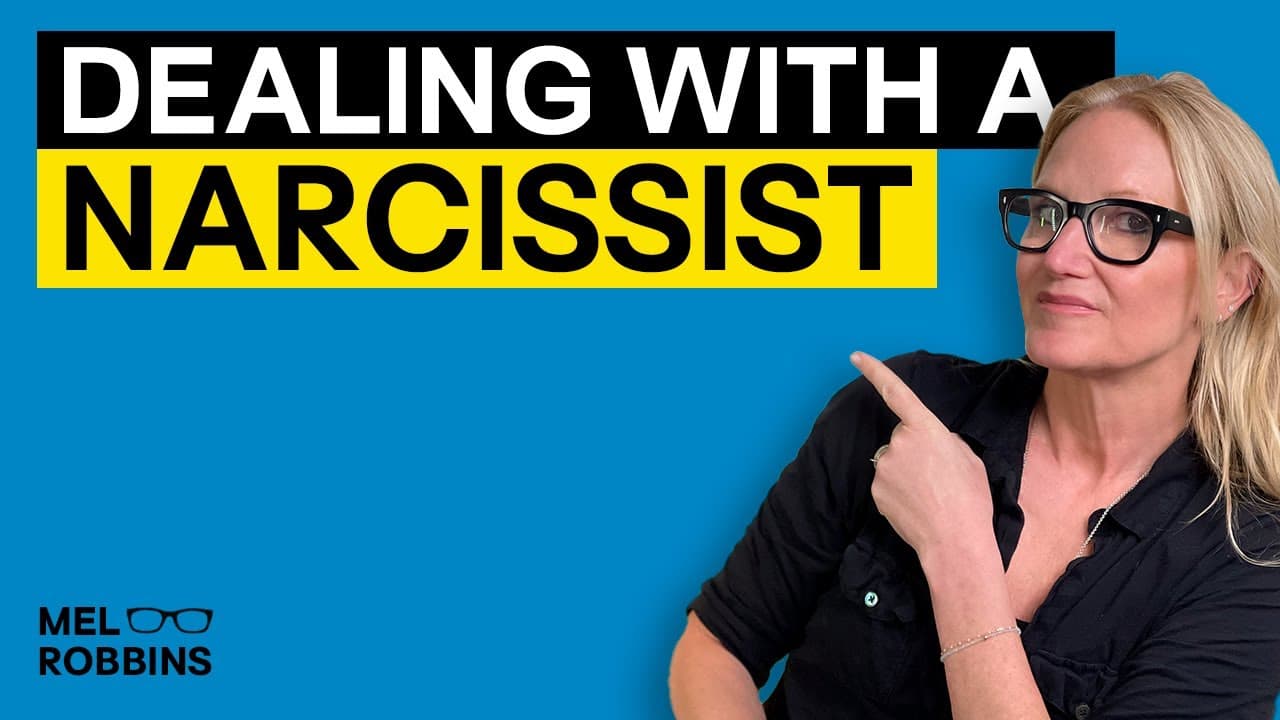
TL;DR
If you have a narcissistic parent, acknowledge that your needs were often dismissed, which has likely impacted your self-worth and autonomy. Establishing boundaries is crucial for healing, as is recognizing your emotions as valid. Over time, work on challenging negative self-talk to rebuild your sense of self and break free from the harmful patterns instilled by the narcissistic relationship.
Transcript
I don't know if anybody else listening is having the experience I'm having right now where I I have a pit in my stomach because I have at least one person very prominent person that I have in my mind in my life and I'm like check check check check check check somebody's talking at the table they're rolling their eyes at other people somebody leaves... Read More
Key Insights
- 👪 Narcissistic parents can have a damaging impact on a child's self-identity and sense of autonomy.
- 👪 The severity of narcissistic behavior in parents can determine the extent of the negative consequences for children.
- 👪 Children raised by narcissistic parents often experience feelings of being unseen, unheard, and self-blame as adults.
- 😨 It is crucial for individuals with narcissistic parents to establish boundaries and prioritize self-care in order to heal from the trauma.
- 🥶 Compassion and understanding towards oneself are essential in breaking free from the damaging effects of narcissistic parenting.
- 🪡 Recognizing that one's own needs and emotions are valid and deserve attention is a crucial step towards healing and personal growth.
- 💭 The process of reprogramming negative self-talk and beliefs involves challenging and replacing them with empowering thoughts and mantras.
- 🎙️ More videos with Mel Robbins:
Install to Summarize YouTube Videos and Get Transcripts
Explore YouTube Video Summarizer or Get YouTube Transcript Extractor
Questions & Answers
Q: What are some signs of narcissistic parents?
Some signs of narcissistic parents include a lack of empathy, entitlement, expectation of special treatment, and a tendency to devalue their child's needs.
Q: How does narcissism in parents affect children in adulthood?
Children of narcissistic parents may struggle with their sense of self, experiencing feelings of being unheard, unseen, and self-blame. They may also develop anxiety, self-doubt, and inaccurate self-appraisal.
Q: Can narcissistic parents exhibit different levels of behavior?
Yes, narcissism can exist on a continuum, with some parents displaying milder narcissistic traits and others exhibiting more severe behaviors. The impact on children can vary accordingly.
Q: Should you confront a narcissistic parent?
Confronting a narcissistic parent is generally not recommended, as it can lead to further conflict and potential emotional harm. It is more effective to focus on establishing boundaries and prioritizing self-care.
Summary & Key Takeaways
-
Children raised by narcissistic parents may experience a range of negative effects including a hijacked sense of self, low self-worth, and a lack of trust in oneself.
-
The impact of narcissistic parents can vary depending on the severity of their behavior, with more severe cases resulting in devastating consequences for a child's development.
-
Narcissism in parents can lead to feelings of being an extension of the parent, denial of the child's needs, and loss of autonomy and identity.
-
Parents with narcissistic tendencies can instill shame and guilt in their children, leading to anxiety, low self-esteem, and self-doubt in adulthood.
Read in Other Languages (beta)
Share This Summary 📚
Summarize YouTube Videos and Get Video Transcripts with 1-Click
Try YouTube Summary with ChatGPT & Claude or YouTube Transcript Generator
Explore More Summaries from Mel Robbins 📚




Summarize YouTube Videos and Get Video Transcripts with 1-Click
Try YouTube Summary with ChatGPT & Claude or YouTube Transcript Generator