The Forgotten Harrowing, Near Disaster Japanese Surrender Flight That Ended WWII
TL;DR
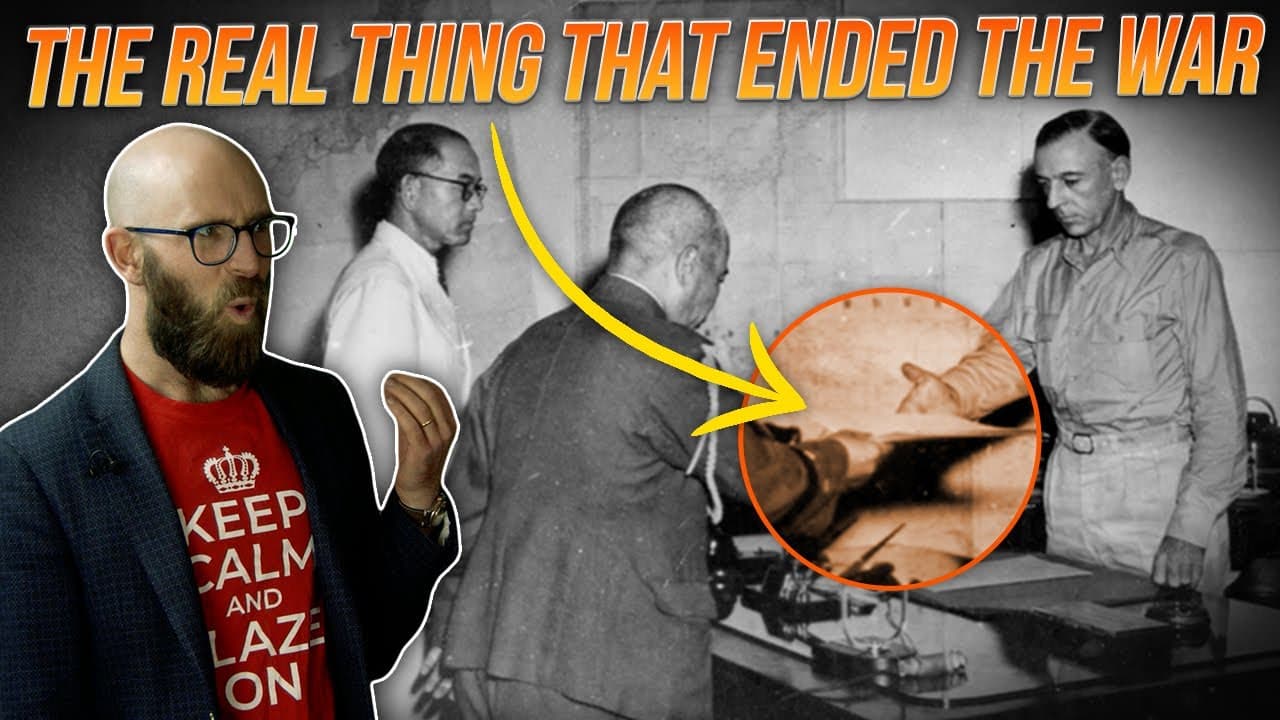
Japan’s surrender flight carried representatives through a dangerous journey to deliver the documents needed to complete the peace process. The aircraft risked attack from both Allied and Japanese forces, so it was painted white with green crosses and escorted by American fighters. Its success helped bridge Japan’s August 15, 1945 surrender announcement and the formal signing aboard USS Missouri on September 2. Read on for the events that nearly derailed that outcome.
Transcript
on September the 2nd 1945 hundreds of servicemen are representatives from every Ally Nation gathered on the deck of the battleship USS Missouri anchored in Tokyo bay under the watchful eye of general Douglas MacArthur Supreme Allied Commander in the Pacific representatives of the defeated Empire of Japan signed the formal instruments of surrender o... Read More
Key Insights
- 🉑 The Potsdam Conference aimed to convince Japan to accept unconditional surrender, but the initial rejection led to further events.
- 🫀 The atomic bombings of Hiroshima and Nagasaki were influential but may not have been the sole reason for Japan's surrender.
- 🏣 The Soviet Red Army's invasion of Japanese-occupied Manchuria impacted Japan's decision and led to the acceptance of Western allies' terms.
- 🏯 The fate of the Emperor and the Japanese monarchy played a significant role in Japan's acceptance of surrender terms.
- 😀 The surrender flight faced challenges and potential dangers but successfully delivered the surrender documents to Tokyo.
Install to Summarize YouTube Videos and Get Transcripts
Explore YouTube Video Summarizer or Get YouTube Transcript Extractor
Questions & Answers
Q: What happened during the Japanese surrender flight that helped end World War II?
Japanese representatives flew to Manila and then returned to Tokyo with the surrender documents required for the peace process. Their aircraft risked being shot down by Allied or Japanese forces, but recognition markings and an American fighter escort helped the mission succeed.
Q: How was the Japanese surrender aircraft protected from being shot down?
The aircraft was painted white with green crosses so both sides could recognize its special purpose. American fighters also escorted it during the dangerous surrender mission.
Q: When did Japan announce and formally sign its surrender?
Emperor Hirohito announced Japan’s acceptance of unconditional surrender on August 15, 1945. Japanese representatives signed the formal instruments of surrender aboard USS Missouri in Tokyo Bay on September 2, 1945.
Q: Why did Japan reject the Potsdam Declaration?
A major obstacle was uncertainty over the fate of the emperor and the Japanese monarchy. The Japanese public had also been fed misinformation about the war effort and Japan’s supposed superiority, while the government initially vowed to continue fighting.
Q: What terms did the Potsdam Declaration demand from Japan?
The declaration called for the unconditional surrender of all Japanese armed forces and adequate assurances of good faith. It also demanded the removal of militarist influence, punishment of war criminals, and the establishment of freedoms including speech, religion, and thought.
Q: Did the atomic bombings alone cause Japan to surrender?
The transcript says the traditional account credits the atomic bombings but notes that historians have challenged that explanation. It points out that the bombs were barely mentioned in Imperial War Cabinet minutes from August 6 through August 15 and presents the Soviet invasion of Manchuria as the more likely event that forced Japan’s hand.
Q: How did the Soviet invasion of Manchuria affect Japan’s surrender decision?
The Soviet Red Army invaded Japanese-occupied Manchuria on August 9, leaving Japan in an unwinnable war on two fronts. Japanese leaders then judged that surrendering to the Western Allies offered more favorable terms and a better chance of preserving the emperor’s position.
Q: What casualties were predicted for Operation Downfall?
Operation Downfall was the planned amphibious invasion of the Japanese home islands, for which 2 million Allied personnel were massing. Predicted casualties reached as high as 800,000 Allied servicemen and 10 million Japanese soldiers and civilians.
Summary & Key Takeaways
-
In July 1945, the Allied Nations met in Potsdam to discuss the post-war peace, but Japan refused to surrender.
-
The atomic bombings of Hiroshima and Nagasaki did not solely lead to Japan's surrender; the invasion of Japanese-occupied Manchuria by the Soviet Red Army was a crucial factor.
-
The Japanese emperor's announcement of unconditional surrender, along with a failed coup attempt, eventually led to Japan accepting the terms of surrender.
-
A delegation of Japanese representatives flew to Manila and then to Tokyo to deliver the surrender documents, and formal surrender ceremonies took place on September 2, 1945.
Read in Other Languages (beta)
Share This Summary 📚
Summarize YouTube Videos and Get Video Transcripts with 1-Click
Try YouTube Summary with ChatGPT & Claude or YouTube Transcript Generator
Explore More Summaries from Today I Found Out 📚




Summarize YouTube Videos and Get Video Transcripts with 1-Click
Try YouTube Summary with ChatGPT & Claude or YouTube Transcript Generator